Sébastien Pocognoli Emerges as Scotland's Next Head Coach
Scotland are closing in on their new man – and this time, the Scottish FA are breaking with tradition.
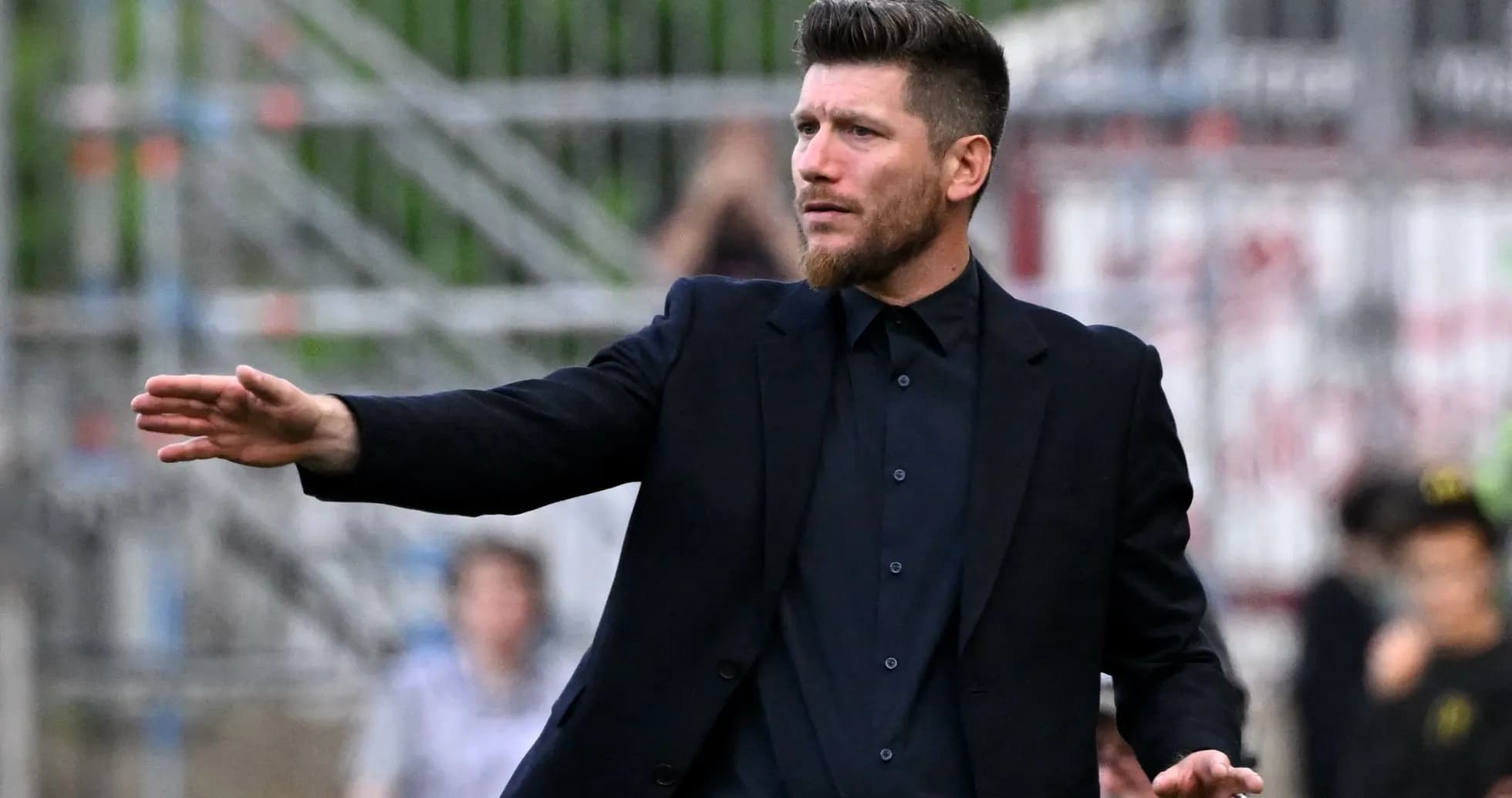
With the Steve Clarke era over after a flat group-stage exit at this summer’s World Cup, the search for a successor has quickly honed in on one name. According to Sky Sports, former Premier League defender Sébastien Pocognoli has emerged as the leading candidate, with the 39-year-old identified as the SFA’s preferred choice to jolt the national side into a new cycle.
This is not a gentle tweak. It is a change of direction.
Rather than turning to another domestic stalwart or a familiar British figure, the SFA are pushing for a younger coach with a sharp, modern tactical edge. Pocognoli, currently out of work, offers something rare in this market: a free agent with recent, high-level success and no compensation fee attached. That alone makes him an appealing option for a governing body eager to move quickly and decisively.
What has really captured attention in Glasgow, though, is his work in Belgium. Pocognoli’s coaching reputation exploded when he led Union Saint-Gilloise to a historic Belgian league title last year – their first in 90 years. That triumph did not come with the budget or squad depth of the country’s giants. It came through organisation, clarity of ideas and a team drilled to deliver consistent results across an entire season. European clubs took notice. So did national associations.
That success opened the door to Ligue 1 and a move to Monaco last October. Life in the principality proved more complicated. Monaco finished seventh in the French top flight and his spell ended this summer, but the experience of managing one of France’s most prestigious clubs has been framed as a positive by the SFA. Handling big personalities, operating under intense scrutiny, navigating European ambitions – all of it feeds into the profile of a coach they believe can handle the demands of international football.
For Scottish fans, Pocognoli is not an unknown quantity parachuted in from nowhere. His name will ring a bell from his playing days in England. The Belgian left-back turned out for West Bromwich Albion in the Premier League and Championship, learning first-hand the pace, physicality and relentlessness of British football.
He also spent a season on loan at Brighton & Hove Albion a decade ago. Those months on the south coast, combined with his time at The Hawthorns, gave him a close-up view of the culture, the expectations and the scrutiny that come with the British game. That background now blends with his recent tactical work on the continent, creating a profile that straddles both local familiarity and modern European thinking.
Across his playing career, Pocognoli amassed more than 300 domestic appearances and won 13 caps for Belgium. He has lived the international rhythm from the inside, even if this next step would be his first as a national team head coach.
If, as expected, the SFA complete the deal, his appointment will carry a slice of history. Pocognoli is set to become Scotland’s first foreign head coach since Berti Vogts, who held the role between 2002 and 2004. That comparison will be made often. The context, though, is very different: a younger coach, coming in off fresh club success, tasked with riding the wave of a generation that has already tasted tournament football and now must prove it can stay there.
The mandate is blunt. Restore momentum. Keep Scotland in the conversation when major tournaments roll around.
The brief laid out for the Belgian is clear: guide Scotland through consecutive qualification campaigns and secure a place at Euro 2028, then carry that progress into the 2030 World Cup. This is not a short-term fire-fighting job; it is a project built around back-to-back cycles, with the expectation that Scotland do more than simply arrive at tournaments – they must compete in them.
Clarke’s tenure ended with frustration but also with the sense that Scotland had rejoined the main stage. Pocognoli, if he takes the reins, will inherit a squad that knows the route to major finals. The question is whether his blend of Belgian precision, Ligue 1 experience and British know-how can push them one step further, from hopeful qualifiers to hardened regulars.