Salah Leads Egypt to Historic World Cup Victory Over New Zealand
For 92 years, the World Cup had been a stage of frustration for Egypt. Three tournaments, no wins, only the lingering sense of what might have been.
In Vancouver, Mohamed Salah tore that script up.
The 34-year-old scored one, created another and dragged his country to a 3-1 comeback victory over New Zealand – Egypt’s first-ever World Cup win, and a result that leaves the Pharaohs within touching distance of the knockout rounds.
It took a while. It often does with history.
New Zealand strike first, Egypt sleepwalk
For 45 minutes, Egypt looked like they were about to waste another chance on the global stage.
New Zealand were sharper, braver with the ball, and far more convincing in both boxes. Elijah Just forced a sharp save from Mostafa Shobeir at the near post on 14 minutes, a warning Egypt ignored. From the resulting corner, Finn Surman punished them.
Surman drifted free, untracked, and thumped his header in. Questionable marking, ruthless finish. 1-0, and fully deserved.
Egypt’s response? Almost nothing. The tempo was flat, the passing cautious, the movement predictable. Salah, stationed high and waiting for service, barely had a kick of note. When his moment did come, from the edge of the box on 35 minutes after a short free-kick from Omar Marmoush, he bent his shot wide of the left-hand post.
New Zealand, meanwhile, played with a calm authority. They dominated possession, probed the channels, and looked the more mature side. When Callum McCowatt’s looping header forced Shobeir into another alert stop early in the second half, the pattern seemed set.
Egypt were drifting towards another chapter of regret.
Hassan’s half-time jolt, and a different Egypt
Whatever Hossam Hassan said at the break, it bit.
Egypt emerged from the dressing room with a completely different edge. They pressed higher. They snapped into duels. They ran at New Zealand’s back line with conviction instead of caution.
The pressure started to tell. New Zealand, so composed in the first half, began to retreat. Each Egyptian attack pushed them five yards deeper, then five more.
Just before the hour, the dam broke.
Mohamed Hany found space on the right and clipped in a teasing cross. Mostafa Ziko, unmarked and hungry, rose and buried his header past Max Crocombe. Same type of goal as Surman’s, but this time at the other end. Egypt were level, and suddenly the stadium felt different.
New Zealand wobbled. Egypt sensed it.
Salah’s trademark finish, a record rewritten
The equaliser lit the fuse. The next move blew the game open.
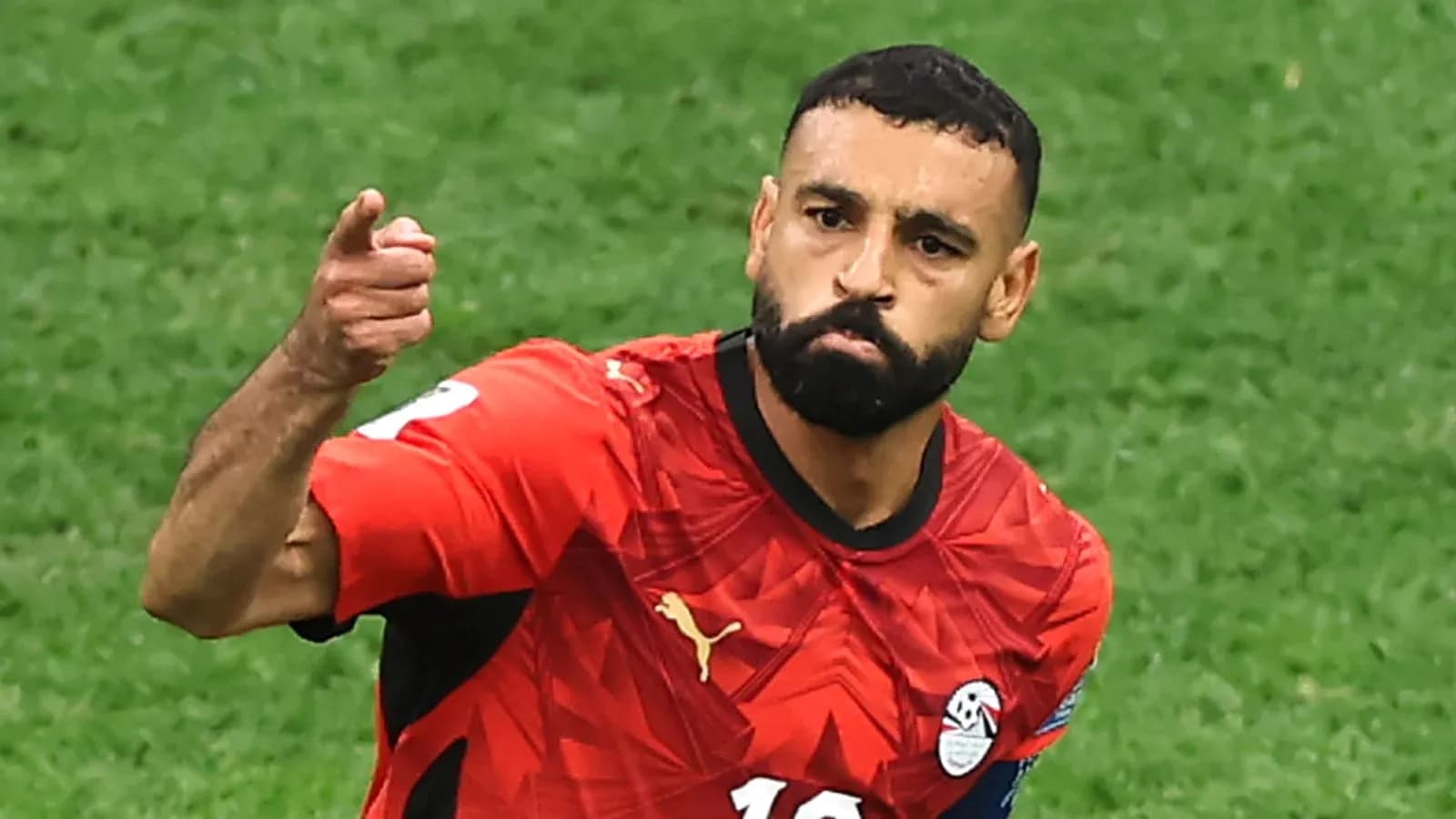
On 67 minutes, Egypt broke with pace. Ziko carried, combined, and then Salah did what he has done hundreds of times in club colours. The pair exchanged passes, the defence parted just enough, and Salah swept the ball home with that familiar, controlled whip of the left foot.
It was clinical, almost casual, but the weight of it was enormous.
That goal not only put Egypt in front for the first time in a World Cup match since 2018, it also rewrote their record books. At 34, Salah became Egypt’s oldest World Cup goalscorer. With his assist and goal in the same game, he also became the oldest African player on record to both score and assist in a World Cup match.
The numbers underline a broader truth: when Egypt reach this stage, Salah delivers. He scored in both of his appearances at the 2018 tournament, against Russia and Saudi Arabia. In 2026, he assisted against Belgium, and now he has dominated against New Zealand.
This World Cup has been billed as the tournament of superstars. On this evidence, Salah still belongs in that bracket.
Trezeguet seals it, Egypt dare to look ahead
New Zealand tried to respond, but their earlier fluency had gone. Egypt’s midfield snapped up second balls, their full-backs pushed on, and every counter-attack carried threat.
The killer blow came eight minutes from time.
Salah, now orchestrating from the right, delivered a corner that begged to be attacked. Substitute Trezeguet obliged, hurling himself at the ball and planting a diving header past Crocombe. From 1-0 down to 3-1 up, Egypt had turned anxiety into authority.
There was still time for one more chance. Deep into stoppage time, substitute Zizo rounded Crocombe and seemed certain to add a fourth, only to hesitate and see his effort blocked. It did not matter. The damage was done.
On the touchline, Darren Bazeley knew it. The New Zealand coach later called the result “disappointing,” reflecting on a first half where his side “dominated possession and created a lot of chances” but could not match Egypt’s raised tempo after the interval. Now, his team face a simple, brutal equation: they must beat Belgium to keep their own dream of making history alive.
A night that belongs to Salah – and to Egypt
When it was over, Salah tried to put it into words. He called the win “incredible” and “a great achievement for all the players, for the staff,” and spoke of writing history and being remembered in years to come. For once, the clichés felt earned.
Egypt have not qualified yet. The group still has work left in it, tension left in it. But the weight of that long, joyless World Cup record has finally lifted.
On a cool night in Vancouver, with one sweeping finish and a corner bent perfectly onto a team-mate’s head, Mohamed Salah didn’t just win a football match.
He changed the story of a nation at the World Cup – and hinted that this might only be the beginning.