Why Enzo Fernandez Commands Double Rodri's Value
The numbers look absurd at first glance. Barcelona believe they can prise Rodri away from Manchester City for around £60m. Chelsea, meanwhile, are staring down potential bidders for Enzo Fernandez and calmly asking for £120m.
How can the older, more decorated midfielder be worth half as much as the younger man at Stamford Bridge?
Strip away the noise and it comes down to three things: age, contract, and context.
Rodri: The Better Player, the Cheaper Deal
On the pitch, Rodri’s case is overwhelming.
He is a four-time Premier League champion with City and was named player of the tournament at the World Cup with Spain. His performances on the biggest stages have already placed him among the elite of his generation.
Even in a disrupted Premier League season last term, data from Gradient Sports shows Rodri outperformed Fernandez in five of six key midfield metrics. Passing, carrying, tackling – in the core tasks of a modern midfielder, the City man still comes out on top.
This is not a player in obvious decline. But the market does not reward sentiment or medals. It prices the future, not the past.
Rodri turned 30 at the start of the summer. That single detail drops him into a very different bracket.
Looking across current Premier League midfielders who have at some point hit a Transfermarkt value of £35m or more, the trend is clear: values typically peak around 27, then start to slide as players move towards their 30s. Clubs know they are buying fewer prime years and, crucially, a weaker resale position.
Rodri is unusual. According to Transfermarkt, his valuation peaked later than most, at 28, the year he lifted the Ballon d'Or. But from there, the graph falls off a cliff – from £111.1m to £47m.
He is still outstanding. The market simply thinks his best financial years are already behind him.
Enzo Fernandez: Paying for Tomorrow, Not Yesterday
Enzo Fernandez sits at the opposite end of that curve.
At 25, he is heading into what should be his peak period. Transfermarkt currently lists his value at £85.5m, the highest of his career so far and firmly in line with that broader age trend.
He does not yet match Rodri’s level of performance, short or long term. The data is blunt about that. But in the valuation models that underpin modern recruitment, Enzo wins where it matters most: projected prime years and time left under contract.
And that is where the gap really opens up.
Contract Length: The Silent Multiplier
Rodri is walking into the final year of his Manchester City deal. If he stays and does not renew, City risk losing him for nothing next summer. Every club in Europe knows it. That weakens City’s hand and drags down his market value.
Fernandez, in contrast, is locked in. Chelsea have six years remaining on his contract. Six.
For any buying club, that means one thing: you will have to pay to change Chelsea’s mind.
The numbers across the league underline how powerful that contract runway is. Group current Premier League players by contract length and a stark pattern appears. Those with five or more years remaining – like Fernandez – carry an average value of £49.7m, according to Transfermarkt. Players with less than a year left – like Rodri – sit at just £7m on average.
And that is with contract length only partially factored into those valuations. In real negotiations, that leverage is even stronger. Clubs know that if a player is tied down for the long term, the selling side has no urgency to deal. So the fee rises.
The Data Behind the Price Tags
Strip the game down to profiles and numbers and two variables dominate: age and contract runway.
When Premier League player profiles are mapped against Transfermarkt values, those two factors emerge as the biggest drivers of price. Everything else feeds into them rather than replacing them.
Short and long-term form matters. So does club strength, measured here using Opta’s power rankings. Availability – minutes actually played – is another key input. They all move the needle.
But they do not move it as much as being 25 with six years left on your deal, versus 30 with one.
That is why, despite Rodri’s superior performance record, Enzo comes out ahead in the valuation models. He wins on age, on contract, and on availability.
Last season, Rodri played 1,515 of a possible 3,420 Premier League minutes. Fernandez logged 3,121. The Argentine’s relatively clean injury record helps too. Clubs are paying not just for talent but for the likelihood that talent will be on the pitch.
So when you ask why Fernandez is valued higher, the answer is simple: he is younger, tied down longer, and more consistently available. The market pays heavily for those three.
Context: A Market That Won’t Sit Still
Transfer values are not a neat science. They bend to the mood of the window.
Last summer, a shortage of top-level strikers sent centre-forward prices spiralling. This year, central midfield has taken its turn. Asking prices are being benchmarked against the most recent big deals.
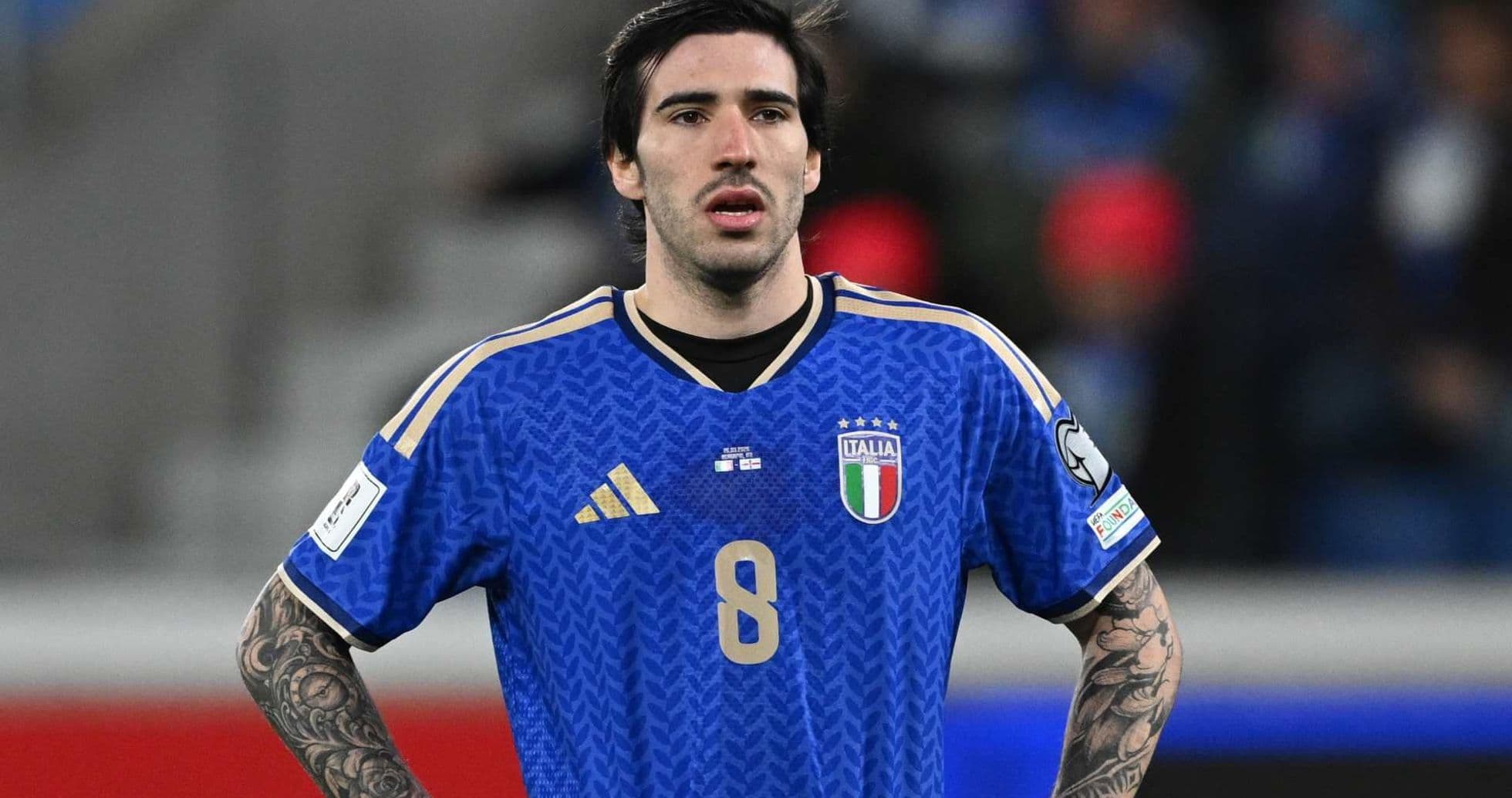
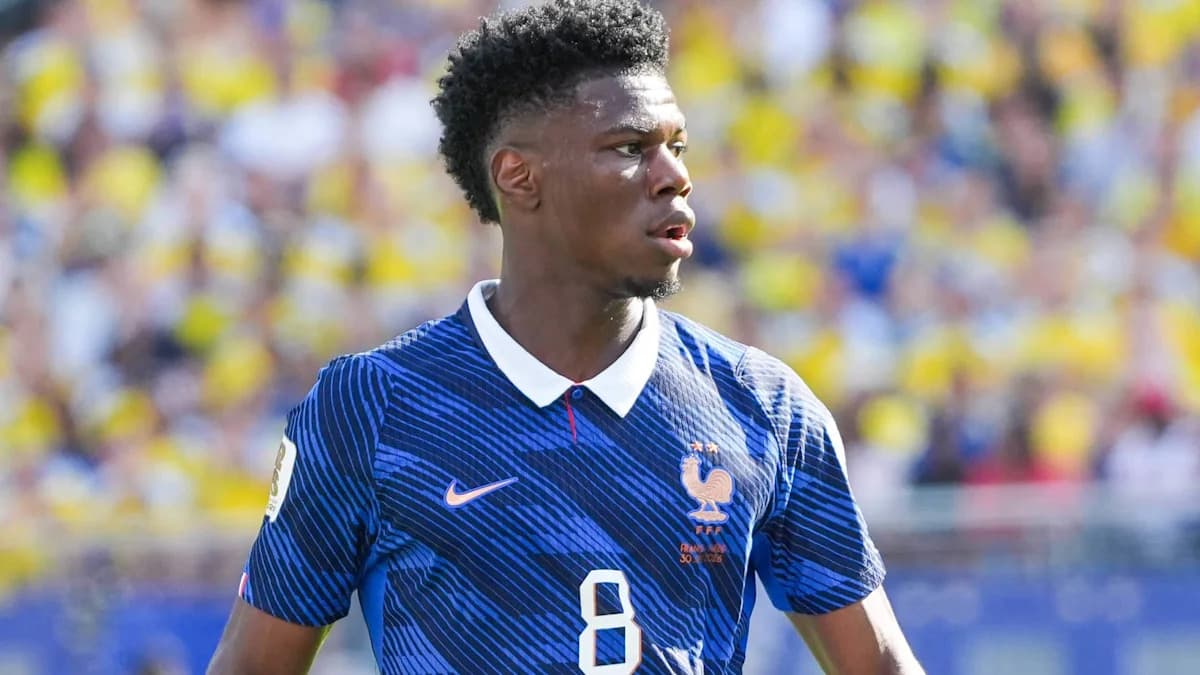
Chelsea know this. When they sit down to talk about Enzo, they are not just looking at his Transfermarkt page. They are looking at what Spurs, Manchester City and Arsenal have just paid for central midfielders: Mateus Fernandes at £85m, Sandro Tonali at £100m, Elliot Anderson at £116m, Bruno Guimaraes at £75m.
Those numbers form the backdrop to Chelsea’s stance. So they set their asking price at £120m for the Argentina international, well above his listed £85.5m valuation. The club are not being naive; they are following the market.
This is the snowball effect in action. Fees rise, new deals reset expectations, and the next negotiation starts from a higher base. Transfer costs have been climbing far faster than inflation, with the average price of a top-level signing jumping from £53.9m to £70.5m in just a year.
Premier League clubs are also prepared to pay a premium for players already adapted to the league’s intensity. Fernandez now ticks that box. Chelsea can argue that three years on from his £107m move from Benfica, he is more battle-hardened, more valuable, and playing in an even hotter market.
So yes, Rodri may still be the better midfielder. But the market is not paying for who has been the best. It is paying for who will be the best, for longest, under the tightest contract.
On that front, Enzo Fernandez is holding the stronger cards. The only question now is: who is willing to meet Chelsea’s price to play them?