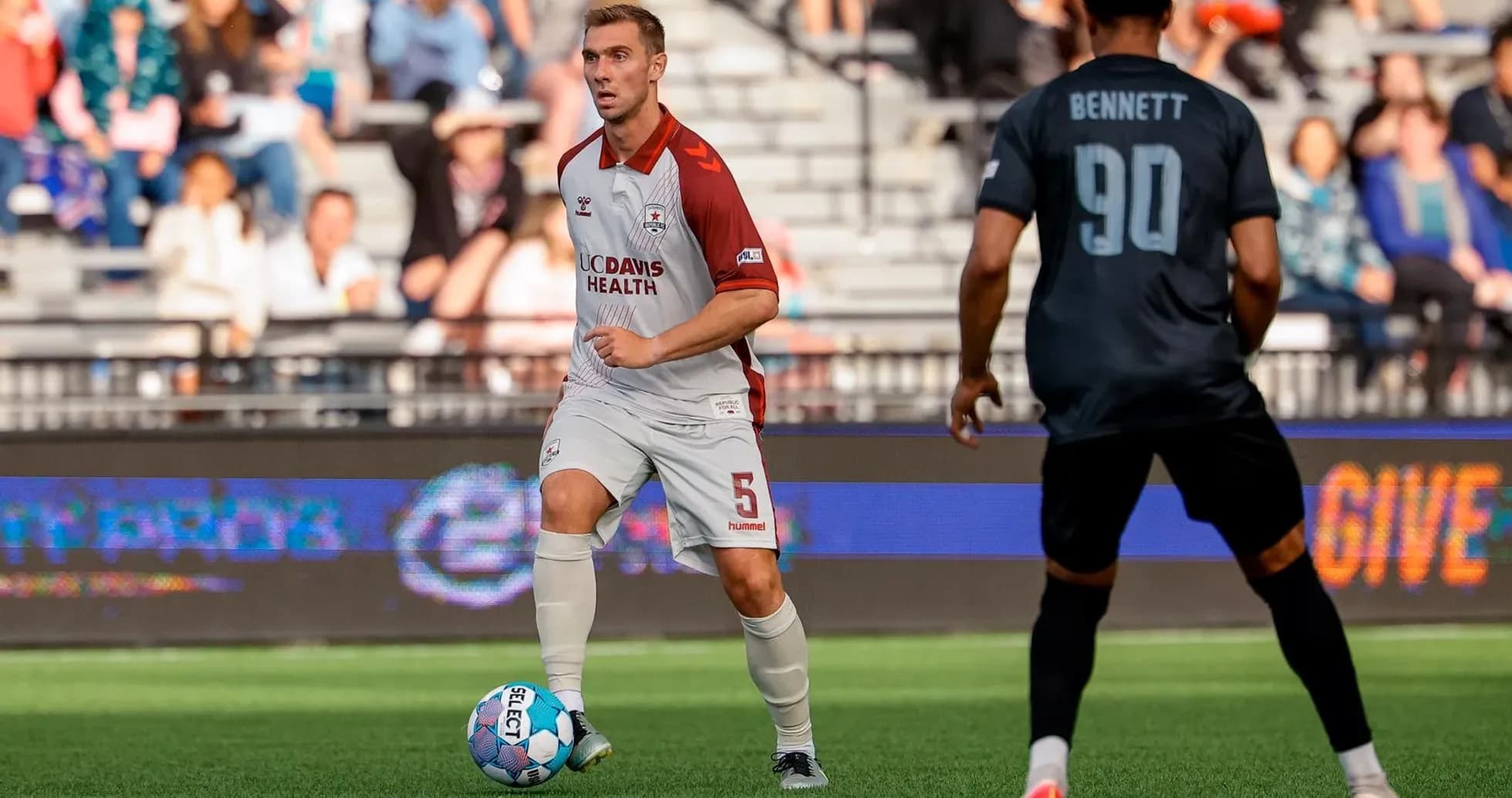
Sacramento Republic Defeats Colorado Springs in USL Championship
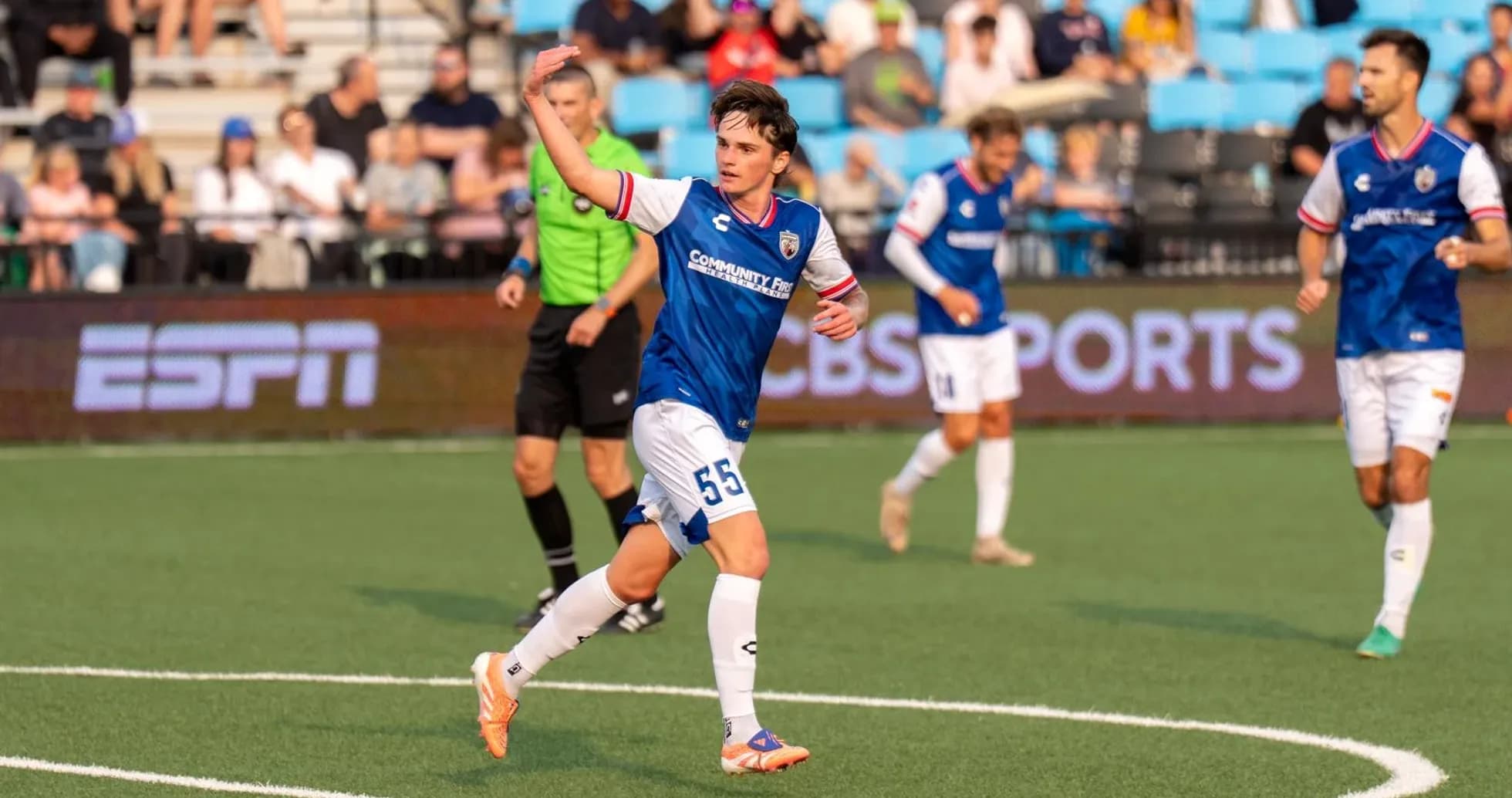
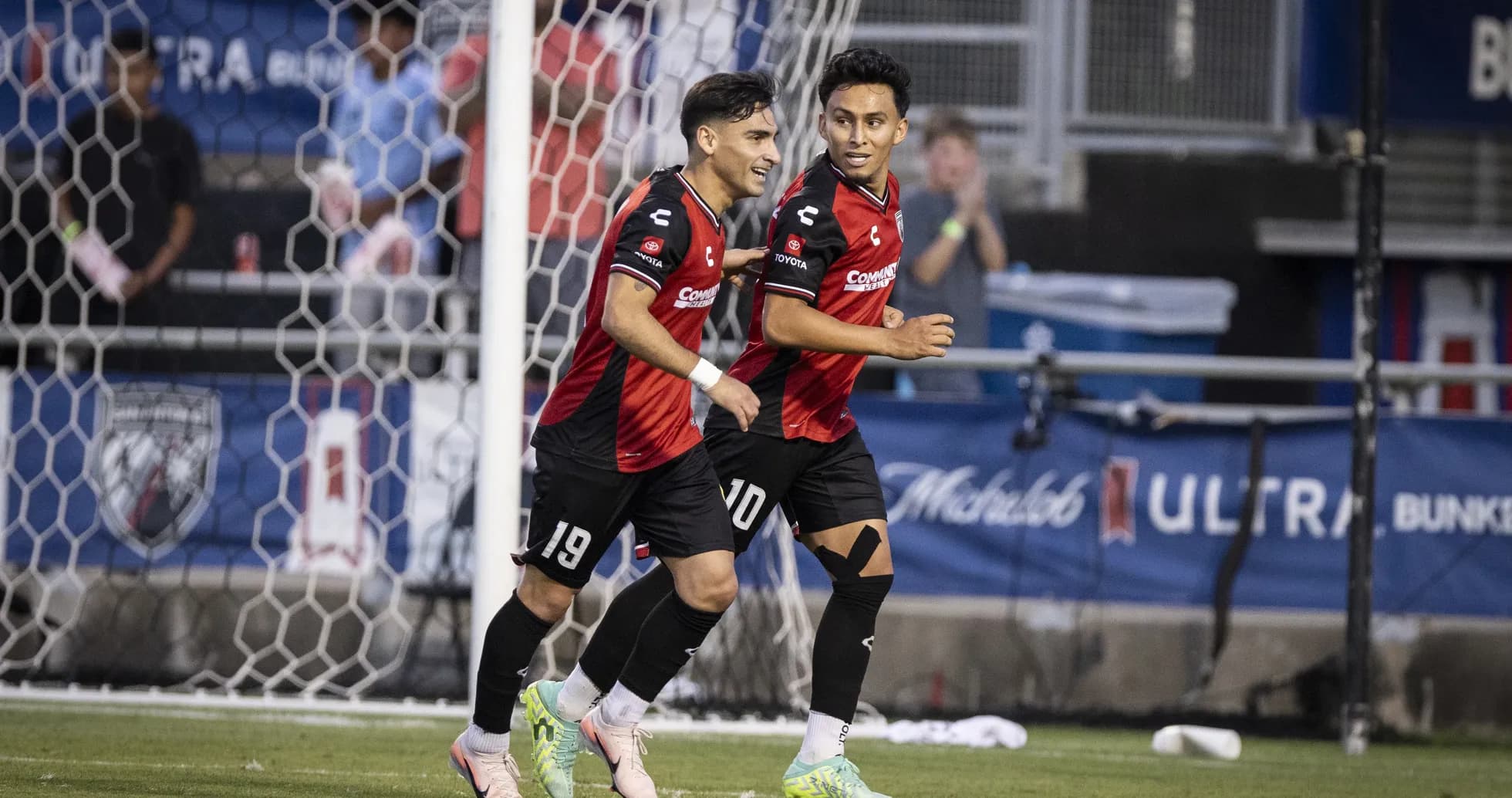
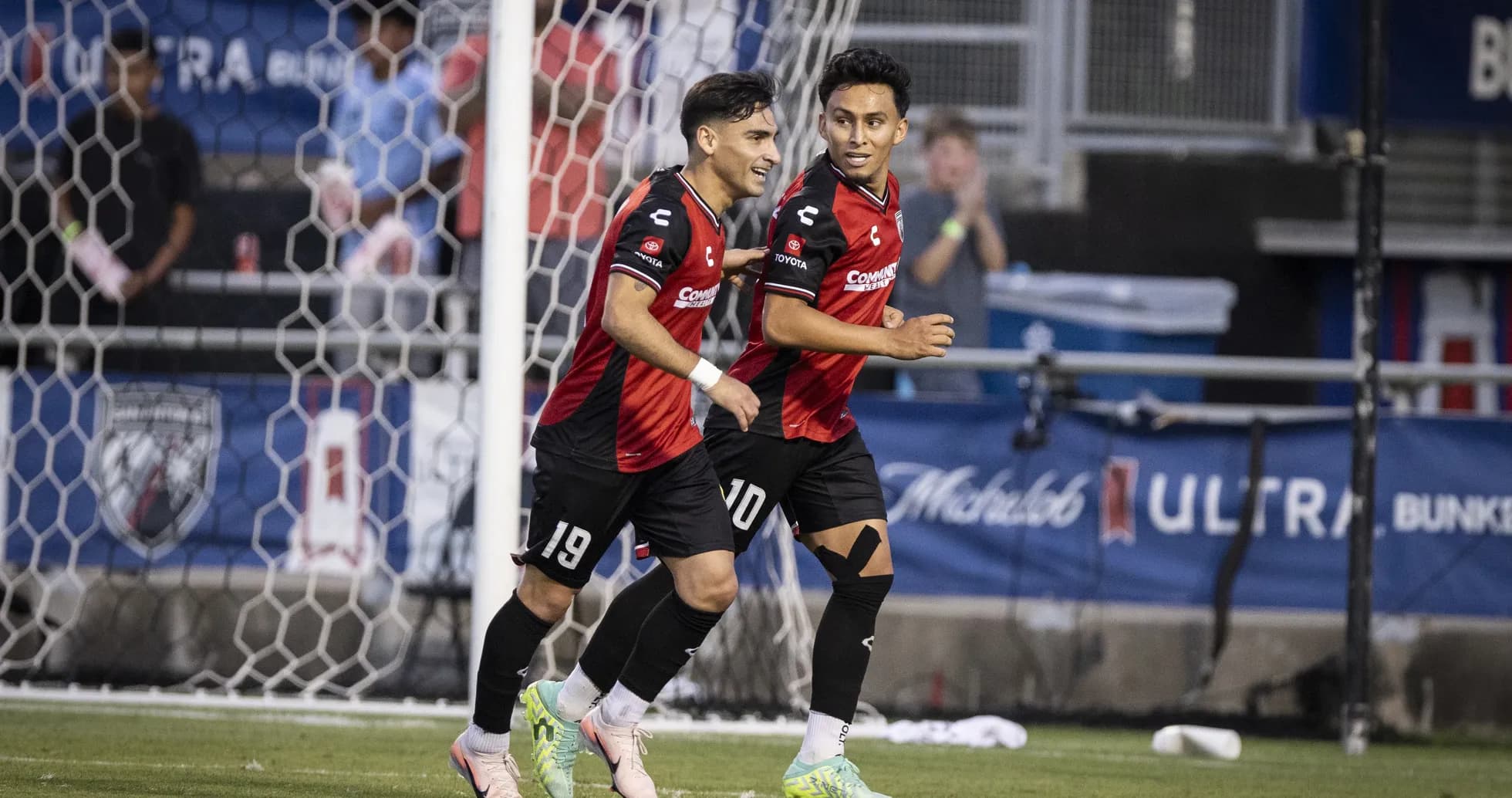
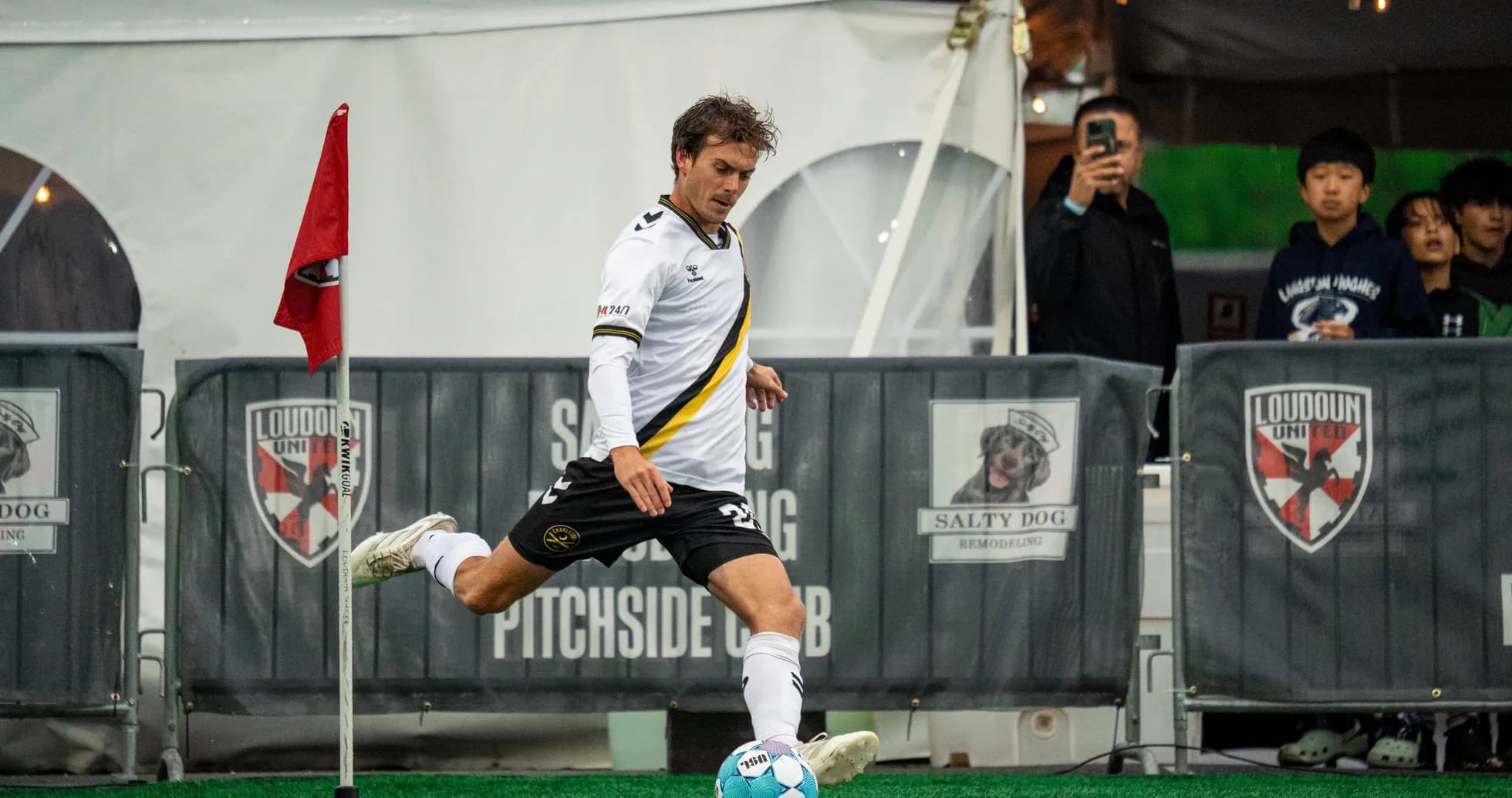
Under the lights at Weidner Field, Colorado Springs and Sacramento Republic met in a USL Championship Group Stage tie that felt like a litmus test of their early‑season identities. By full time, the scoreboard read 0–1, a narrow away win that neatly mirrored the broader arc of both campaigns: Colorado Springs vibrant but vulnerable, Sacramento disciplined and just efficient enough.
Heading into this game, the table framed the narrative. Colorado Springs sat 11th in USL 1 with 13 points from 11 matches, perfectly balanced on goal difference: 18 scored and 18 conceded overall. At home they had been more assertive, with 10 goals for and 7 against across 5 matches, averaging 2.0 goals for and 1.4 against at Weidner Field. Sacramento arrived as the more stable outfit in 5th, on 16 points from 11, with a total goal difference of +2 (13 for, 11 against). On their travels they were cautious and compact: 4 goals scored and 6 conceded in 6 away fixtures, an away average of just 0.7 goals for and 1.0 against.
The final 0–1 away win fit those profiles almost too neatly. Sacramento leaned into their away persona: low‑margin, low‑risk football, trusting their structure and a back line that concedes only 1.0 goals on average both home and away. Colorado Springs, by contrast, could not summon the attacking fluency that usually brings those 2.0 home goals; instead, their season‑long defensive fragility resurfaced, as a single lapse made the difference.
Alan McCann’s selection for Colorado Springs offered a blend of energy and industry. C. Shutler took his place in goal, shielded by a defensive group built around P. Burner, T. Maples, and the experienced M. Mahoney, with A. Rocha providing balance from the back. In front of them, S. Williams anchored the central lanes, flanked by the dynamism of S. Masereka and T. Magee. In the attacking band, B. Creek and the elusive Y. Hanya were tasked with linking into the direct threat of K. Bennett, whose presence hinted at a vertical, transition‑minded approach.
On the bench, McCann had alternative profiles ready: the creativity of A. Perez, the running of J. Tejada and J. Fjeldberg, and defensive cover in K. Kiingi and D. Valenti. It was a squad designed to change the rhythm late, but the match never quite tilted in their favour.
Opposite, Neill Collins’ Sacramento Republic looked every inch a structured playoff contender. D. Vitiello started in goal, the calming reference point behind a back line of J. Gurr, J. Timmer, L. Desmond, and M. Benitez. That quartet underpins Sacramento’s defensive record: only 11 goals conceded overall in 11 matches, with just 6 on their travels.
The midfield “engine room” was built around the balance of D. Crisostomo and M. Kaye, with T. Wolff and M. Rodriguez operating between lines and D. Wanner offering vertical thrust. Up top, K. Edwards gave Collins a mobile focal point, capable of stretching the pitch and pinning Colorado’s centre‑backs.
The bench options underlined Sacramento’s depth. Attackers like J. Moya, A. Rodriguez, M. Malango, F. Ajago, and C. Ukaegbu offered a range of profiles to either chase or protect a result, while R. Spaulding and B. Willey could lock down wide spaces if the game turned into a siege.
Tactically, the decisive battleground was always going to be Colorado Springs’ high‑risk, high‑reward attacking posture at home versus Sacramento’s compact defensive block. Colorado’s season numbers told of a side that embraces chaos: 18 goals for and 18 against overall, with only 1 clean sheet in total and 3 matches in which they failed to score. Their home record suggested they could hurt anyone, but their goals‑against average of 1.6 overall left them permanently on a knife‑edge.
Sacramento, by contrast, thrives on control. They had already posted 4 clean sheets overall, including 2 away, and had failed to score just twice all season. That combination of defensive assurance and just‑enough attacking output is precisely the profile that travels well in tight fixtures like this.
Discipline also played a subtle role in shaping the tone. Colorado Springs’ yellow‑card distribution is spread across the 90 minutes, but notably they show a spike between 46–60 minutes at 20.00%, hinting at a tendency to overreach as they chase control after half time. Sacramento’s card profile is more concentrated: 29.03% of their yellows arrive between 31–45 minutes, and 25.81% between 76–90 minutes, a pattern of late‑half aggression that can both disrupt opponents and flirt with danger. Neither side had seen a red card in the league heading into this match, which aligned with the relatively controlled, tactical contest that unfolded.
In the “Hunter vs Shield” duel, Colorado Springs’ home attack (2.0 goals on average) met Sacramento’s away defence (1.0 conceded on average). Over 90 minutes, the Shield won: Sacramento held firm, Vitiello and his back line absorbing pressure and restricting Colorado’s forward line to half‑chances. Shutler, for his part, was largely solid, but the single Sacramento breakthrough was enough to tilt the night.
In midfield, the “Engine Room” matchup between Colorado’s S. Williams and the Sacramento pairing of Crisostomo and Kaye quietly defined the game’s rhythm. Sacramento’s double pivot controlled second balls and tempo, starving Colorado’s front three of the quick, vertical service they usually rely on at home. Without consistent access to Hanya and Bennett between the lines and in behind, Colorado’s attack became more predictable, easier for Desmond and Timmer to manage.
Following this result, the statistical prognosis for both squads sharpens. Colorado Springs remain an entertaining but unstable side: capable of scoring in bursts at home, but still conceding at a rate (1.6 overall) that leaves little margin for error. Sacramento consolidate their identity as a playoff‑calibre unit built on defensive solidity, with that away average of 1.0 goals against again translating into points.
In a match where Expected Goals would almost certainly underline fine margins rather than dominance, Sacramento’s capacity to manage risk and win the key duels in both boxes proved decisive. For Colorado Springs, the path forward is clear: preserve the attacking ambition that makes Weidner Field a difficult venue, but tighten the structures around Shutler and Williams so that narrow nights like this do not keep slipping away.