Ronaldo and Modric: A Legacy of Rivalry and Partnership
Can you remember what you were doing on 1 March 2006?
You might have been at Anfield, watching England edge Uruguay 2-1. Maybe you were at Hampden Park, seeing Switzerland put three past Scotland. Or you were somewhere in front of a television as Luka Modric quietly stepped into international football for the first time, helping Croatia beat Argentina 3-2 while a young Lionel Messi scored his first goal for his country.
That same evening, Cristiano Ronaldo struck twice in a 3-0 win for Portugal over Saudi Arabia, a night when the idea of one day living and working in that country would have sounded like a distant fantasy.
Messi and Ronaldo have owned the conversation ever since. Their rivalry has shaped an era, swallowed headlines, redefined numbers. Through it all, Modric has been there too – not with the same noise, not with the same goal tallies, but with a different kind of authority. Metronomic. Relentless. Passing more often than scoring, but always present, always central.
They now sit in one of football’s most exclusive clubs. Only four men in history have reached 200 international caps. Ronaldo, Modric, Messi and one more name for the purists to argue over in pubs and living rooms.
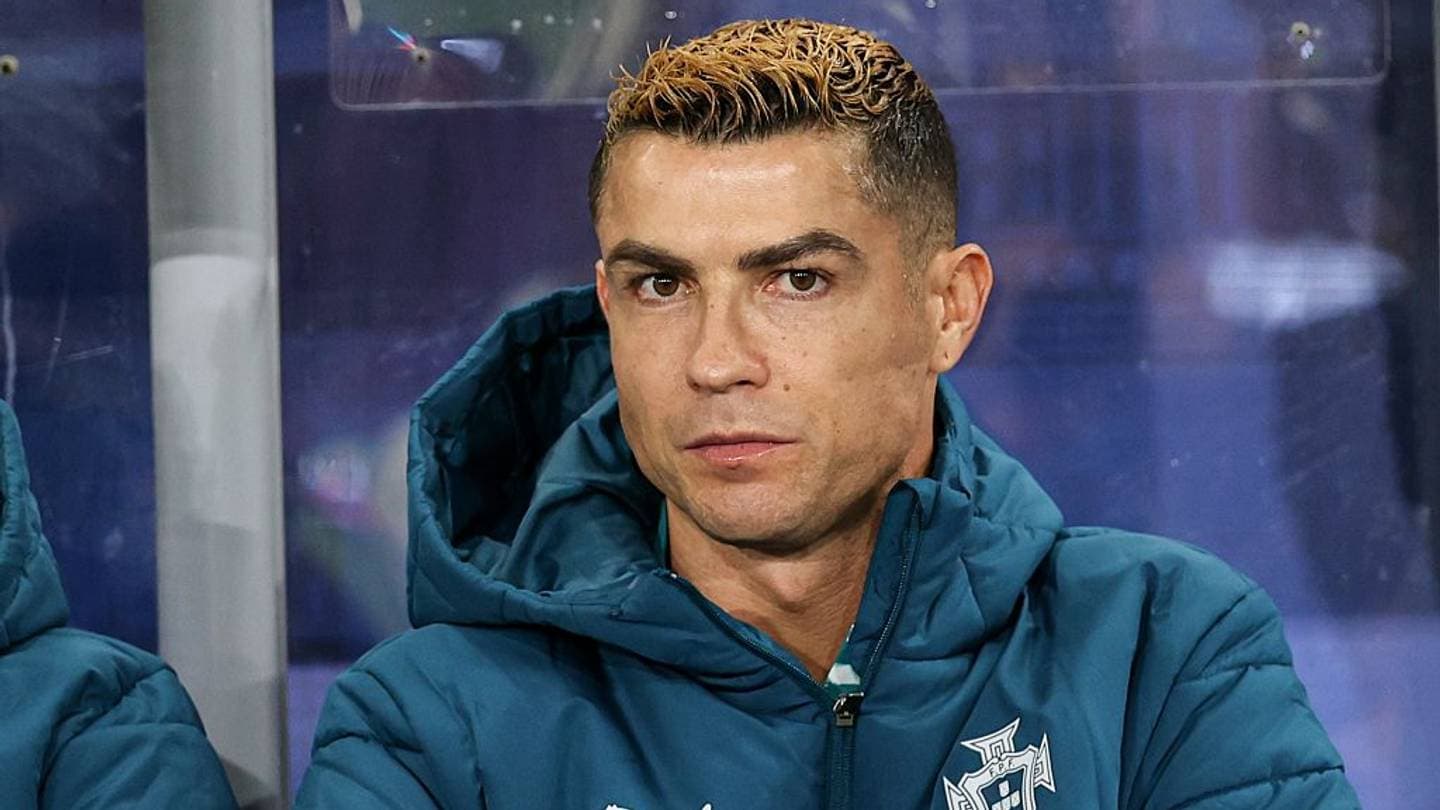
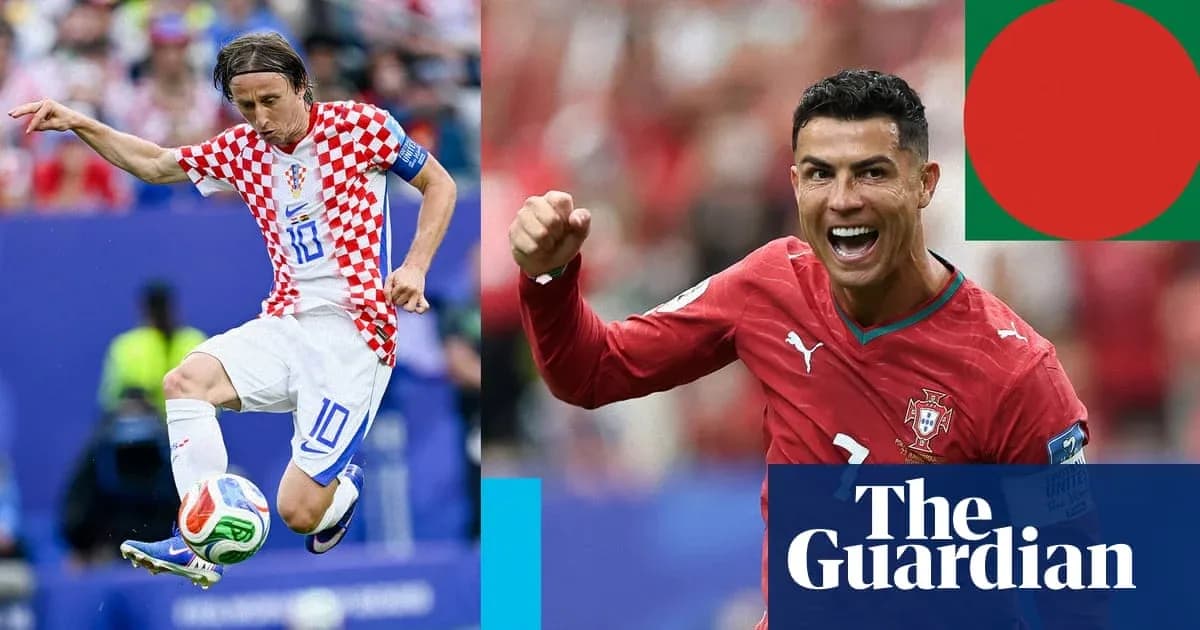
Ronaldo, now 41, and Modric, 40, are about to stretch those numbers again. When Portugal meet Croatia in the last 32 of the World Cup, Ronaldo will step out for his 232nd cap, Modric for his 202nd. Two men, two nations, two careers that have run side by side for two decades, about to share a pitch perhaps for the final time.
It feels like a curtain call.
Their commitment to international football has never really dipped. When Modric made his debut for Croatia back in 2006, Ronaldo already had 29 caps. More than 20 years on, the gap has grown by just one. That tells its own story. Whenever the phone rang, whenever a tournament loomed or a qualifier needed grinding out, both answered. No extended sabbaticals. No carefully managed absences. Just a steady, almost parallel march towards the 200 mark and beyond.
Their paths first crossed in England in 2008‑09. Modric, the elegant new arrival at Tottenham. Ronaldo, the reigning force at Manchester United. At Wembley in the Carling Cup final, they both played the full 120 minutes, both walked away with a performance rating of 7, and United edged the trophy on penalties. It was a snapshot of what would follow: Modric probing, Ronaldo exploding, one trying to control the tempo, the other trying to rip it apart.
Soon their rivalry shifted to Europe. By the time they met again in the quarter-finals of the 2010‑11 Champions League, Ronaldo had moved to Real Madrid. Modric was still the heartbeat of Spurs. Madrid won that tie, as they so often would in the years to come, and a seed was planted. The Croatian who had tried to stop Ronaldo would soon be the man feeding him.
When Modric arrived at the Bernabéu, the relationship changed completely. For six seasons, they wore the same white shirt and bent games to their will. Four Champions League titles together. Semi-finals in the other two campaigns. An era defined by Madrid’s dominance and underpinned by the understanding between the playmaker and the finisher.
If there was a single moment that captured their shared peak, it came in Cardiff in 2017. Juventus were threatening, the final still alive, tension thick in the air. Modric darted to the byline on the right, cut the ball back with precision, and Ronaldo did what Ronaldo does. 3-1 to Madrid. A final tipped decisively their way with a move they had rehearsed in training a thousand times.
That was one of 222 matches in which they shared a pitch. No central midfielder has played alongside Ronaldo more often than Modric. It is a statistic that speaks to trust and to time. To a partnership built not on friendship slogans but on repeated, ruthless success.
Now they meet again, but in different colours, at the far end of their journeys. Ronaldo still chasing goals, still stretching records. Modric still dictating rhythm, still seeing angles others miss. Two icons who started that night in 2006, when Messi first scored for Argentina and the football world was still taking shape around them.
They have spent a generation shaping it. How many more nights do they have left together?