Rodri's Impact on Barcelona's Midfield
Rodri didn’t ease his way into Barcelona. He jumped straight into the chaos and started organising it.
Barely a week after his unveiling, with only a handful of training sessions behind him, the former Manchester City midfielder pulled on the shirt for the first time against Athletic Bilbao and immediately began to bend the game to his will.
He came on in the 62nd minute. The stadium reaction said everything. The roar was the kind usually reserved for long‑established idols, not for a new signing still learning names in the dressing room. His first act? Not a safe sideways pass. A towering leap in midfield to cut out an aerial ball and win back possession.
That single action set the tone: this was a player arriving to take charge, not to blend in.
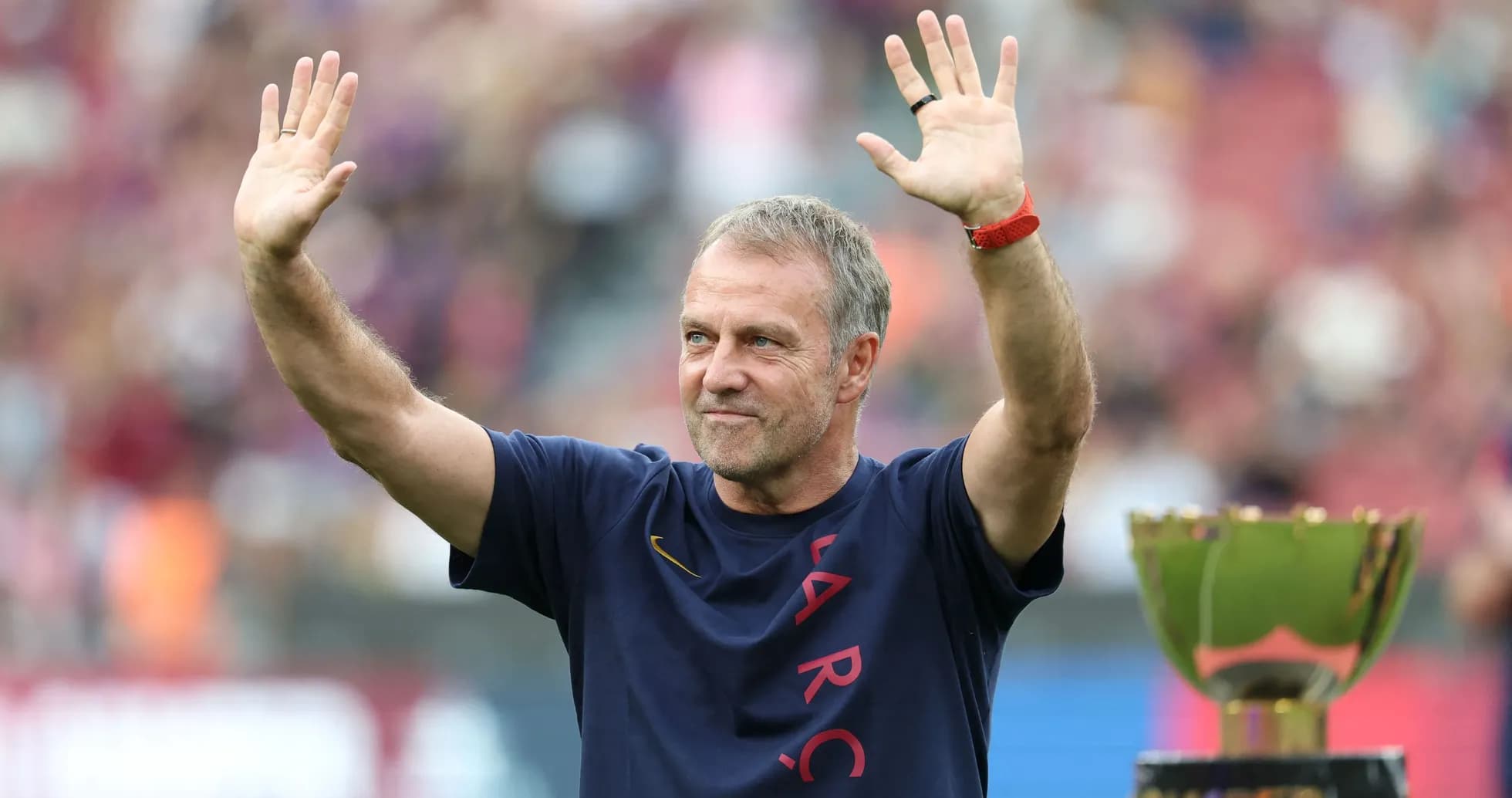
Hansi Flick has already called him a “natural leader”, and within minutes the label made sense. Rodri planted himself at the base of the midfield and the whole team began to pivot around him. His stature, his calm, his angles of support – all of it dragged Barcelona into a more controlled, more authoritative version of themselves.
He looked like a throwback to the classic midfield generals the club has always cherished, yet his impact was very much of the present. Teammates, especially those around him in the middle of the pitch, seemed to grow a little taller. Passes became sharper. Distances between the lines tightened.
Flick's Tactical Shift
Flick responded by reshaping the structure. Instead of the usual double pivot, he trusted Rodri alone at the base, flanked by Pedri, Fermin Lopez and Dani Olmo. Barcelona built from a 4-3-3 with a single holding midfielder, and Rodri became the first and often only receiver needed to pierce Bilbao’s lines.
The effect was immediate. Pedri pushed higher almost instinctively, operating closer to the final third. Fermin Lopez and Olmo rotated intelligently, swapping lanes and dragging markers out of position. Out wide, Adama and Lamine Yamal stretched the pitch, pinning the full-backs and opening corridors inside.
The pressure finally broke Bilbao with a move that summed up the new structure. Barcelona circulated the ball patiently, then snapped into a higher tempo the moment it reached Adama on the flank. His cross caused panic. Aymeric Laporte misjudged it badly, and Fermin Lopez punished the error ruthlessly, sweeping in his third goal of the season.
It should have been more. Only Unai Simon’s outstanding performance kept the scoreline respectable for the visitors. Barcelona still walked away with just two goals, but once again looked like an attacking machine capable of overwhelming opponents in waves.
What makes that all the more striking is the absence of a traditional No 9. Two of Barça’s opening league matches this season already sit among their top five games for expected goals in La Liga since Flick took over. The numbers underline what the eyes see: this is a side creating chances at volume and with real quality, even without a recognised out-and-out striker.
Collective Vision
Flick’s idea is clear. Goals must be shared, responsibility spread. Rodri’s arrival reinforces that collective vision. His presence allows others to attack with more freedom, knowing the balance behind them is secure. Raphinha has stepped into the central scoring role and already has three to his name, but the blueprint demands that threats emerge from everywhere.
Rodri’s influence isn’t limited to the attacking phase. His understanding with Pau Cubarsi, honed with Spain, transferred smoothly to club level. Their connection helped Barcelona keep their structure intact, their distances compact and their box protected. Two games, two clean sheets: a small sample, but exactly the kind of platform Flick has been demanding.
The coach has been relentless about one theme since pre-season – control. Control of tempo, of territory, of transitions. With Rodri on the pitch, that ambition suddenly looks a lot more realistic. Barcelona can now keep the ball for long stretches without needing Pedri constantly dropping deep to knit moves together.
“Everyone is happy that Rodri is playing with us. He is the perfect player for us and for our style,” Flick said after the win.
On this evidence, it didn’t sound like flattery. It sounded like a plan falling into place.
One brief cameo was enough to change the feel of Barcelona’s midfield. The question now is not whether Rodri fits this team, but how far this team can go with him dictating from the centre of the storm.