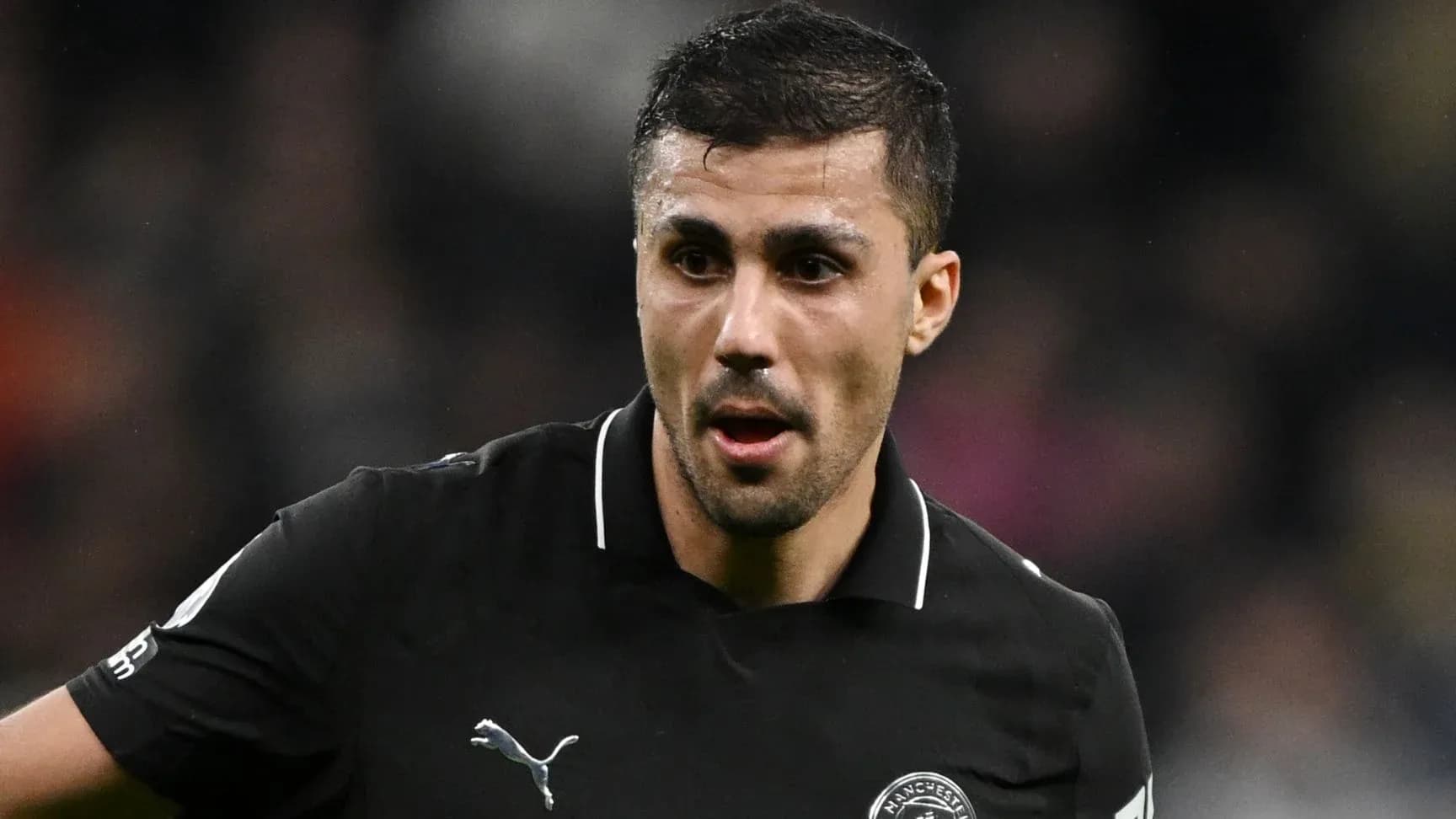
Rodri's Journey: From Real Madrid Dreams to Barcelona's Embrace
Rodri’s long wait for Real Madrid never paid off. Twice.
Back in his Atlético Madrid days, the Spanish midfielder stretched the clock to its limit, holding off on a decision in the hope that the call from the Bernabéu would finally come. It never did. With Toni Kroos, Luka Modric and Casemiro ruling Real Madrid’s midfield, the club saw no need to move. Rodri then triggered his release clause and walked into Pep Guardiola’s Manchester City project instead.
That choice changed everything. Under Guardiola, Rodri evolved from promising pivot to arguably the most complete holding midfielder in the game. The report from Marca describes that move as the decisive turning point of his career, the moment that unlocked his full potential.
Years later, the story circled back.
This summer, a section of Real Madrid’s fanbase pushed hard for Rodri. The timing looked perfect: an extraordinary World Cup behind him, Guardiola gone from Manchester City, and only one year left on his contract. For once, the door seemed open. Inside Valdebebas, though, doubts lingered.
According to Marca, the club’s hierarchy were slow to be convinced. Rodri’s World Cup numbers were staggering – no player had ever completed more passes in a single edition of the tournament, and he did it with a success rate above 93%. On paper, it was the profile of a metronome Madrid could build around.
Inside the club, a different line kept being repeated.
“Rodri slows the pace of the ball down too much, and that is not what we are looking for.”
That phrase, Marca reports, bounced around Real Madrid’s offices. The feeling among decision-makers was clear: they wanted a more explosive, more powerful, more vertical midfielder. Someone to drive games, not just control them. Even with his World Cup record, Rodri did not quite fit the template they had drawn up.
Florentino Pérez and José Ángel Sánchez still picked up the phone. They spoke with the player, tested the ground, explored the possibility. But the talks never moved into the decisive phase that usually characterises a major Real Madrid operation. There was interest, not a full-scale offensive.
Barcelona chose a very different route.
Where Madrid hesitated, Barça pushed. Hard. Deco led the charge, with president Joan Laporta and coach Hansi Flick all making direct contact. Several senior players joined in, calling, messaging, making it abundantly clear how badly the dressing room wanted him at the heart of their midfield.
This was not a case of one club blowing the other away financially. Marca is explicit: the offers from Real Madrid and Barcelona sat very close in economic terms. The difference lay elsewhere.
Rodri looked at the sporting projects. Barcelona offered something that felt familiar. A game model close to Spain’s world champion style, a structure he understood instinctively, a clear identity on the pitch. At 30, with his prime years finely balanced, that clarity mattered.
Real Madrid, by contrast, struck him as a team still in transition. Pieces moving, roles shifting, a project not yet fully settled. For a player at his age and status, the fit did not feel right.
Once Rodri made his choice, he handled it with the same calm that defines his play. Marca reports that he phoned José Ángel Sánchez personally, thanking Real Madrid for the respect shown throughout the conversations. Then he waited.
Barcelona still had to move Manchester City.
That part was anything but simple. It took five separate approaches before the English champions finally agreed to let their midfield anchor go. Only then did Rodri’s long, winding road – from waiting on Real Madrid at Atlético, to becoming a Guardiola linchpin, to choosing Barça over a late Madrid push – reach its latest destination.