Richard Masters on Manchester City Case: Follow the Process
Richard Masters knows everyone is tired of waiting.
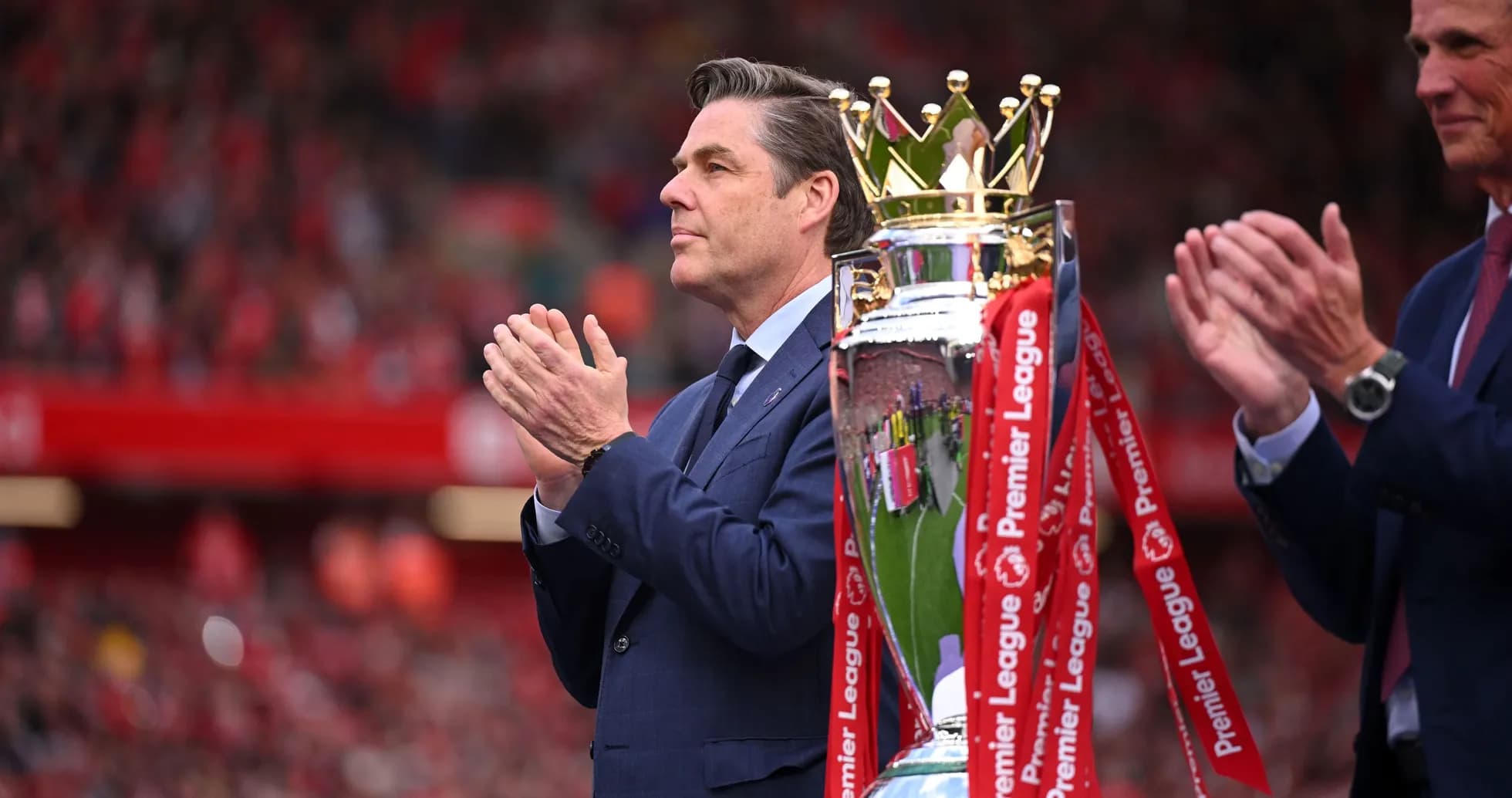
The Premier League chief executive fronted up on Tuesday, addressing the still unresolved financial charges against Manchester City and conceding the delay has dragged on far longer than anyone wanted. But he refused to apologise for the time it is taking.
City were first charged back in February 2023. An independent commission then sat through a lengthy hearing that finally wrapped up in December 2024. Since then: silence. No verdict. No punishment. No closure.
Masters, speaking to talkSPORT at a launch event, was pressed on the lack of resolution. His answer was blunt in one sense, but carefully measured in another.
“As every day elapses, we must be a day nearer,” he said. “I obviously can't comment on it. I do understand the frustration. It has taken longer than expected, but we have to follow the process.”
The message was clear: the clock is ticking, but the league will not try to speed it up just to satisfy public impatience.
For Masters, the core obligation is not to deliver a quick headline, but to ensure the commission has the room to do its job properly.
“In the end, the Premier League's responsibility is to ask the Independent Commission to look at serious allegations and to establish the truth,” he explained. “That shouldn't be qualified by it taking too long, for example.”
Truth over tempo. That is the line the league is holding as the most scrutinised case in its history hangs in the air.
The comparison with Chelsea
Inevitably, the conversation swung towards Chelsea.
The London club were hit with a £10 million fine and a suspended transfer ban for historical breaches. Their case was wrapped up far more quickly, and with a far lighter touch than many fans expected in the current climate of strict financial enforcement.
To some, that contrast with Manchester City’s protracted saga looks jarring. Masters argued the two situations are fundamentally different.
“In the situation with Chelsea, obviously it's historic. It's very different to PSR cases,” he said. “In the case of Chelsea, the new owners came forward with all the information, and we decided to enter a sanction agreement.”
Cooperation changed everything. Chelsea’s new hierarchy volunteered documents, opened the doors, and effectively invited punishment in exchange for certainty and a clean break with the past.
City’s case has gone down another path entirely.
Why City’s case is dragging on
Masters stressed that Manchester City’s situation sits in a separate category to clubs who have quickly accepted sanctions or admitted breaches. The Premier League, he suggested, is operating without the same level of voluntary disclosure that smoothed the way in other investigations.
He pointed to the “unique complexities” of the City case and of similar historic probes. When the league does not have full evidence or access to key witnesses, it cannot simply negotiate its way to a swift conclusion.
In those circumstances, Masters said, contested commissions become the only realistic route. That means lawyers, hearings, arguments, and—crucially—time.
The Premier League has already shown it can move quickly when a club is willing to strike a deal, as with Chelsea’s sanction agreement. Manchester City’s long legal battle underlines the other side of that coin: when everything is challenged, nothing comes easy.
So the wait goes on. Each day, as Masters put it, takes the game one day closer to an answer. The question now is what that answer will do to the landscape of English football when it finally lands.