Real Madrid's New Era Under Mourinho: A Dramatic Start
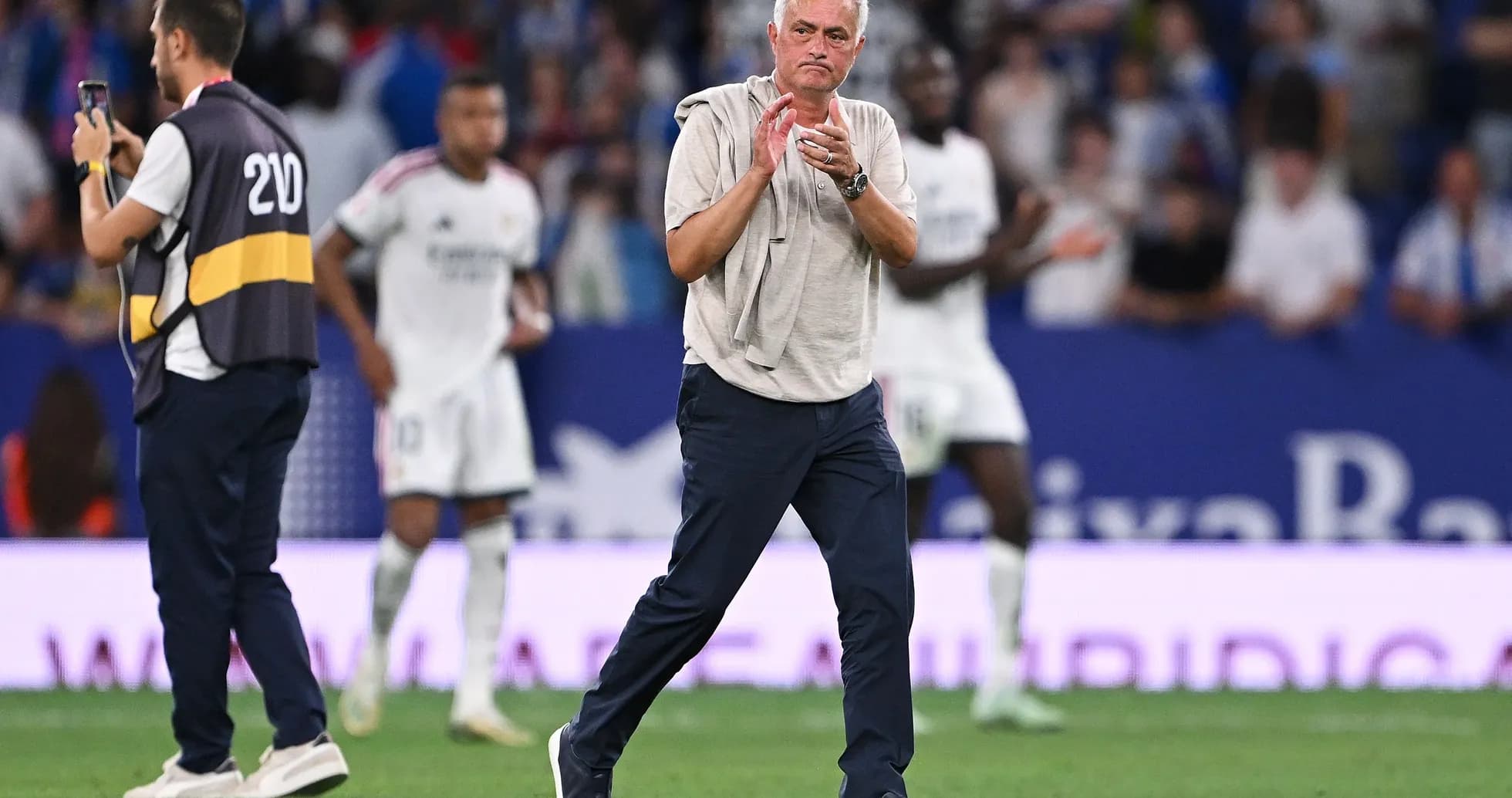
Real Madrid’s new era under José Mourinho began with late drama, nagging doubts and three points that felt more like a warning than a statement.
They started like a team in a hurry. Barely nine minutes in, Arda Guler swung in a teasing, accurate cross and Jude Bellingham climbed above everyone to thump his header home. A classic Bellingham finish, a classic Madrid opening: early goal, early control. Or so it seemed.
The goal did nothing of the sort.
Espanyol absorbed the shock and grew into the game with surprising speed. The home side began to find gaps, to test the spaces in front of Real Madrid’s defence, and Thibaut Courtois was suddenly far busier than a goalkeeper protecting a 1–0 lead should be.
On 26 minutes, Courtois produced the kind of save that has defined his Madrid career, shutting down a dangerous chance that exposed just how open his back line could be. It was a warning. Madrid did not heed it.
Minutes later, Alex Calatrava punished them. Espanyol sliced through again, and this time there was no escape. Calatrava levelled the match, and the mood shifted. The scoreboard said 1–1; the balance of danger suggested Espanyol were the side asking harder questions.
Their equaliser did not feel like a freak moment. It reopened an uncomfortable debate about Madrid’s defensive structure. There was no clear defensive anchor stepping in early, no one reading the pass before it arrived in the box, no shield in front of the centre-backs. For a team stacked with attacking talent and encouraged to play on the front foot, those empty spaces in midfield looked vast and vulnerable.
Every turnover seemed to invite Espanyol onto them. Every loose touch risked becoming a counter-attack.
If Mourinho intends to rebuild Madrid on a stricter, more disciplined foundation, this is where the work will bite. Shoring up that soft centre will tell us far more about the direction of his second spell than any touchline gesture or early-season soundbite. The problem has lingered across seasons; it resurfaced here almost by habit.
Espanyol sensed it. Through key stretches of the first half, and again in phases after the break, they created the more dangerous openings. Madrid held possession in spells but rarely imposed true control. The match never settled into the kind of one-sided siege that usually follows an early goal from a side of their stature.
As the minutes ticked away, the game drifted towards a draw that would have felt about right. Madrid pushed, but without fluency. Attacks broke down. The final pass went missing. The sense grew that, for all their names and all their history, they were relying on a moment rather than a plan.
That moment came from the bench.
With the clock at 90 minutes, Espanyol’s defence froze for a split second inside the area. Espi reacted faster than anyone, pouncing on the confusion and hammering the ball home. A ruthless finish, born not from a sweeping team move but from instinct and opportunism. Just like that, Madrid had their winner and Mourinho had his first victory of this new chapter.
It said everything about the power of substitutions and the depth at his disposal. It also disguised something more uncomfortable. Madrid did not put this game away through sustained attacking authority. They escaped with victory by seizing on Espanyol’s one decisive lapse at the death.
On paper, it is the ideal start: three points, a late winner, the narrative of resilience. On the pitch, many of the old issues refused to budge. The attack lacked variety and clear solutions when the first wave of ideas ran out. The team struggled to dictate the tempo for long stretches. The spaces between midfield and defence kept reappearing, inviting trouble.
One match cannot define a season, and drawing sweeping conclusions from an opening-day trip would be reckless. The players are still absorbing Mourinho’s demands, still adjusting to new roles and responsibilities. Early chaos is part of that process.
But patterns matter. If these cracks keep showing against stronger opponents than Espanyol, what felt like early-season rust in Catalonia will start to look like something far more entrenched.
For now, the table shows three points to Real Madrid and a perfect record for Mourinho’s return. The performance tells a different story, one that leaves a simple, sharp question hanging over the weeks to come: is this just the messy beginning of a new project, or a sign that even Mourinho might struggle to drag this team away from its old, familiar flaws?