Real Madrid's New Era: Mourinho's Tactical Overhaul
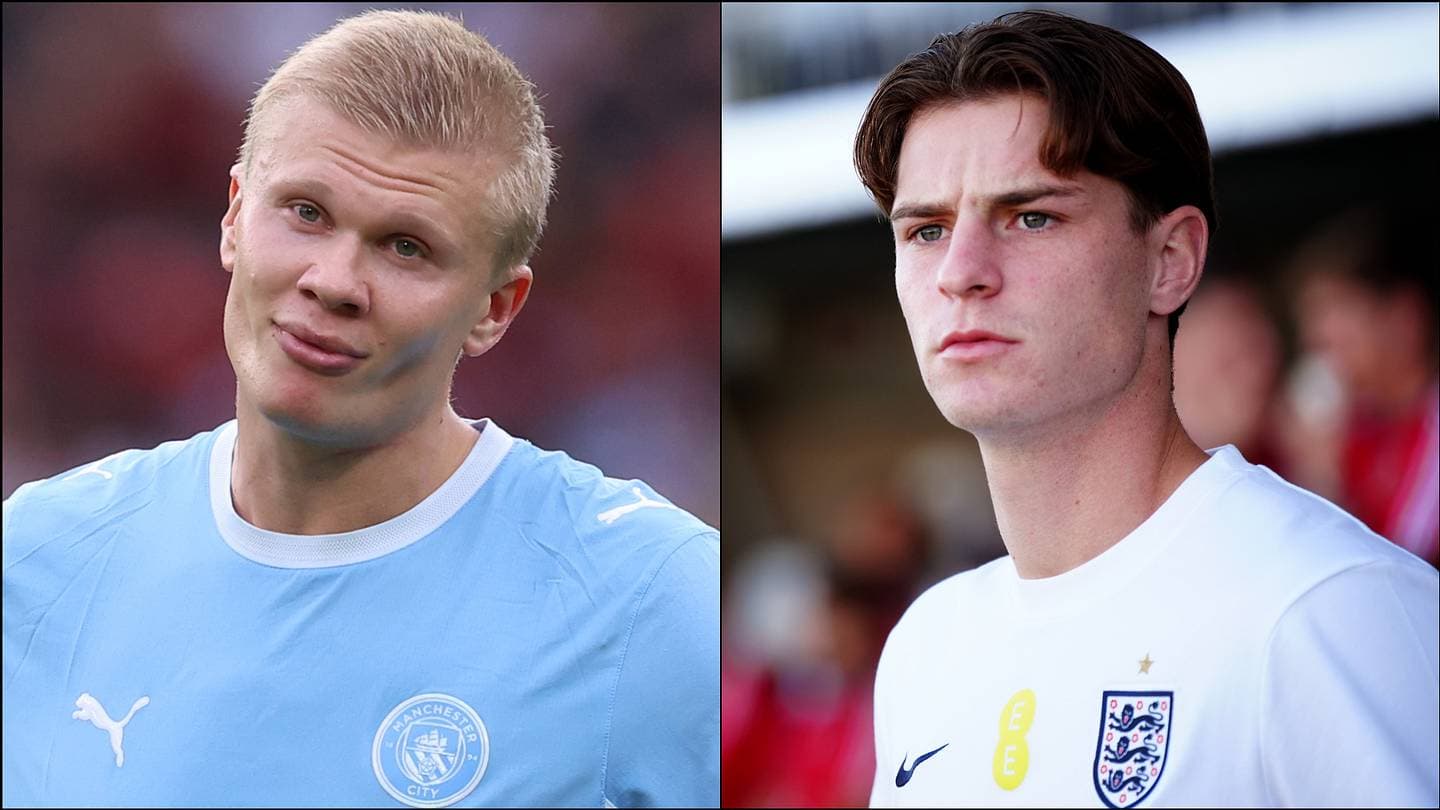
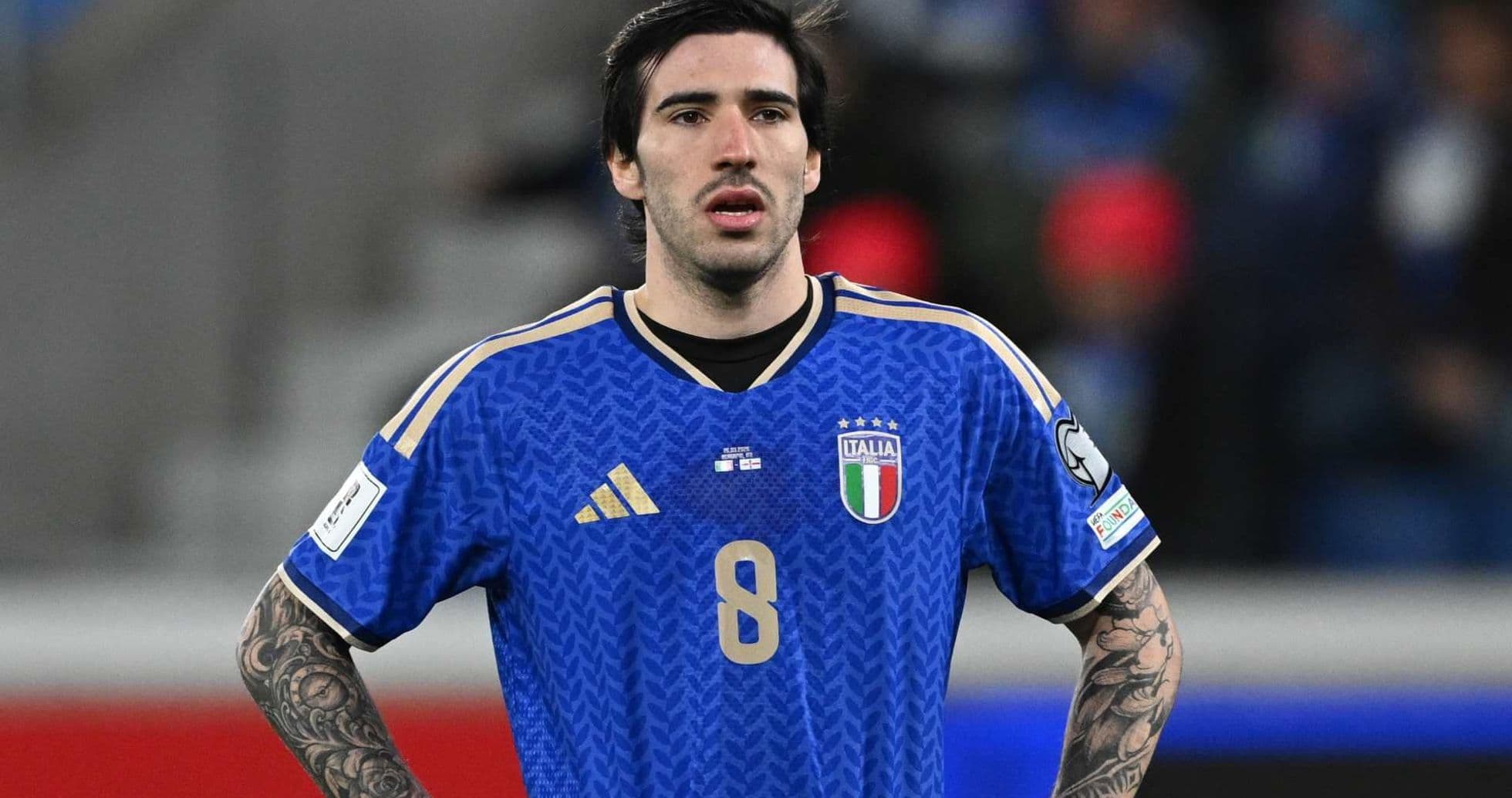
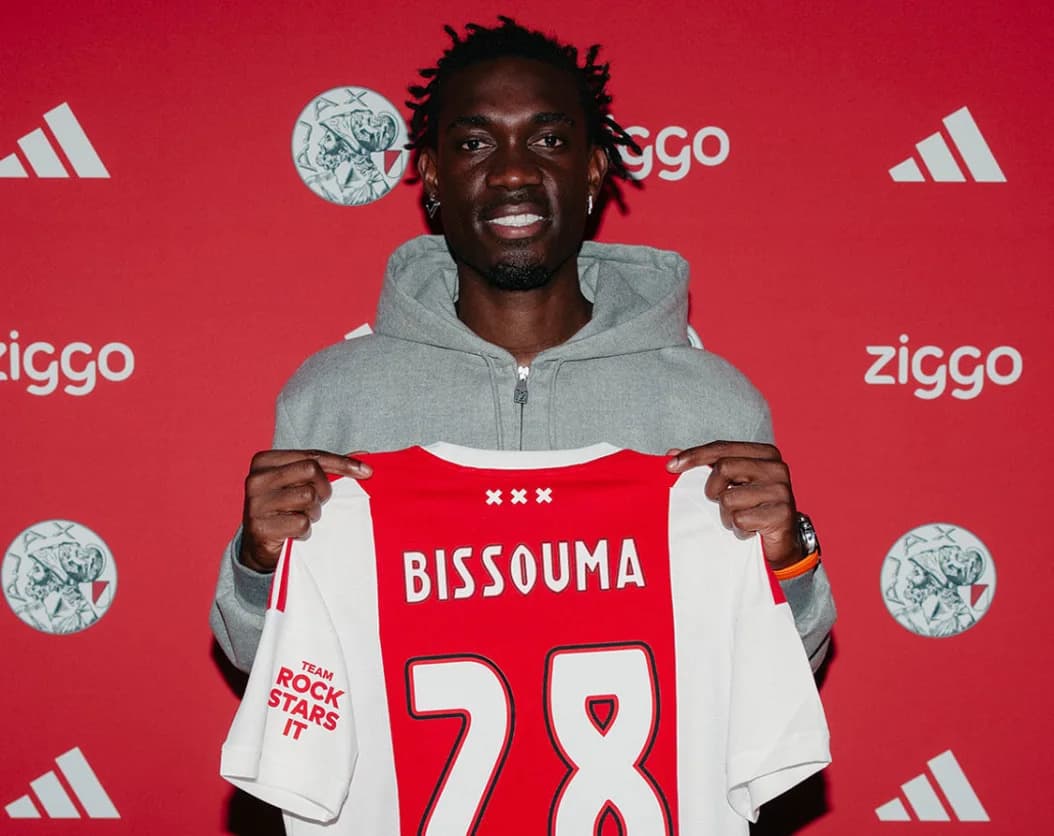
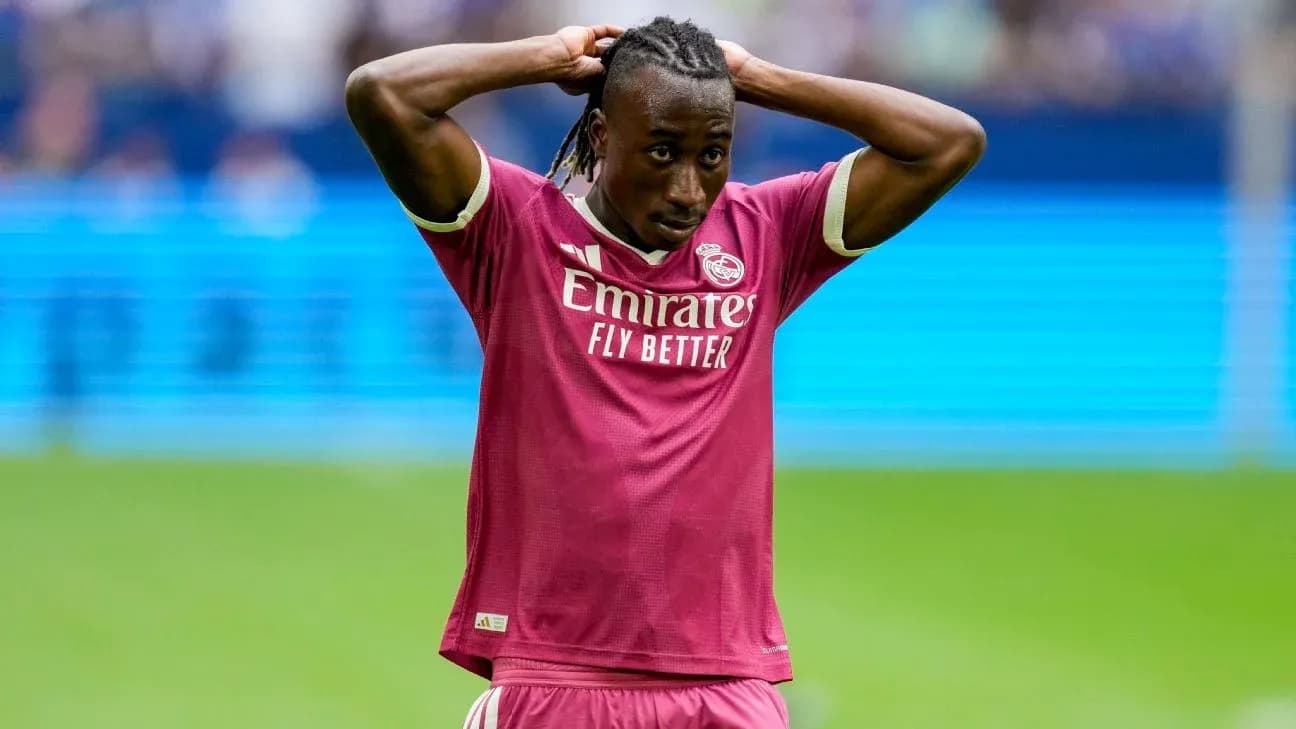
Real Madrid will not look, feel or play the same this season. How could they? José Mourinho has replaced Álvaro Arbeloa on the bench, and a wave of signings — Marc Cucurella, Bernardo Silva, Ibrahima Konaté, Denzel Dumfries, Carlos Espí and Yan Diomande — has crashed through Valdebebas after a year without a major trophy.
Arbeloa’s Madrid drifted in the run-in, constantly tweaking the XI and never quite finding a settled shape as they limped home eight points behind champions Barcelona. Their last chance to avoid a second straight trophyless season died at Camp Nou on May 10, a 2-0 Clásico defeat that felt like a full stop at the end of an era.
Mourinho arrives to write a different story.
From 4-3-3 to 4-2-3-1: a structural shock
Preseason has already given away his hand. The classic Madrid 4-3-3 is gone. In its place: a 4-2-3-1, with a double pivot and Jude Bellingham stationed as the No. 10.
That change isn’t cosmetic. The club has spent more than €125 million on winger Yan Diomande, the most expensive signing in its history. You don’t pay that fee and then keep playing the same way. The investment screams of a shift that will reshape both the attack and the midfield.
While most of LaLiga has already kicked off the 2026-27 campaign, Madrid wait. Their opener comes away to Espanyol on Saturday, Aug. 22. Mourinho has one more week to decide what his first Real Madrid XI really looks like.
Attack: Diomande or a false winger?
Three names are inked in.
- Kylian Mbappé through the middle.
- Bellingham behind him.
- Vinícius Júnior, fresh from signing a new long-term deal, on the left.
That is the spine of Mourinho’s front four.
The question lives on the right.
Does he throw Diomande straight in as a pure winger, turning the front line into a blur of pace and direct running? Or does he sacrifice that speed for an extra midfielder on the flank, someone who tucks inside and gives the team more balance and control?
If Mourinho chooses the second path, Bernardo Silva and Arda Güler would fight for that right-side role. Diomande, at 19 and carrying the weight of that record fee, would start the season on the bench. How quickly he adapts — to the shirt, to the demands, to the scrutiny — will go a long way to defining his status this year.
With Diomande in the XI, Madrid gain raw acceleration and vertical threat. With Silva or Güler, they gain brains: more possession, more pauses, more angles. There is a third route as well. Federico Valverde, the new club captain, has often worked the right flank with his endless running, but for now Mourinho seems determined to keep him in his natural central role.
Diomande’s inclusion would also change the picture behind him. Dumfries, an aggressive right back by instinct, would have licence to surge, knowing the Ivorian’s high starting position would drag defenders away and his own defensive work would need cover. The partnership could turn Madrid’s right side into a constant outlet.
Midfield: the Tchouaméni question
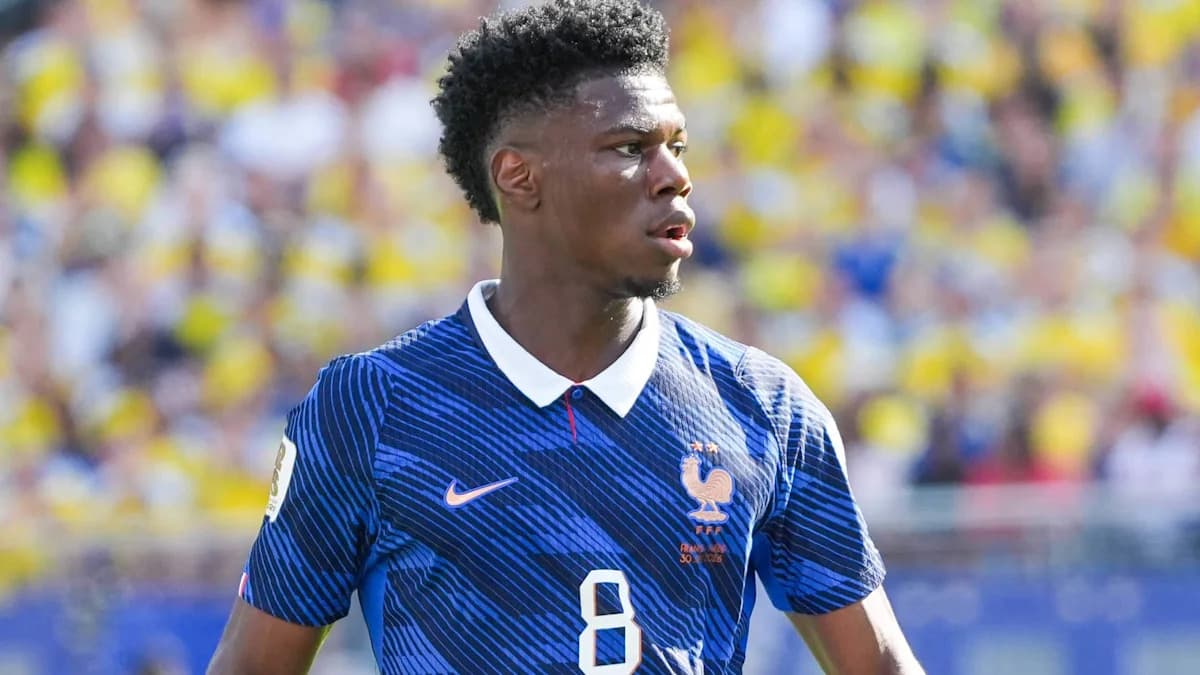
At the base of everything sits Aurélien Tchouaméni. After the club failed to land Manchester City’s Rodri, the France international stands as the only true positional central midfielder in the squad. Mourinho’s double pivot is built around him.
Who plays next to him is where the debate begins.
- Valverde,
- Silva,
- Güler
- and academy product Thiago Pitarch are the candidates.
On paper, and given their profiles, Valverde looks the most natural partner. His energy, pressing and ability to cover ground would give Tchouaméni the protection he needs and create a more solid, box-to-box midfield.
But Madrid will not always be on the back foot. In matches where they expect to dominate the ball, the dial can turn towards creativity. That is where Silva comes in. His ability to drop deep, carry the ball out from the back and pick passes between the lines makes him the obvious alternative if Mourinho wants to tilt the team towards possession and control.
There is also Güler. The Türkiye international is pencilled in as Bellingham’s understudy in the No. 10 role, but last season Xabi Alonso already used him in a deeper midfield position. If Mourinho decides to go bold and lean into an attacking style, Güler’s inclusion as a second playmaker from deep becomes a real option.
Pitarch, meanwhile, has impressed Mourinho with the same qualities that caught Arbeloa’s eye: dynamism, stamina, and a willingness to run for others. He may not start the season as a headline name, but he is close enough to the first team picture to enter the rotation at any moment.
Defense: new full-backs, crowded center
The back line will not escape the overhaul.
On the left, Cucurella walks straight into the team. His intensity and reliability make him a fixture, with Álvaro Carreras set to back him up and Ferland Mendy, often injured and out of rhythm, pushed into a marginal role.
The middle of the defense is more fluid. For now, Dean Huijsen and Antonio Rüdiger are expected to start. Both bring size and aggression, but the club is looking to Konaté and the returning Éder Militão to raise the overall level. Their presence will stiffen competition and almost certainly push Raúl Asencio further down the hierarchy.
On the right, Dumfries offers something very different from what Madrid have had in recent seasons: a natural wing-back profile in a back four, powerful in transition and relentless in his forward runs. His chemistry with whoever starts ahead of him — Diomande, Silva, Güler or even Valverde — will shape how adventurous Mourinho dares to be.
A new coach, a new shape, a new cast. The question now is simple: will this version of Real Madrid end the drought, or will another season slip away under the weight of its own ambition?