Premier League Clubs' Spending in the 2026/27 Transfer Window
Chelsea have already poured over £290 million into new signings this summer. As the transfer window unfolds, clubs across the Premier League show varied spending patterns, with some splurging heavily and others taking a more cautious approach.
Teams Spending Less and Banking More (Positions 20-16)
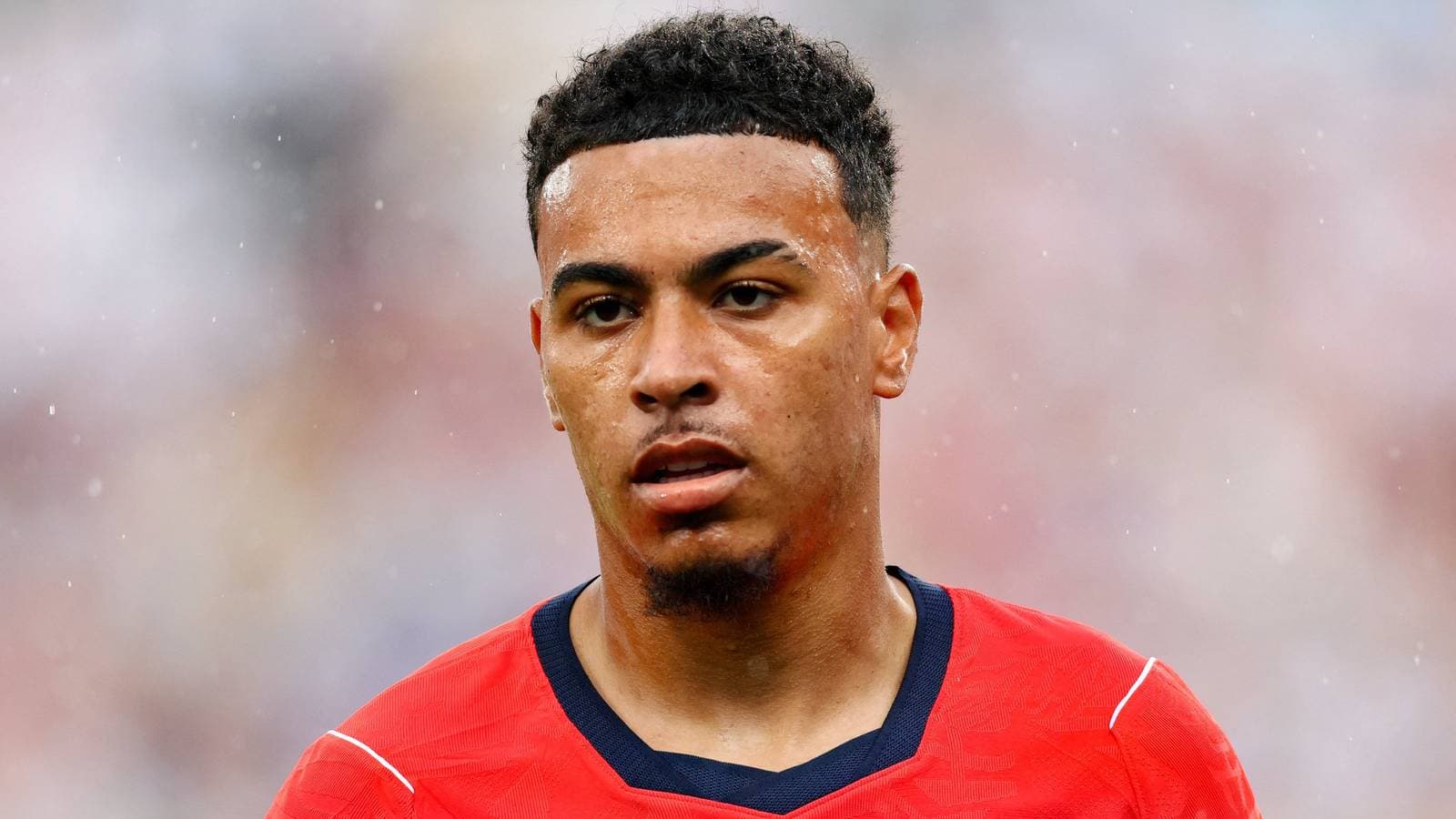
Some clubs enter the season with strong bank balances after selling key players, yet whether this will translate into Premier League survival remains uncertain. Nottingham Forest sit at the bottom of the spending chart, signing only Portugal’s Gustavo Sa before loaning him out. Their most notable financial boost came from selling Elliot Anderson to Manchester City for a reported £116 million. Aston Villa also boosted their funds significantly by offloading Morgan Rogers, Youri Tielemans, and Donyell Malen but reinvested almost £100 million on World Cup star Johan Manzambi, Wolves’ Joao Gomes, and loan signing Alejandro Garnacho. Crystal Palace haven’t spent yet but made £52 million from selling Maxence Lacroix to Chelsea. Newcastle United reshaped their squad with a focus on youth despite several departures, while Sunderland remain cautious but profitable following Eliezer Mayenda's sale.
- Nottingham Forest: Expenditure £17m, Income £123m, Net +£106m
- Aston Villa: Expenditure £90m, Income £194m, Net +£104m
- Crystal Palace: Expenditure £0, Income £52m, Net +£52m
- Newcastle United: Expenditure £112m, Income £161m, Net +£49m
- Sunderland: Expenditure £0, Income £19m, Net +£19m
Mid-Table Clubs Balancing Books or Taking Risks (Positions 15-11)
Hull City and Fulham aimed to maintain balance, each making numerous ins and outs without major net spend. Leeds United took a chance on Bosnian World Cup talent Tarik Muharemović and signed Harry Wilson on a free, balancing these moves by selling long-serving Pascal Struijk to Brighton. Brentford, narrowly missing European qualification last season, invested in Burnley’s Jaidon Anthony and Austrian prospect Jannik Schuster. Bournemouth, fresh from Europe qualification, strengthened their squad but lost Marcos Senesi to Spurs on a free.
- Hull City: Expenditure £3m, Income £10.5m, Net +£7.5m
- Fulham: Expenditure £5m, Income £8.5m, Net +£3.5m
- Leeds United: Expenditure £32m, Income £22m, Net -£10m
- Brentford: Expenditure £30m, Income £6m, Net -£24m
- Bournemouth: Expenditure £37m, Income £10m, Net -£27m
Clubs Investing Heavily in New Talent (Positions 10-6)
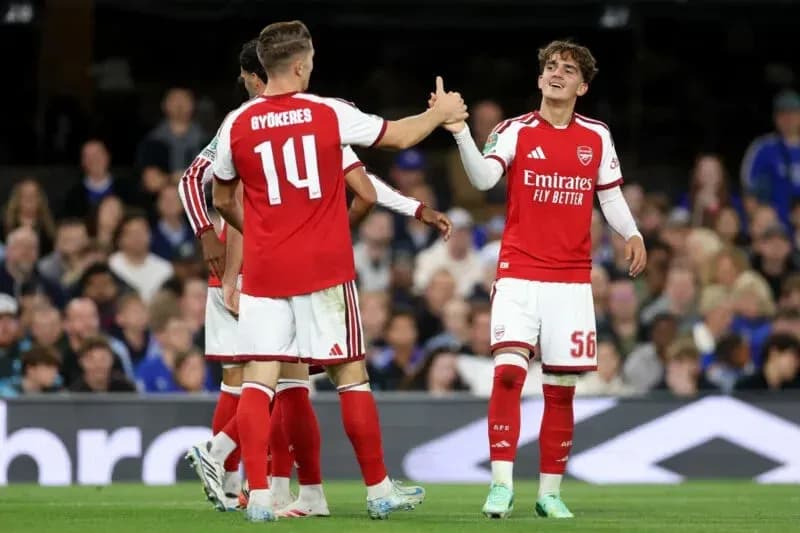
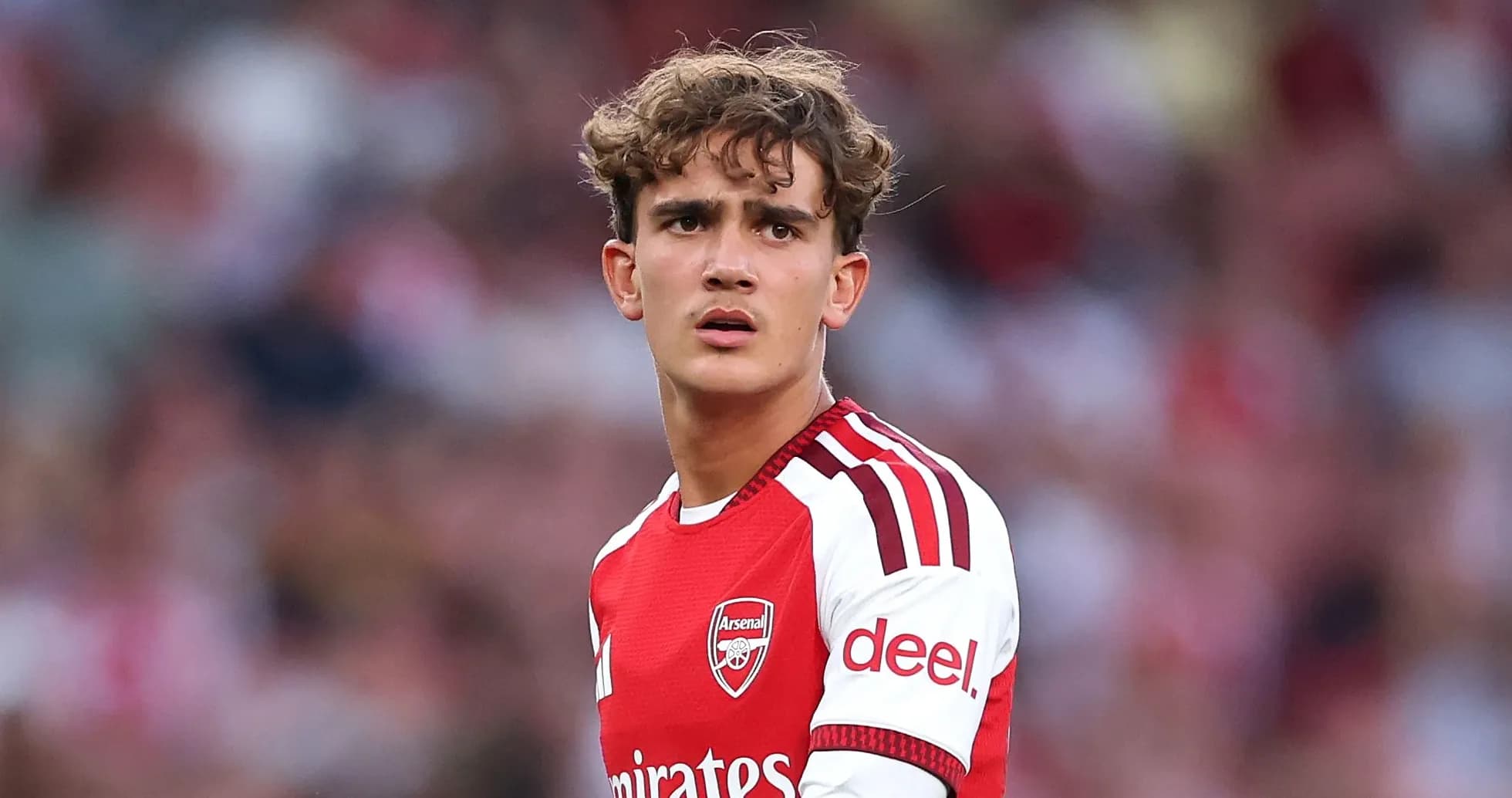
Arsenal made two key signings: Greek winger Christos Tzolis from Club Brugge and Colombian defender Piero Hincapié, whose loan became permanent for £34 million. Some departures like Leandro Trossard helped offset costs. Brighton pushed past £100 million on six new arrivals, including Tottenham defender Luka Vušković for £46 million. Coventry City returned to the Premier League after 25 years, signing players from Burnley, Brentford, and Frankfurt, though no sales yet. Manchester United focused on midfield reinforcements with Andrey Santos and Youri Tielemans arriving, funded partly by Rasmus Hojlund’s departure and releasing Jadon Sancho and Casemiro. Everton invested in youth, adding Chelsea’s Tyrique George among their new signings, without any income so far.
- Arsenal: Expenditure £68m, Income £32.5m, Net -£35.5m
- Brighton: Expenditure £108m, Income £69.5m, Net -£38.5m
- Coventry City: Expenditure £41m, Income £0, Net -£41m
- Manchester United: Expenditure £83m, Income £38m, Net -£45m
- Everton: Expenditure £56m, Income £0, Net -£56m
Top Five Biggest Spenders (Positions 5-1)
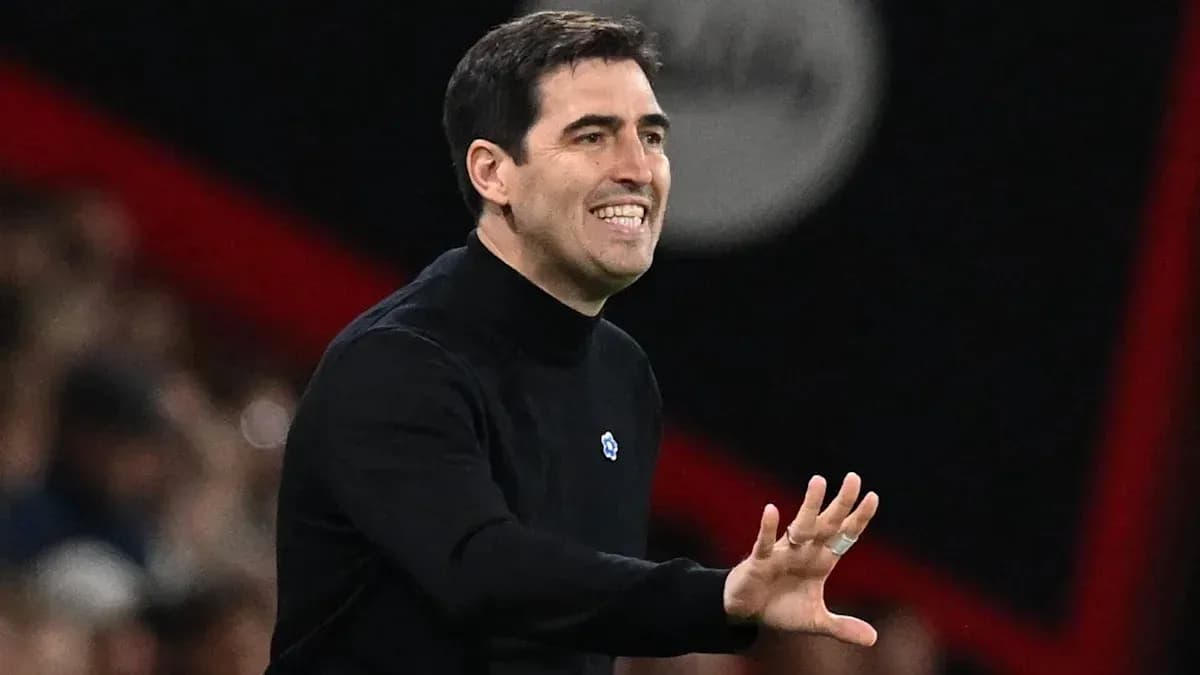
Ipswich Town, newly promoted, nears £100 million spending mostly on multiple smaller fees, their biggest being Emersonn at £24 million. Liverpool lost some players on free transfers but signed Jeremy Jacquet for £54 million and World Cup winner Víctor Muñoz as a wing option. Manchester City concentrated on youth signings while earning from sales of Manuel Akanji and Nathan Aké; their standout purchase was Elliot Anderson for £116 million. Tottenham Hotspur, under Roberto De Zerbi, have spent over £200 million including free signings Andy Robertson and Marcos Senesi alongside big-money deals for Sandro Tonali, Jan Paul van Hecke, and Mateus Fernandes. At the summit, Chelsea, backed by Todd Boehly, are just shy of £300 million in spending, bringing in young talents like Marco Palestra and making major purchases such as Morgan Rogers (£118 million from Aston Villa) and Maxence Lacroix (£52 million from Crystal Palace), all part of Xabi Alonso’s first season plans.
- Ipswich Town: Expenditure £84.5m, Income £7m, Net -£77.5m
- Liverpool: Expenditure £89m, Income £0, Net -£89m
- Manchester City: Expenditure £150m, Income £20m, Net -£130m
- Tottenham Hotspur: Expenditure £228.5m, Income £70m, Net -£158.5m
- Chelsea: Expenditure £294m, Income £113m, Net -£181m
All figures are sourced from Transfermarkt and are accurate as of 31 July 2026.