Is Possession Football Losing Its Edge in the Premier League?
Back in the early 2000s, Premier League defenses aimed to shrink the playing space, limiting opportunities for attackers. Teams pushed for quick play, exploiting open areas with fewer defenders in sight. That strategy made clear sense at the time.
Then Pep Guardiola came along and changed the narrative. His Manchester City squads sought to herd opponents into tight defensive blocks, which are supposed to be tougher to penetrate. This forced opponents into familiar patterns, while City’s defenders covered large spaces near midfield. But for Guardiola, controlling the ball near the opponent's goal was more important; after all, possession meant the opposition couldn’t score.
Why Are Teams With High Possession Dropping Points?
This season, teams holding 60% or more possession have won just 36.4% of those matches through the first 50 Premier League games. Compare that to 53.5% last season, and a question arises: is possession football losing its effectiveness? The truth isn’t straightforward. Are teams winning by holding less of the ball, or does taking an early lead naturally reduce their possession? Both ideas seem plausible.
When Less Possession Works Better
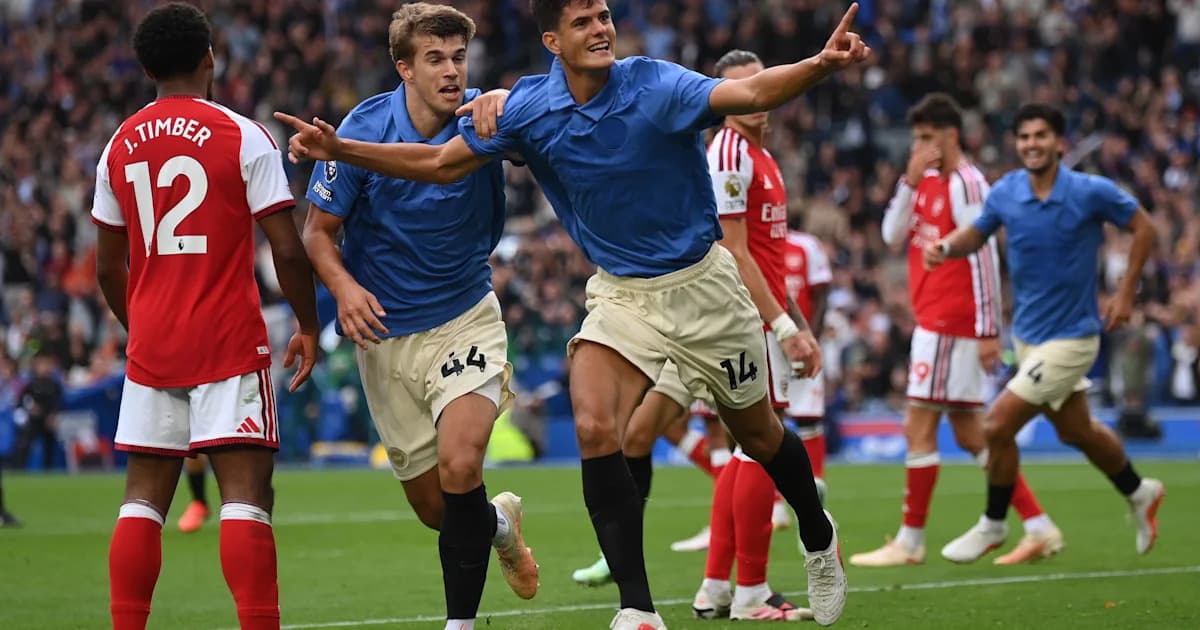
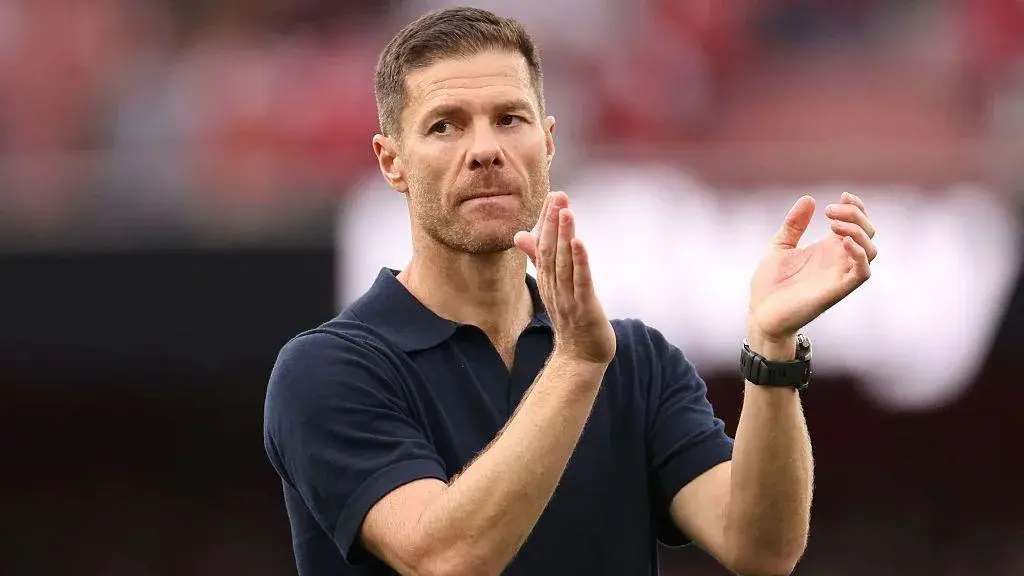
Xabi Alonso’s Chelsea offers a good example. They won narrow victories over Fulham and Brighton while controlling less of the ball but struggled when they held more possession, like in their 3-0 defeat to Brentford. Against Brighton, Chelsea had only 25.6% possession—their lowest since records began—but scored four goals. Quick transitions and throw-ins allowed players like Joao Pedro and Cole Palmer to exploit spaces against fewer defenders.
Brighton’s desire to dominate possession played right into Chelsea’s hands, allowing them to hit on the break effectively.
The Challenge for Top Teams and Tactical Philosophies
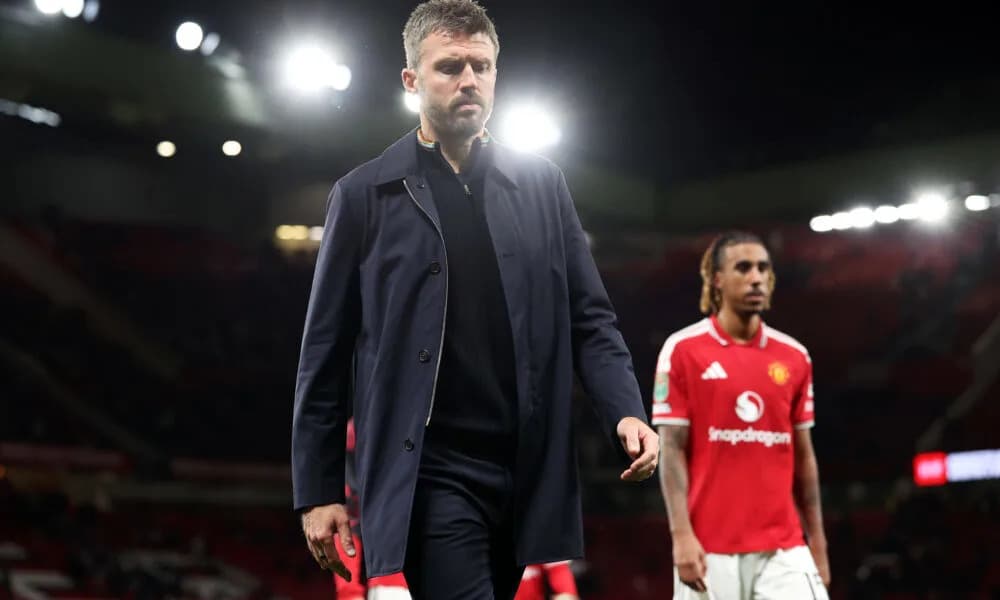
Counter-attacking still carries a stigma, often seen as a tactic for underdogs rather than elite clubs expected to control games. This expectation complicates adopting a low-possession style long term, even if it suits the players better. Chelsea and Manchester United both show struggles aligning tactics and player strengths. Under Michael Carrick, United average 1.5 points per game with more than 50% possession, but 2.6 points when holding less.
Clubs like Brentford, Leeds, and Hull build squads tailored for conceding possession, relying on strong defenders, dangerous counters, and set pieces to compete regardless of budget.
Defensive Pressure and Tactical Shifts
Man-to-man pressing has increased, making it tough to build attacks from the back. Teams respond by playing long passes over the press or finding runners in space, a method used by players like Manchester City's Nico O'Reilly and Arsenal's Declan Rice. While effective, this style favors physicality over intricate play required to break down deep defenses—a challenge for teams trying to dominate possession.
Opponents also mark players tightly near their own goal, forcing attackers into one-on-one duels that demand high individual skill, especially dribbling. Some teams may lack these problem solvers.
Possession Fluctuates With Scorelines
Possession averages can hide how teams change approach based on the match situation. Chelsea scored within seven minutes in each of their first four games and then dropped deeper to protect leads, inviting opponents forward. Their possession varied from 51.4% when level to just 34.5% when ahead, rising to 67.2% when chasing.
This strategy gave Chelsea’s attackers chances to use intuition and pace on counters but left them struggling to break compact defenses when behind.
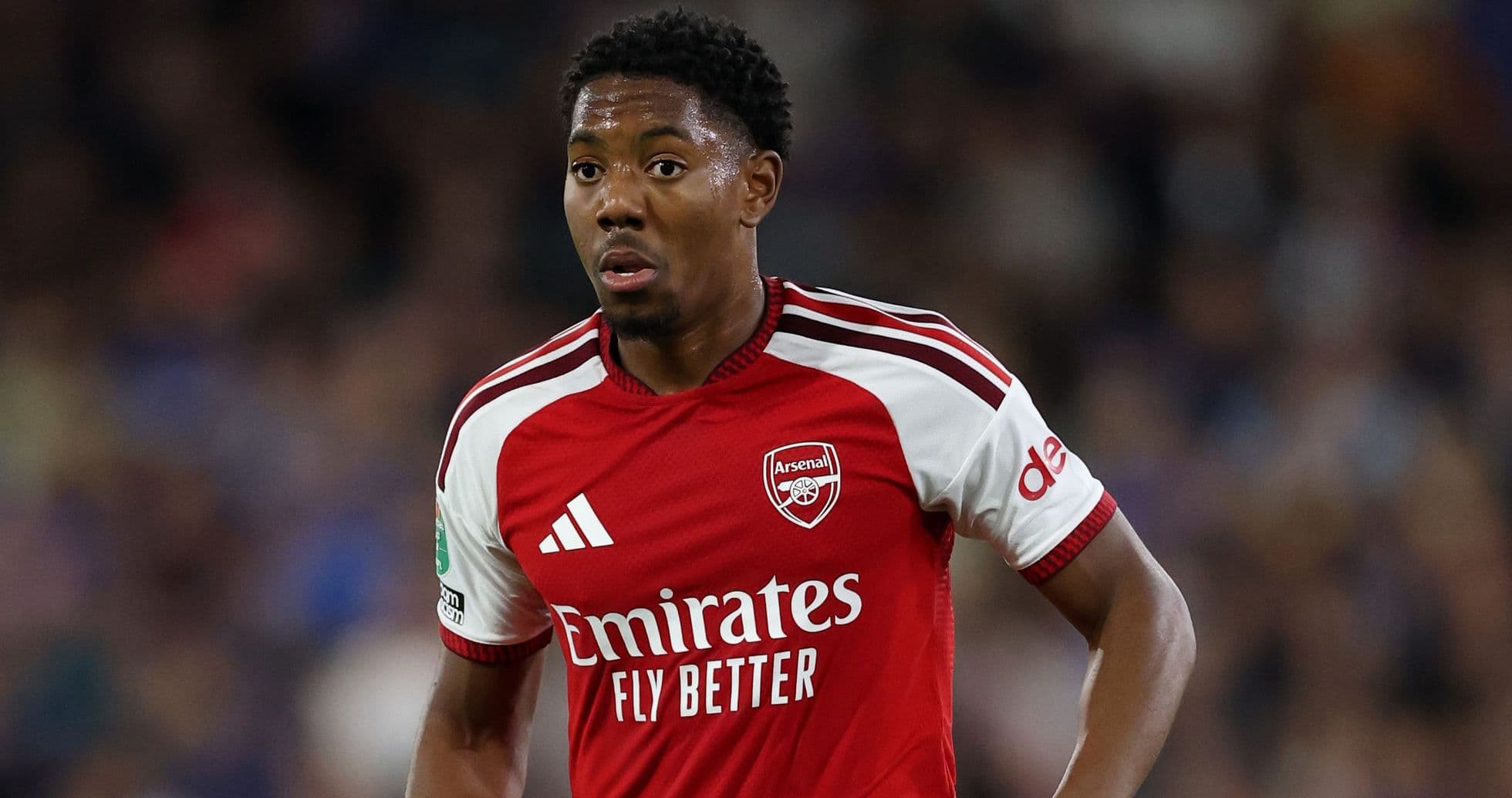
Arsenal demonstrate balance well. Dribblers like Bukayo Saka and Max Dowman, combined with precise passing from Martin Odegaard and others, help unlock tight defenses. Their possession dips only slightly when ahead, signaling control without complacency. Defenders such as Gabriel and Ezri Konsa provide solidity when the team holds less of the ball.
Meanwhile, Manchester City keep up about 65% possession even when leading, maintaining pressure to prevent opponents from threatening their goal, a style inherited by Enzo Maresca from Guardiola.
Winning Means Controlling the Terms of Play
If you are brave, they have to play a game that is not [the opponent’s] preferred game, said current Liverpool boss Andoni Iraola in 2025, reflecting on his time managing Bournemouth—a team known for winning with less possession.
Fewer Premier League sides now have the players or solutions to break down defensive setups. Advantages appear more often by attacking larger spaces quickly. Closing the gap between thriving without the ball and dominating with it will take time—and not all coaches get that luxury.