Portland Thorns W vs Bay FC W: Tactical Superiority in NWSL Showdown
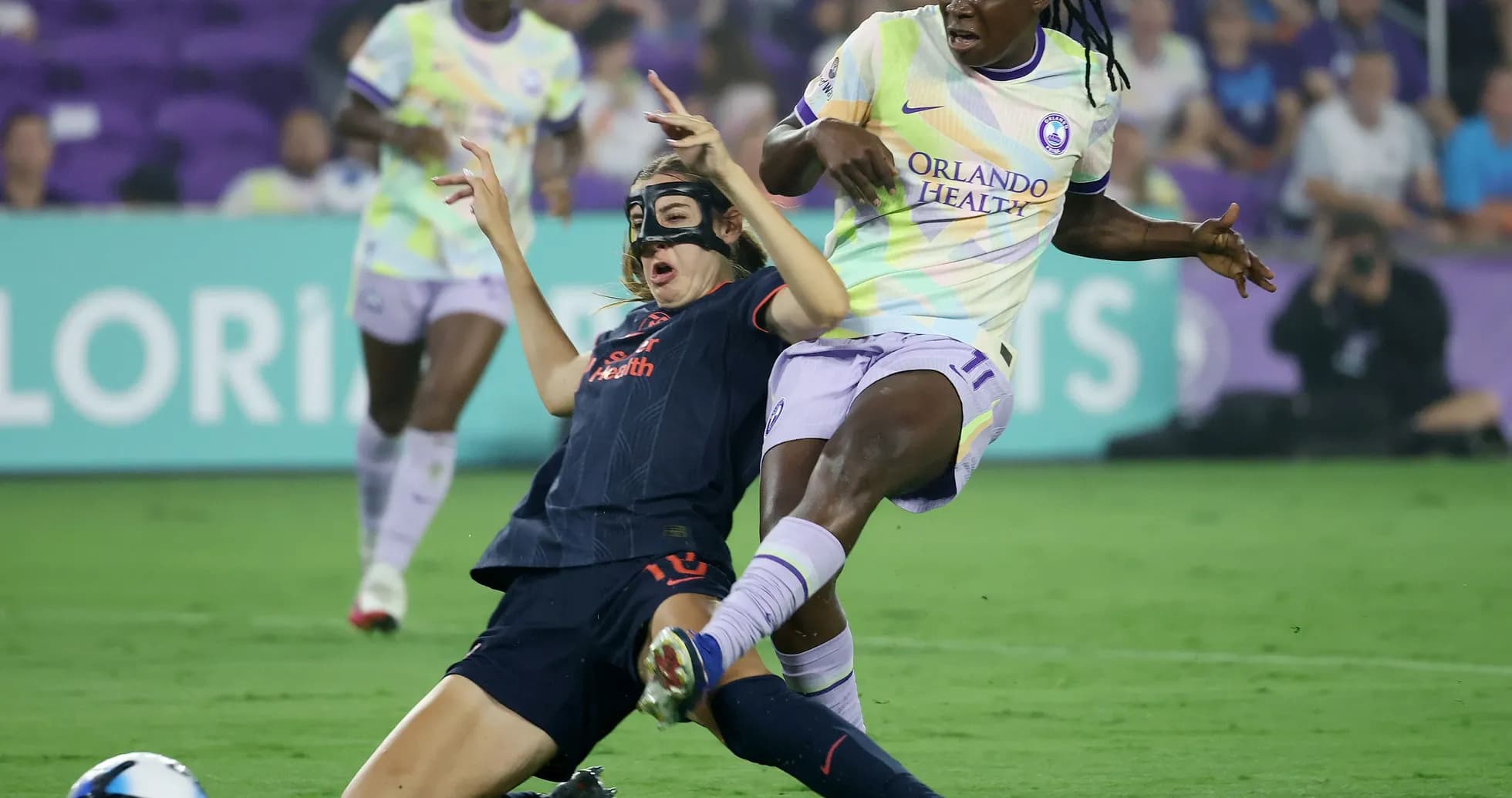
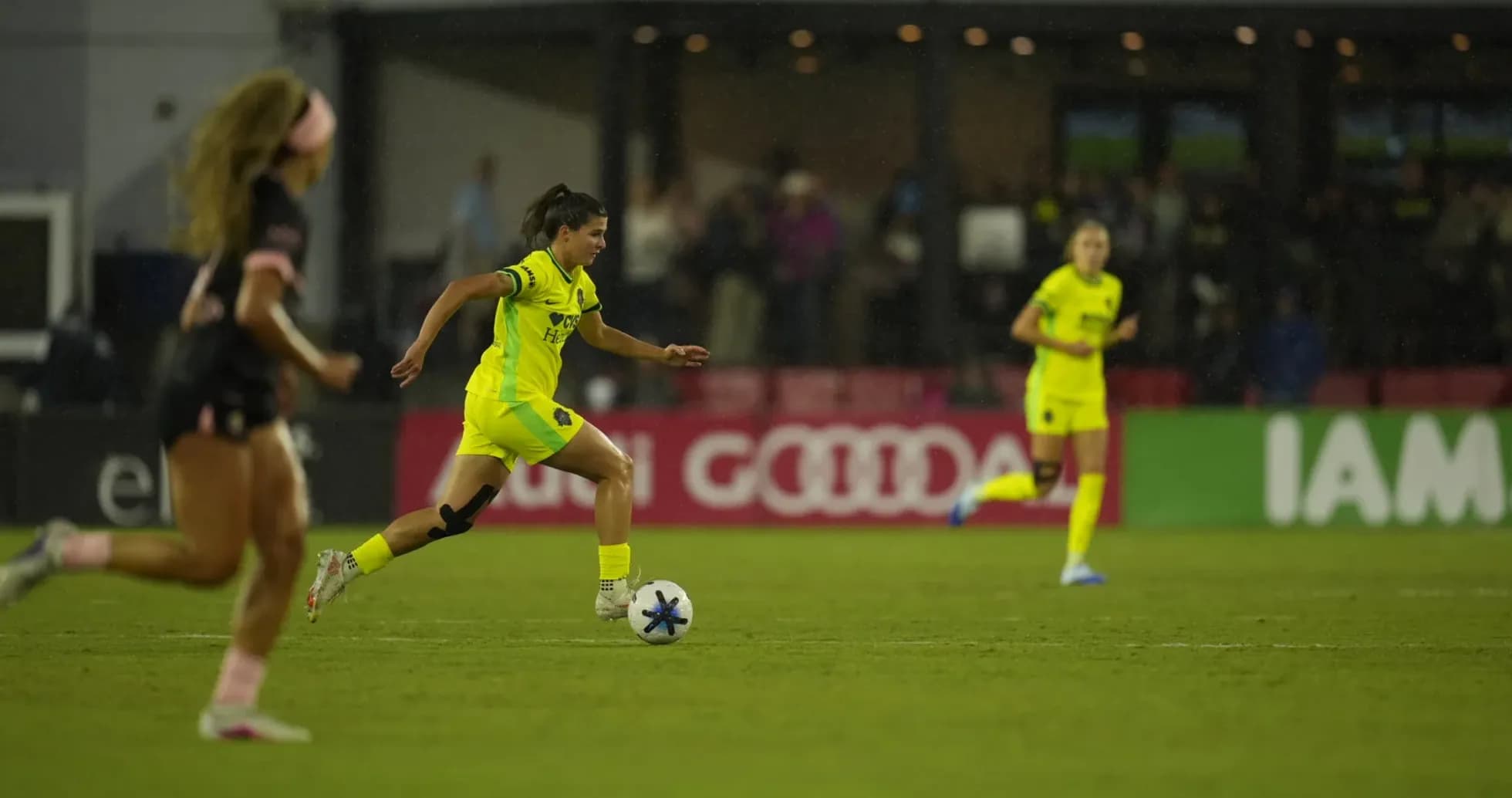
Under the lights at Providence Park, this Group Stage meeting in the NWSL Women felt less like a routine league fixture and more like a statement of hierarchy. Portland Thorns W, top of the table heading into this game with 23 points and a goal difference of 8, hosted a Bay FC W side still finding its identity down in 13th on 11 points and a goal difference of -5. By full time, the 2–0 scoreline had the air of inevitability, but it was built on very deliberate structural choices and contrasting squad profiles.
Both sides lined up in a mirrored 4-2-3-1, yet the shapes behaved very differently. For Portland, the system is now their seasonal backbone: they have used it in 8 of their 11 league outings, and it showed in the fluency of their spacing. The double pivot of C. Bogere and J. Fleming sat in front of a back four that has turned Providence Park into a fortress. Heading into this game, Portland had played 5 at home, winning 4 and drawing 1, scoring 8 and conceding 0. That defensive record is not a quirk; it is an identity.
Behind them, the back line of R. Reyes, I. Obaze, S. Hiatt and M. Vignola formed a compact, almost ruthless unit. Reyes, already on the league radar for her disciplinary edge – she has one red card in the campaign – channelled that aggression into controlled duels here, stepping high when Bay tried to play into feet. Portland’s season-long numbers underline the security: overall they had allowed just 9 goals in 11 matches, an average of 0.0 goals against at home and 1.5 on their travels. At Providence Park, every clean sheet feels less like a bonus and more like the baseline expectation, and this match fit that script.
In front of them, the attacking band of three – M. Muller, P. Tordin and M. Alidou d’Anjou – rotated intelligently around S. Wilson as the lone forward. The selection of Tordin was particularly telling. Across the season, Tordin has 3 goals and 3 assists in 11 appearances, with 17 key passes and a league rating built on constant involvement. She is not the headline scorer – that mantle is shared by O. Moultrie and R. Turner with 4 goals each – but she is the connective tissue. From the right half-space, Tordin repeatedly drifted inside to overload Bay’s double pivot, forcing C. Hutton and H. Bebar into uncomfortable decisions about when to step and when to hold.
Bay FC’s 4-2-3-1, by contrast, looked more reactive. Emma Coates’ side has lived on a knife edge all season: 8 goals for and 13 against overall, averaging 0.8 goals for at home and 1.0 on their travels, while conceding 1.4 at home and 1.5 away. The back four of S. Collins, B. Courtnall, J. Anderson and A. Denton were asked to defend large spaces, especially once Portland established territorial control. With Bay’s line of three – T. Huff, D. Bailey and R. Kundananji – pushed high to support C. Girelli, the full-backs were frequently isolated 1v1 against Portland’s wide midfielders.
The “Hunter vs Shield” duel in this match was less about a single striker and more about Portland’s collective attack against Bay’s fragile defensive record. Heading into this game, Bay had kept just 2 clean sheets in 9, failing to score in 4. Portland, meanwhile, had scored 17 overall at a total average of 1.5 goals per match, with 1.6 at home. The first-half breakthrough – arriving before the interval in a half that ended 1–0 – felt like the logical outcome of that imbalance. Once ahead, Portland could lean into their greatest strength: game control from a position of superiority.
In the “Engine Room”, the contrast was even sharper. For Bay, Hutton is the heartbeat. Over the season she has completed 366 passes at 76% accuracy, with 10 key passes, 24 tackles, 2 blocks and 20 interceptions. She also walks a disciplinary tightrope, with 3 yellow cards and a place among the league’s most-booked players. Here, she was again tasked with both shielding the back four and initiating transitions. Opposite her, Bogere and Fleming split responsibilities: Bogere, who has already collected a yellow and a yellow-red this season, played as the destroyer, while Fleming linked play vertically.
The duel between Hutton and Bogere was fascinating: two young midfielders willing to step into contact, both with a history of cards. Portland’s card distribution this season shows a late-game spike, with 27.27% of their yellows coming between 76–90 minutes, while Bay’s discipline frays from 61 minutes onward, with 21.05% of their yellows in 61–75, another 21.05% in 76–90 and a further 21.05% between 91–105. This match followed that narrative arc: as Portland tightened their grip in the second half, Bay’s challenges grew more desperate, their timing more ragged.
The second goal, killing the contest after the break, was the natural extension of Portland’s structural superiority. With Bay chasing, Kundananji and Huff pushed higher, leaving Hutton exposed. Portland’s wide rotations drew Bay’s full-backs out, opening central lanes for late runs from Muller and Alidou d’Anjou. Wilson’s selfless movement, often dragging a centre-back away, created just enough chaos for the decisive strike.
From a statistical prognosis standpoint, the outcome aligned almost perfectly with the underlying trends. Portland’s defensive solidity at home – 5 clean sheets in 5 heading into this game – combined with Bay’s modest attacking output and tendency to concede 1.5 goals on their travels pointed toward a low-scoring but controlled home win. Portland’s penalty record remained pristine (1 taken, 1 scored, 0 missed), while Bay, with no penalties awarded this season, again had no spot-kick lifeline to change the narrative.
Following this result, the story is of a league leader playing like one. Portland’s 4-2-3-1 has matured into a platform that accentuates their stars – from the creative weight of Tordin to the defensive authority of Reyes and Hiatt – while insulating them with a collective structure. Bay FC, meanwhile, leave Providence Park with familiar questions: how to protect a vulnerable back line, how to convert a hard-working midfield into consistent chance creation, and how to manage a disciplinary profile that too often spikes just as opponents turn the screw.
On this night, the Thorns’ squad coherence and tactical clarity were simply too much. The numbers predicted it; the 2–0 on the board confirmed it.