Houston Dash and San Diego Wave Share Points in Tactical Stalemate
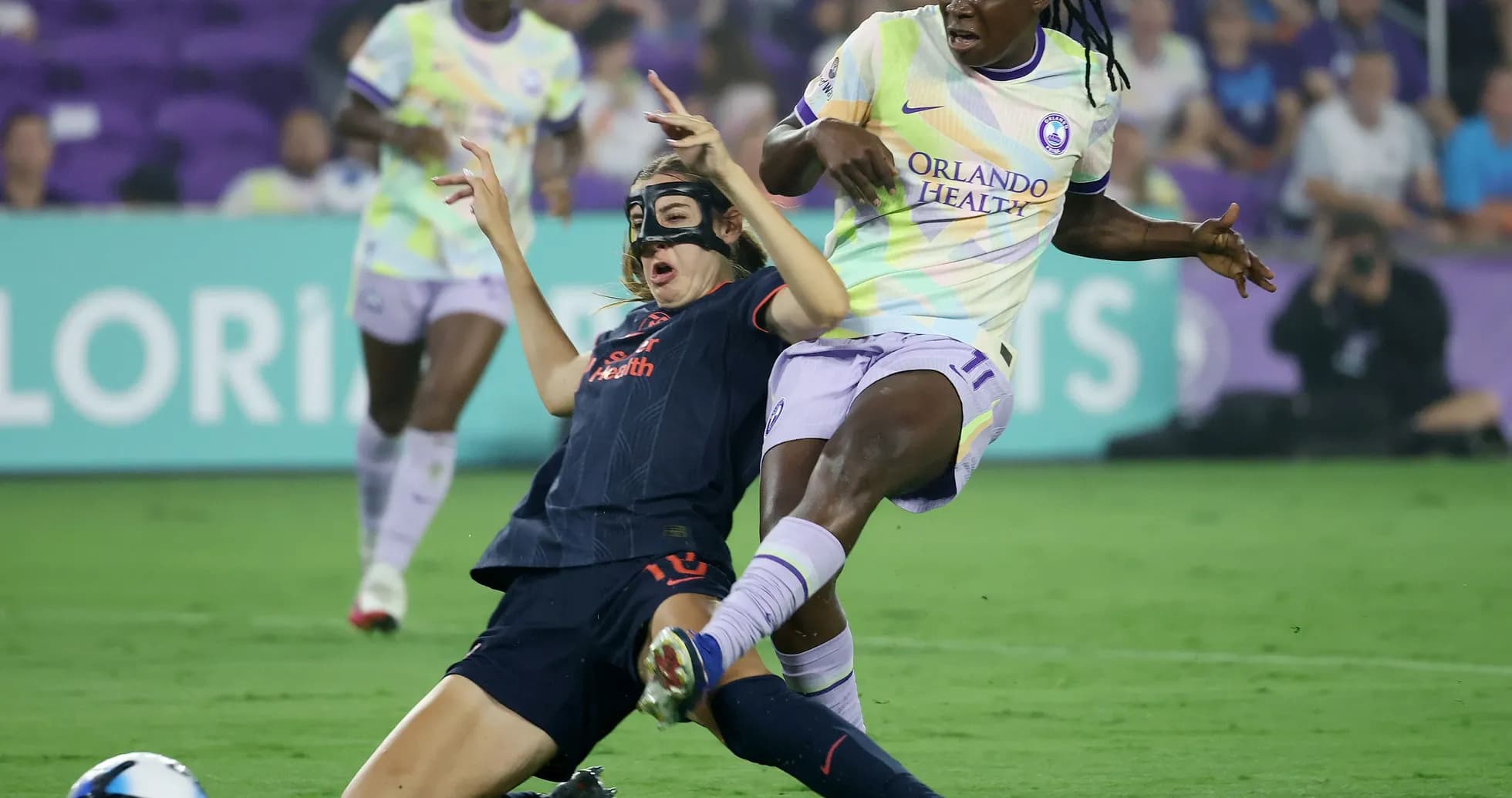
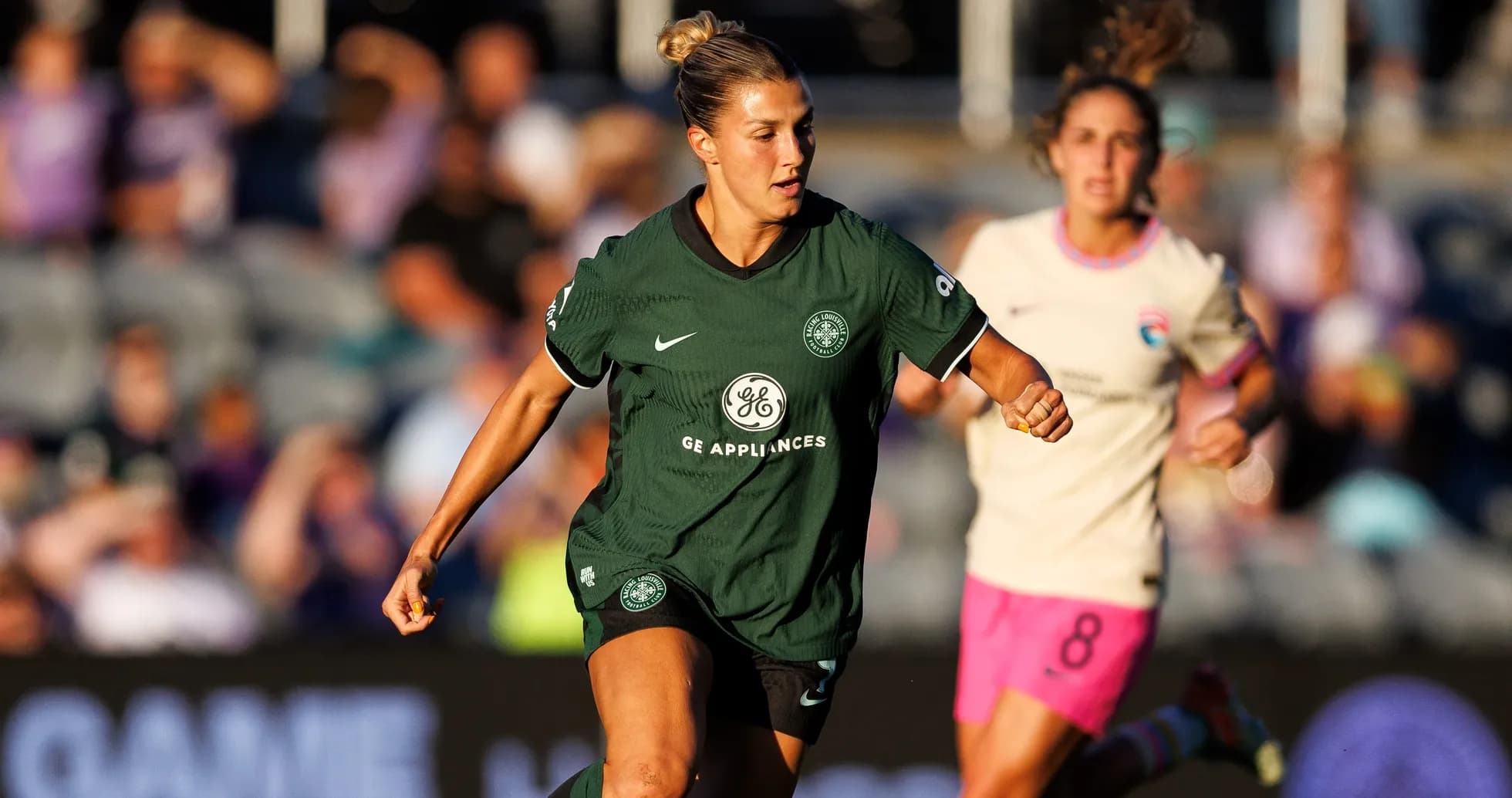
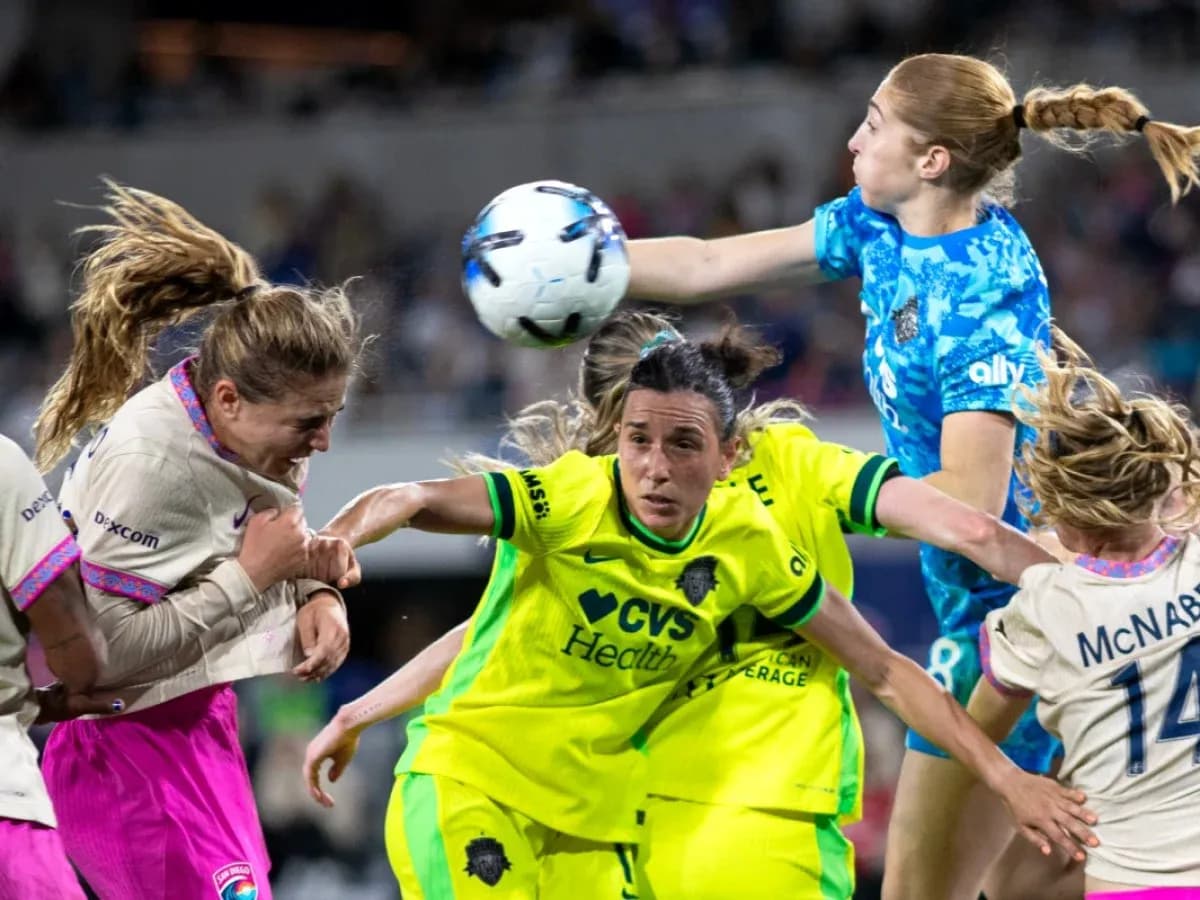
Shell Energy Stadium under the lights, a 2–2 draw in the NWSL Women group stage, and two sides walking off with very different feelings about the same point. For 90 minutes, Houston Dash W and San Diego Wave W played out a tactical argument between structure and ambition, between a contender sitting 2nd in the table and a side trying to claw its way up from 12th.
Heading into this game, the league table framed the clash starkly. Houston had taken 11 points from 10 matches, with a total goal difference of -5 built from 12 goals for and 17 against. At home they had been volatile: 6 games, 2 wins, 2 draws, 2 defeats, scoring 10 and conceding 10. San Diego arrived as one of the league’s standard-bearers, 2nd with 22 points from 11, their total goal difference a tidy +5 (17 scored, 12 conceded). On their travels they had been ruthless: 4 away wins from 6, 10 goals scored and only 8 conceded.
Both coaches mirrored each other on the tactical board, each opting for a 4-2-3-1 that told you as much about their season as any statistic. Fabrice Gautrat has been gradually moving Houston away from the 4-4-2 that has been used in 8 of their league matches and deeper into this 4-2-3-1 structure, used twice before this fixture, to stabilize a side conceding an average of 1.7 goals per game overall. Jonas Eidevall, by contrast, has made the 4-2-3-1 San Diego’s default, deploying it in 6 of their 11 league matches, a platform for an attack averaging 1.5 goals per game in total and 1.7 on their travels.
Houston's Line-up
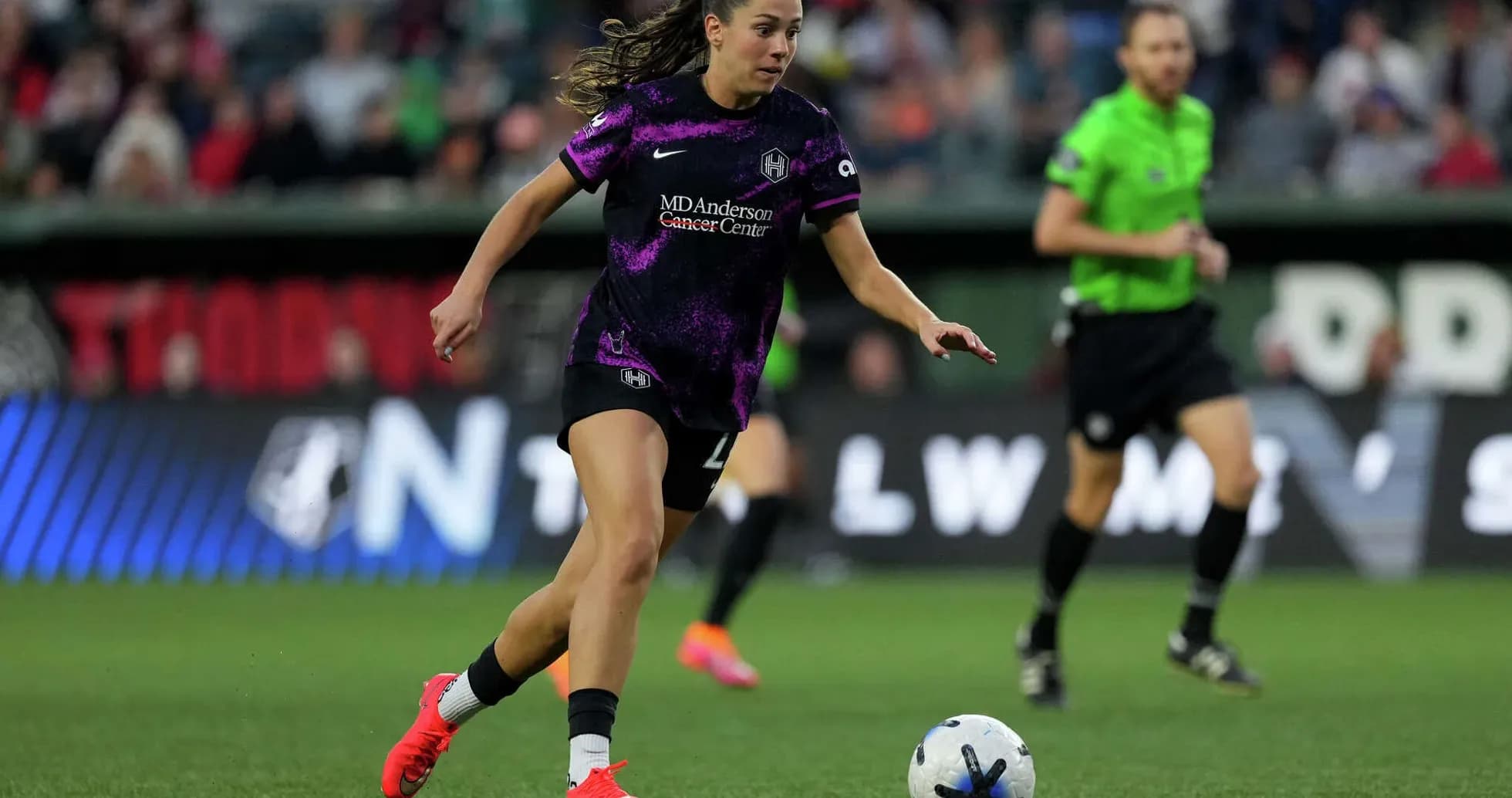
For Houston, the shape was anchored by J. Campbell in goal, a back four of L. Boattin, P. K. Nielsen, M. Berkely and L. Klenke, and a double pivot of D. Colaprico and C. Hardin. Ahead of them, A. Patterson and K. Rader flanked M. Graham, with L. Ullmark as the lone forward. It was a line-up that leaned heavily on work-rate and defensive steel in midfield; Colaprico, who has already picked up 3 yellow cards in the league and averages strong defensive numbers with 20 tackles and 6 blocked shots, is the natural metronome and breaker of play.
San Diego's Line-up
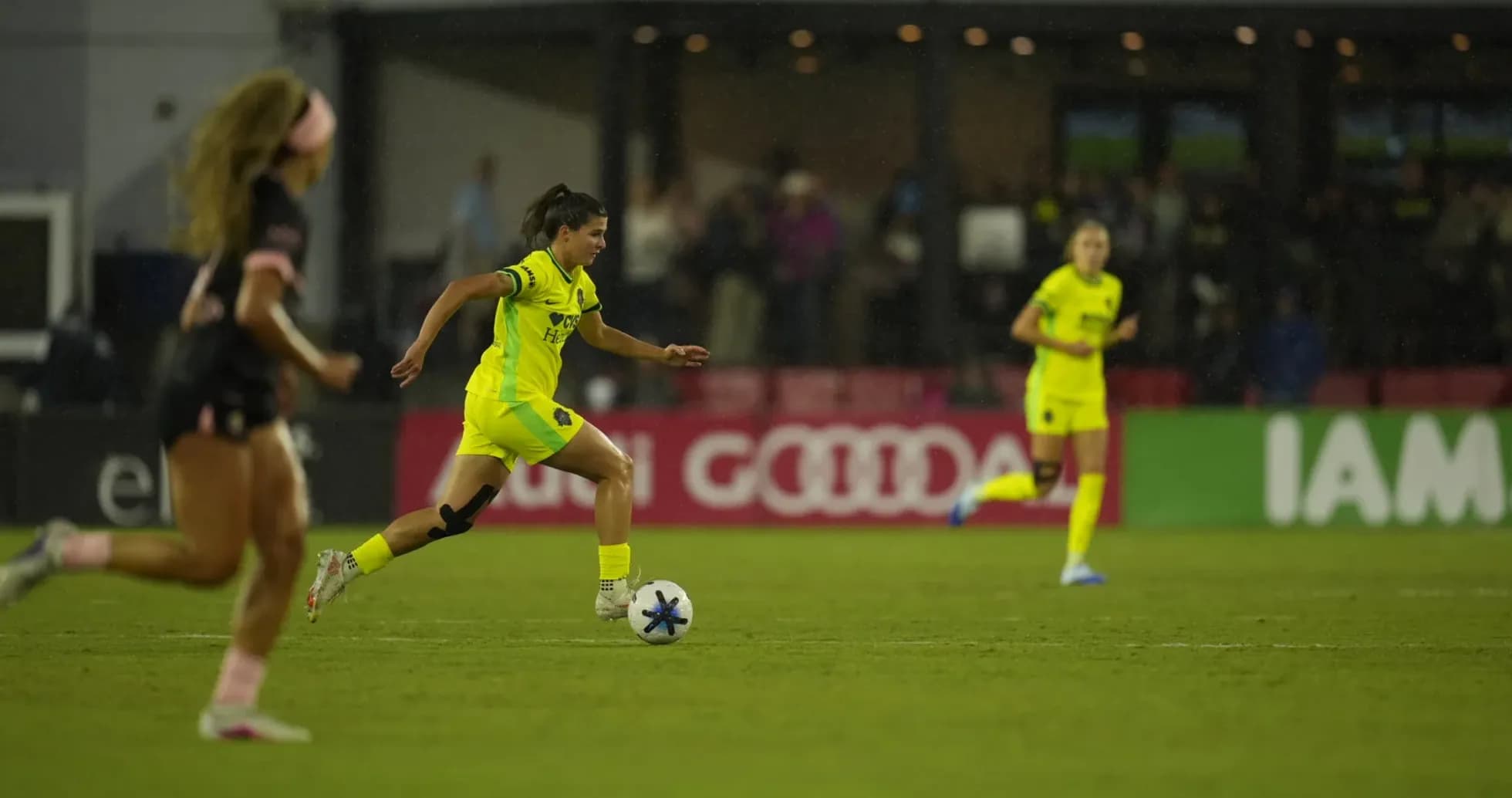
San Diego’s version of the 4-2-3-1 was far more aggressive. D. Haracic started in goal behind a back four of P. Morroni, K. McNabb, K. Wesley and A. D. Van Zanten. In front, K. Dali and K. Ascanio formed the double pivot, with a devastating line of three – Dudinha, L. E. Godfrey and M. Barcenas – supporting Ludmila up top. This is where the league context sharpened into a single image: Dudinha and L. E. Godfrey are both among the competition’s most productive attackers, each with 4 goals in total this campaign, and Dudinha adding 4 assists to sit atop the assists charts.
Game Dynamics
The “Hunter vs Shield” battle was therefore obvious. San Diego’s hunters – especially Dudinha, who has produced 17 shots, 9 on target, and completed 24 of 40 dribbles – were set to probe a Houston back line that, overall, has allowed 1.7 goals per game and failed to keep a clean sheet in 7 of 10 league outings. At home, Houston concede 1.7 per match, the same as they score, a knife-edge that this 2–2 result ultimately embodied.
On the other side, Houston’s own attacking threat has been more understated but no less important. Their top scorer in the league, K. van Zanten, did not start here, but her 4 goals in 7 appearances and 11 total shots have forced opponents to respect Houston’s ability to break lines. Without her from the opening whistle, more creative responsibility fell on M. Graham and A. Patterson between the lines, with Ullmark tasked with stretching San Diego’s centre-backs.
Engine Room Duel
The “Engine Room” duel was fought in the middle third. For Houston, Colaprico’s 220 passes and 8 key passes this season underline her role as the side’s distributor and shield. She also brings edge: 17 fouls drawn, 9 committed, and 3 yellow cards show a player who lives on the contact line. Across from her, K. Dali and K. Ascanio had to both progress the ball to the attacking trio and protect against Houston’s transitions. Behind them, Morroni’s presence at left-back added another layer of narrative: she leads the league in yellow cards with 4 and sits atop the red-card metrics list as well, a defender who defends on the front foot, with 31 tackles, 2 blocked shots and 9 interceptions. Her duels with Houston’s right-sided players, especially Rader and Patterson drifting wide, were always going to be a source of both progress and peril for San Diego.
Discipline
Discipline was a quiet but crucial undercurrent. Houston’s yellow-card distribution this season reveals a tendency toward late-game tension: 26.67% of their yellows arrive between 16-30 minutes, another 26.67% between 46-60, and again 26.67% between 76-90, with an additional 13.33% in added time between 91-105. San Diego’s bookings are more evenly spread, but they also show a late-game spike, with 20.00% of their yellows in each of the 46-60, 61-75, 76-90 and 91-105 windows. In a match that finished 2–2, that shared tendency toward late fouls hinted at how frantic the closing stages were likely to be, even if the raw card data for this fixture is not listed.
Statistical Prognosis
From a statistical prognosis standpoint, this draw felt like a meeting of opposing curves. Houston came in with a form line of “WWLWLDLLLD”, a season oscillating between promise and relapse, yet at home their 1.7 goals scored per match hinted at the capacity to hurt even a top-two side. San Diego’s “LWWWWWLLWWD” run showcased a team capable of long winning streaks, particularly on their travels, where they have averaged 1.7 goals for and only 1.3 against.
Following this result, the numbers still favour San Diego over the long term: their total goal difference of +5, their capacity to win away, and the dual threat of Dudinha and Godfrey suggest their xG and underlying attacking metrics will continue to outstrip most opponents. Yet Houston’s ability to go toe-to-toe in a 2–2 at home, against one of the league’s most efficient away sides, suggests that Gautrat’s shift toward a 4-2-3-1 can give the Dash a more stable platform.
In narrative terms, this match was less about the two goals each side scored and more about the evolving identities. San Diego remain the hunter, sharpening their weapons on the road. Houston, still 12th but with a home record that reads as much like a warning as a weakness, are slowly learning how to be the shield that does not crack under pressure – and, as this 2–2 showed, how to hit back when it does.