Pittsburgh Riverhounds Edge Indy Eleven 1–0 in Tactical Showdown
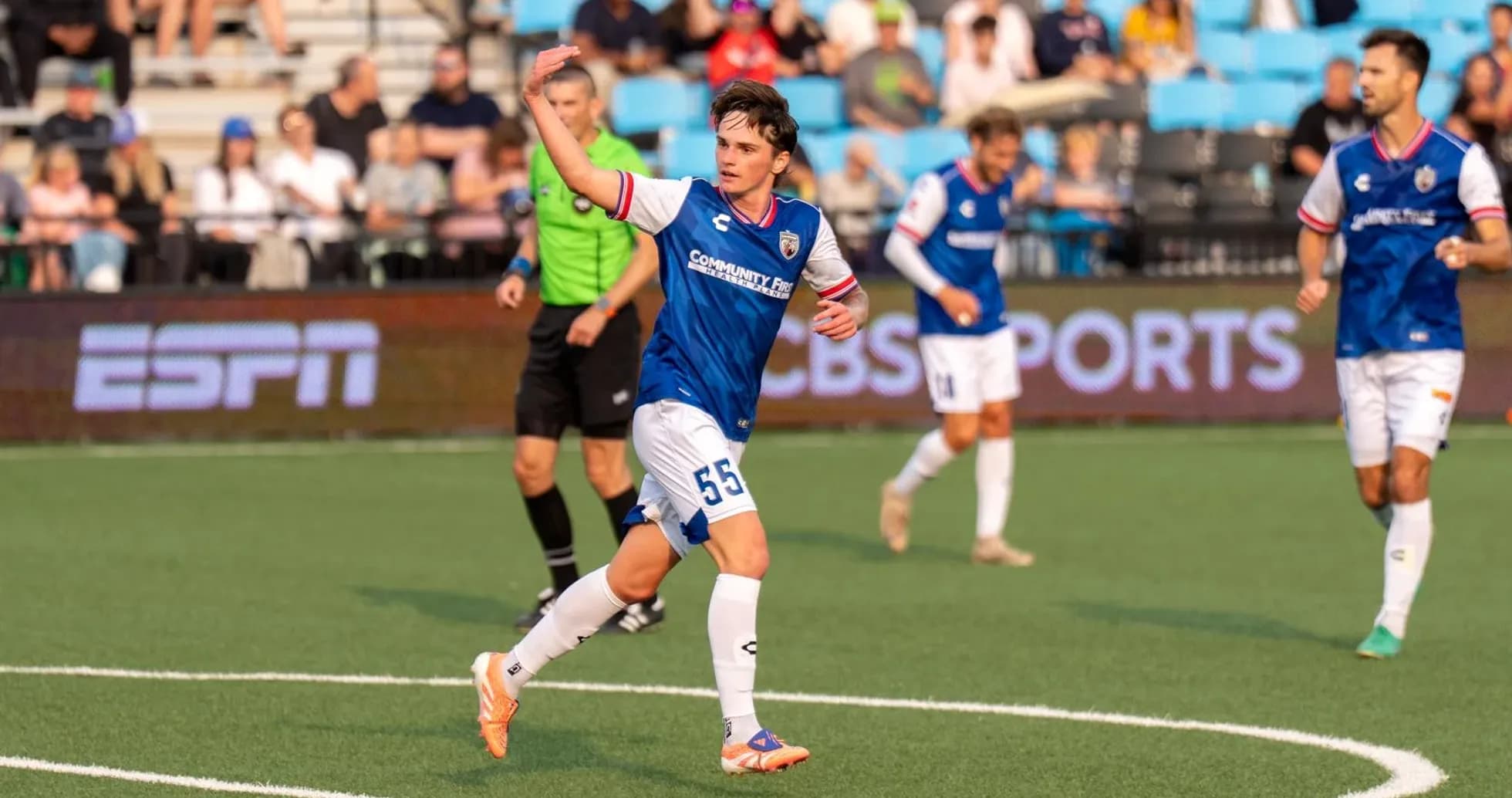
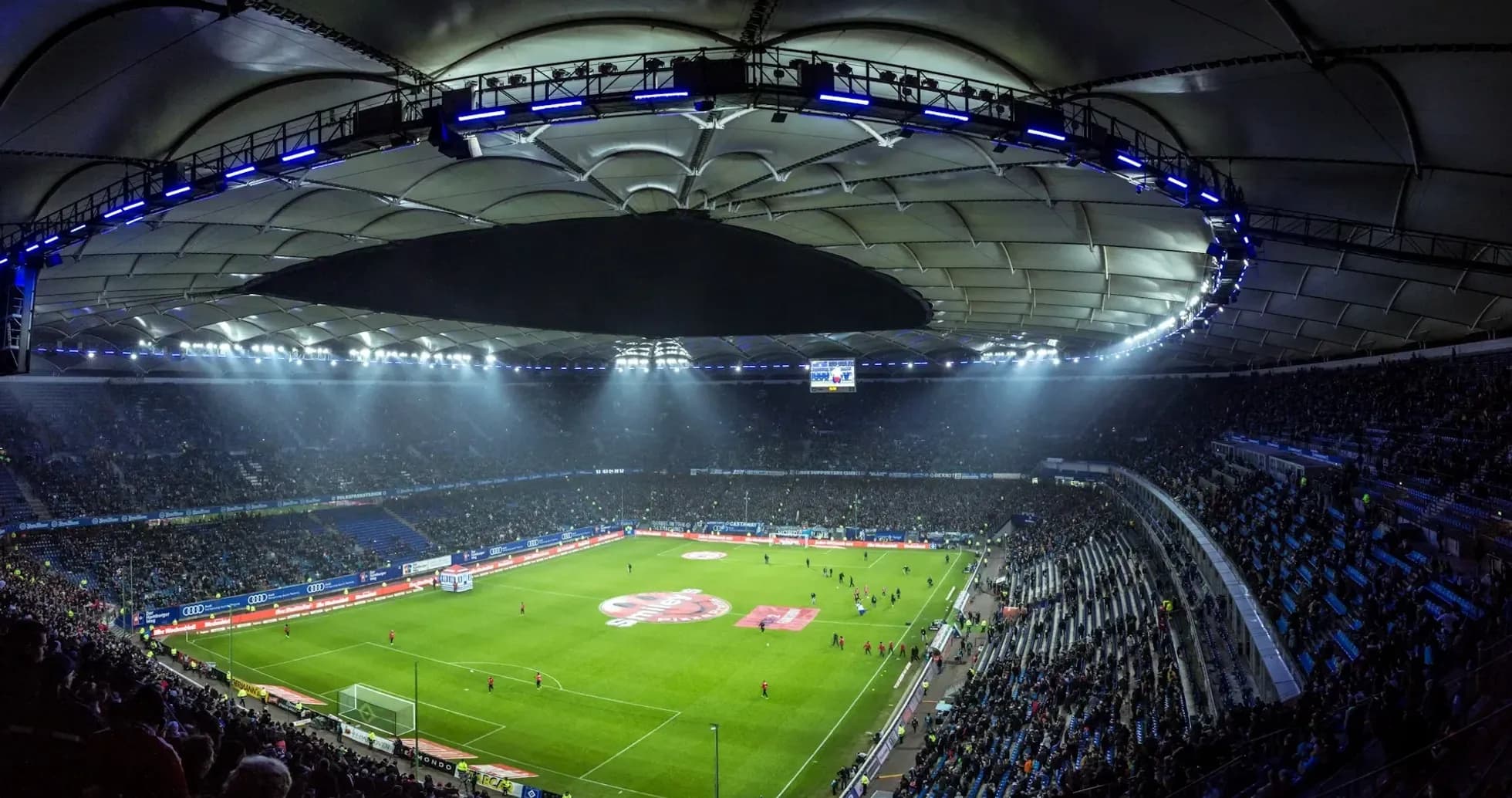
Under the Highmark Stadium lights, Pittsburgh Riverhounds edged a tense, tactical Group Stage contest in the USL Championship, defeating Indy Eleven 1–0 in a meeting of near-neighbours in the table. Heading into this game, Pittsburgh sat 5th with 19 points and a goal difference of 2 (15 goals for, 13 against), while Indy trailed by a single point in 6th, boasting a slightly stronger goal difference of 4 (16 goals for, 12 against). It felt like a playoff dress rehearsal, and the match played out with that same cagey, attritional edge.
Pittsburgh’s seasonal identity at home has been clear: pragmatic, efficient, and defensively tight. At Highmark, they had taken 4 wins from 5, scoring 8 and conceding just 4, averaging 1.6 goals for and 0.8 against per home game. Indy arrived as a strange hybrid: dominant at home with 5 wins and 12 goals in 6 matches, but hesitant on their travels, where they had yet to win in 5 away fixtures, scoring 4 and conceding 7 with an away goals-for average of only 0.8. The final 1–0 scoreline fit those trajectories perfectly: Pittsburgh grinding out another home win; Indy once again unable to translate their home swagger onto the road.
Rob Vincent’s Riverhounds XI was built on structure and familiarity. N. Campuzano in goal anchored a back line featuring P. Barnes, V. Souza, O. Mikoy and L. Kelp, a group that mirrored the team’s season-long defensive solidity at home. Ahead of them, the engine of E. Goldthorp, R. Mertz and D. Griffin provided legs and balance, while M. Viera and C. Ahl worked close to central forward A. Dikwa, the notional spearhead of the attack.
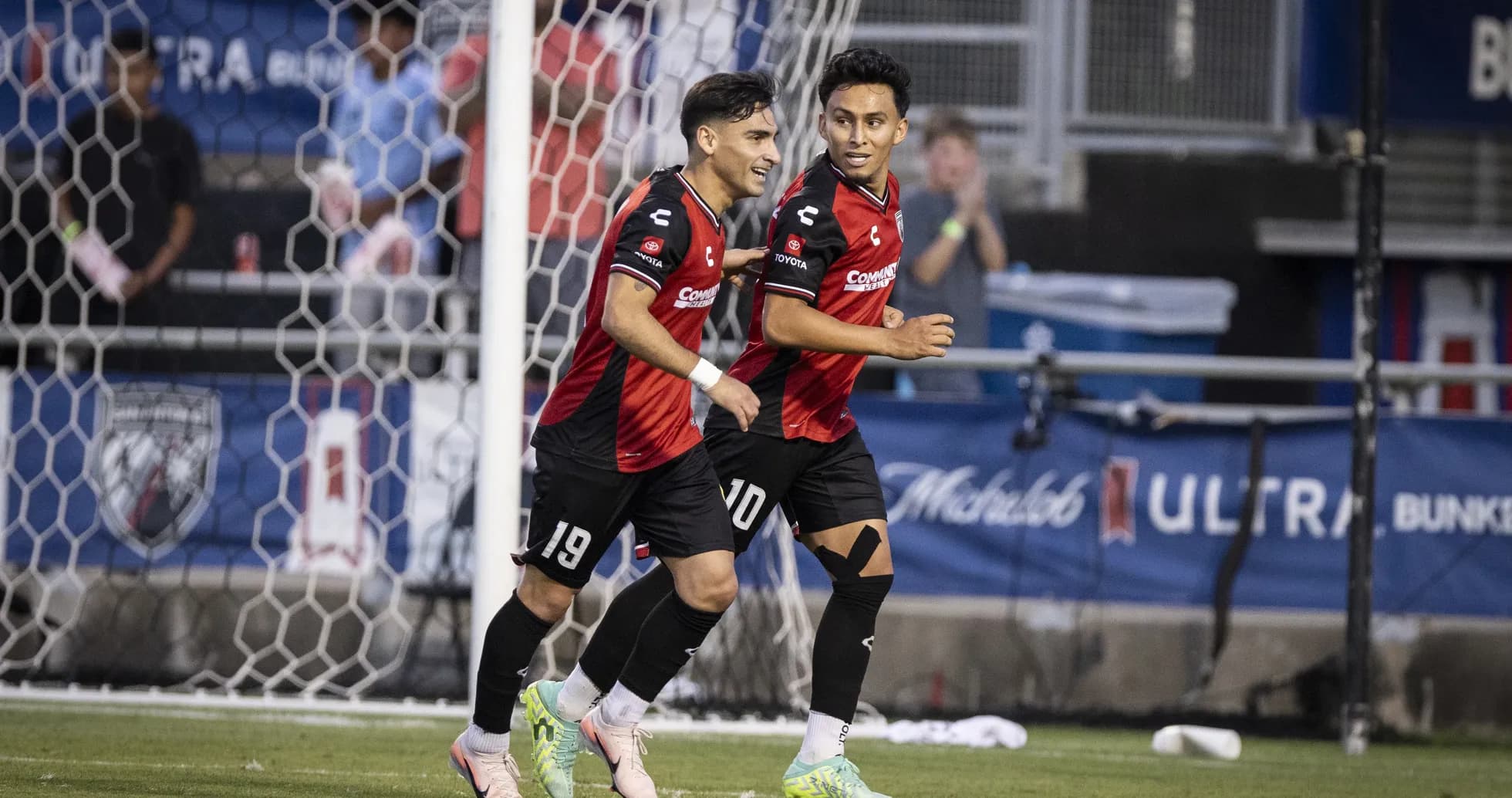
Sean McAuley’s Indy Eleven answered with a side shaped to control the middle and break quickly. E. Dick started between the posts, shielded by a defensive unit including L. Neidlinger, M. Rasheed, P. Craig and A. Mitrano. In midfield, the technical C. Lindley and B. Rendon were paired with J. O’Brien and J. Blake, while L. Mesanvi and E. Kizza offered vertical threat up front. On paper, it was a side designed to circulate possession and then attack space, but their broader away pattern this season – 0 wins, 2 draws, 3 defeats – hinted at a recurring disconnect in the final third.
With no injuries or suspensions listed, both coaches had their core groups available, and the tactical voids were less about absentees and more about psychological habits. Pittsburgh, whose all-competition form line read LWLWDLWLWWW, came in on a quietly impressive upswing, while Indy’s LWWWL in the standings snapshot revealed a team oscillating between sharp spells and abrupt setbacks. Discipline-wise, season data painted a picture of two sides who live on the competitive edge but rarely cross the red line: Pittsburgh’s yellow cards are spread across the match, with notable spikes at 31–45 minutes and 76–90 minutes (both 20.00%), while Indy’s bookings peak at 31–45 minutes (26.32%) and 76–90 minutes (21.05%). It set the stage for a contest that would likely tighten and grow more combustible either side of half-time and in the closing stretch.
Key Matchups
Within that frame, several key matchups defined the narrative. The “Hunter vs Shield” battle centred on Pittsburgh’s forward line, with Dikwa as the reference point, against an Indy defence that, on their travels, had been reasonably solid numerically (7 conceded in 5, an away average of 1.4) but too often undone by isolated lapses. Pittsburgh’s home attack, averaging 1.6 goals per match, does not overwhelm opponents with volume; instead, it relies on timing and compact support. Viera and Ahl’s positioning around Dikwa, and the late-arriving runs of Mertz and Goldthorp, constantly asked questions of P. Craig and M. Rasheed in particular, forcing them to choose between stepping into midfield or holding the line.
The “Engine Room” duel was equally decisive. Lindley’s role as Indy's distributor brought him directly up against Griffin and Mertz, who were tasked with disrupting his rhythm and preventing clean service into Mesanvi and Kizza. Pittsburgh’s overall goals-against average of 1.2 per game, combined with 3 clean sheets in 11 matches, underlined their ability to compress space between the lines. Indy, for their part, had been potent overall with 16 goals in 11 games (a total average of 1.5), but that figure was heavily skewed by their home form; on their travels, they had managed only 4 goals in 5 matches. Highmark once again proved a difficult laboratory for their possession ideas to become chances.
From a statistical prognosis standpoint, the result feels like the logical intersection of both teams’ seasonal curves. Pittsburgh’s home defensive record – 4 conceded in 5, with 2 clean sheets – always suggested that a single goal might be enough if they could maintain structure and limit transitions. Their penalty profile, with 2 taken and 2 scored overall (100.00% conversion and no misses), also hinted at a side comfortable in high-pressure, fine-margin scenarios, even though no spot-kick was needed here. Indy, by contrast, arrived with just 1 clean sheet in 11 matches overall and a tendency to concede in the more emotionally volatile phases of the game, as reflected by their yellow-card spikes before half-time and late on.
Tactical Lessons
Following this result, the tactical lesson is clear. Pittsburgh’s current identity is that of a playoff-style side already: compact, disciplined, and ruthless in home fixtures, where they now have 4 wins from 5 and continue to concede less than a goal per game. Indy remain a paradox – a formidable force at home with a home goals-for average of 2.0, but on their travels still searching for the aggression and clarity needed to turn tidy build-up into decisive xG. Until they solve that away riddle, nights like this at Highmark Stadium will continue to tilt towards the Riverhounds’ controlled, attritional script.