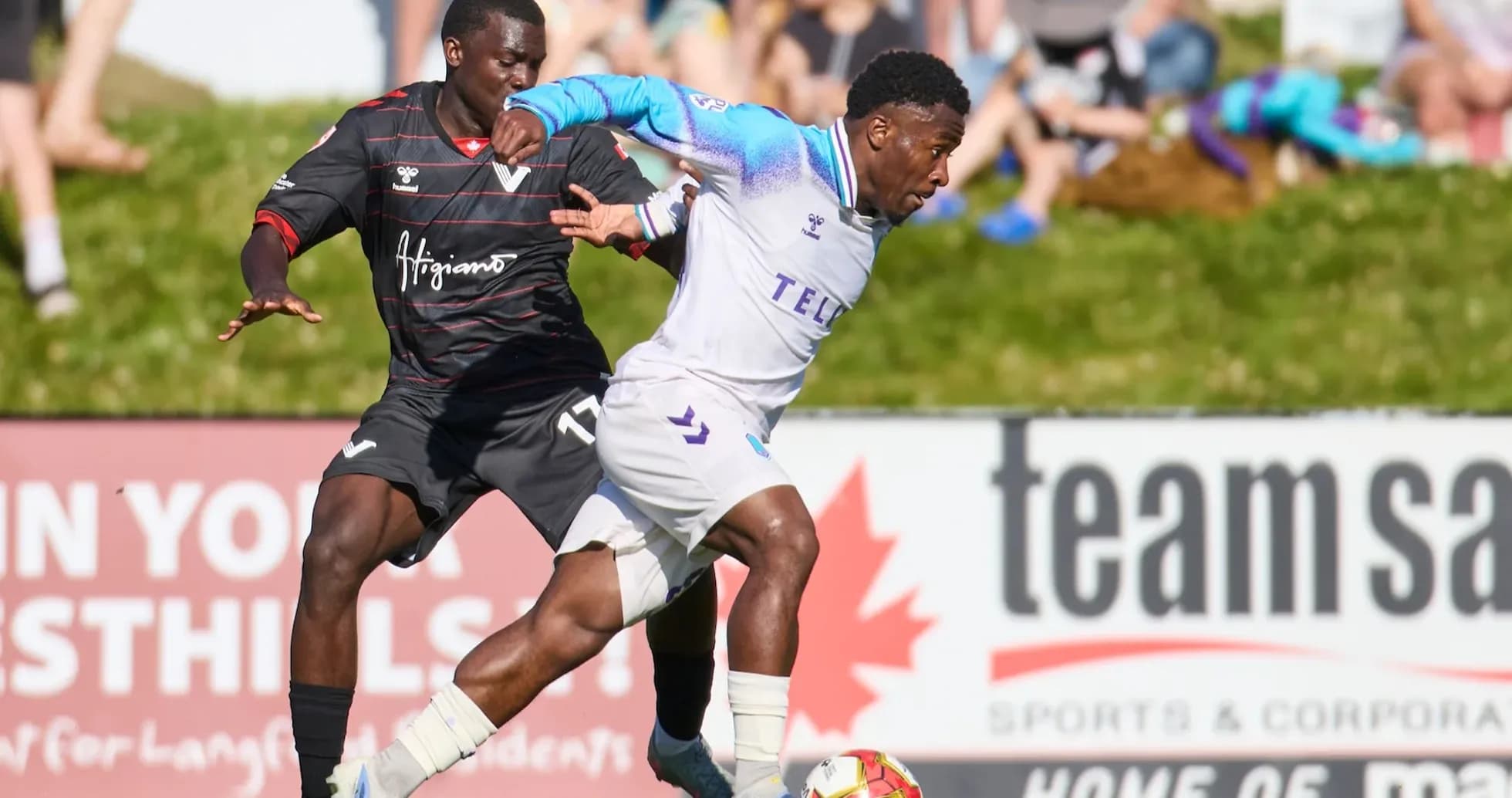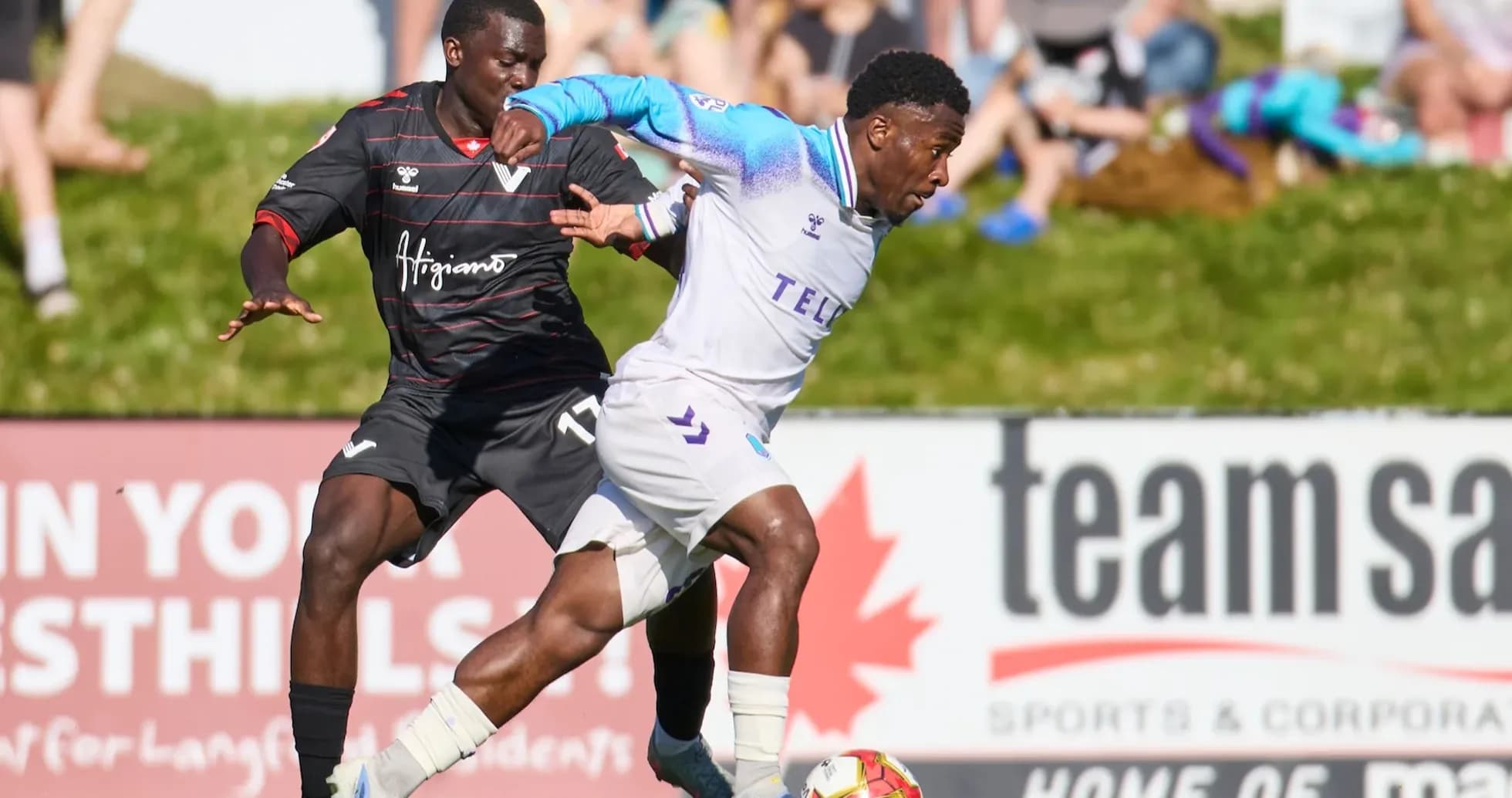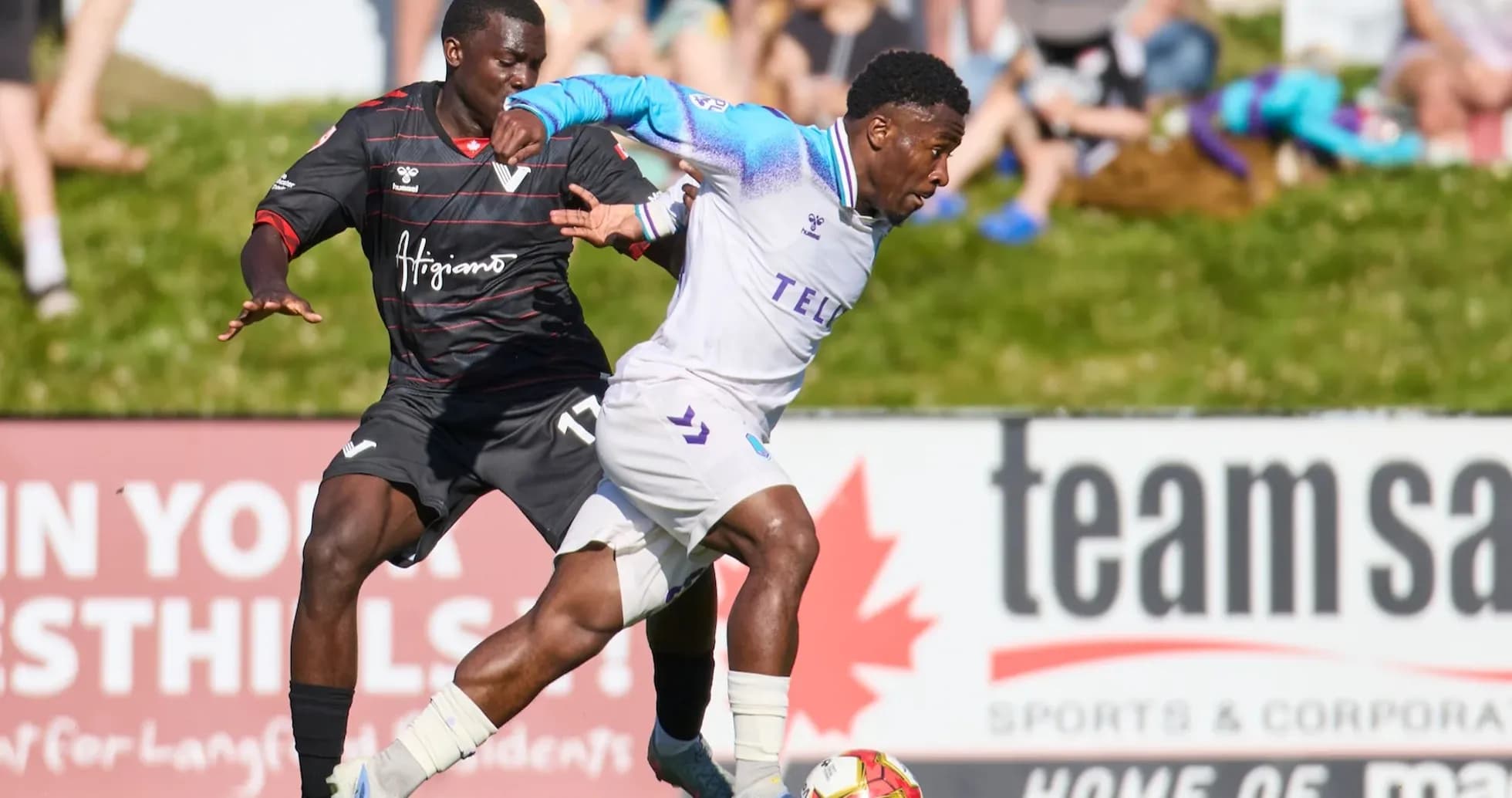
Pacific FC vs Vancouver FC: A Derby of Survival and Pride
A late-summer night at Starlight Stadium will frame another chapter of the British Columbia derby as Pacific FC host Vancouver FC on 20 September 2026. For Pacific, rooted to the bottom of the Canadian Premier League table, this is about survival and pride in front of their own fans. For Vancouver, still in the top half and chasing the playoffs, it is a chance to steady a wobble and tighten their grip on a precious postseason spot in one of the league’s most emotionally charged fixtures.
Season Context
Pacific FC arrive in deep trouble. They sit 8th with just 10 points from 21 matches, having won only once all year (1 win, 7 draws, 13 defeats). A goal difference of -18 underlines the scale of their problems, with 25 goals scored and 43 conceded. At home they have struggled badly as well, taking just 1 win in 11 attempts and allowing 21 goals in those matches.
Vancouver FC, by contrast, occupy 4th place with 30 points from 22 games and remain firmly in the playoff conversation. Their record of 9 wins, 3 draws and 10 losses is inconsistent but clearly superior, backed by 30 goals scored and 28 conceded. Away from home they are less convincing (3 wins, 1 draw, 7 losses, 13 goals for and 17 against), yet they still carry far more momentum and stability than their island rivals.
Form & Momentum
Pacific FC’s recent form line of LDDWL captures a season of frustration. They are hard to beat at times but rarely able to turn performances into victories, as shown by just 1 win in 21 league matches and an average of 1.2 goals scored but 2.0 conceded per game (25 for, 43 against). The numbers paint a team that can create but is repeatedly undone by defensive lapses.
Vancouver FC’s run of LWLLL is equally concerning in the short term, hinting at a side that has lost its way after a stronger mid-season spell. Even so, across 22 matches they have kept their goal difference positive (30 scored, 28 conceded), suggesting a more balanced outfit that, despite a recent slump, still finds ways to stay competitive and threaten in attack.
Head-to-Head Patterns
This derby has been tight and often dramatic over the past two calendar years. Most recently, the sides shared the points in a 1-1 draw at Willoughby Community Park (Canadian Premier League, season 2026, August 2026), with Vancouver FC as hosts and Pacific FC fighting back after trailing at half-time. Earlier in the same campaign, Vancouver edged a 2-1 home win at Willoughby Community Park Stadium (Canadian Premier League, season 2026, June 2026), again overturning a deficit after Pacific struck first. At Starlight Stadium in May 2026, Vancouver claimed a statement 3-1 away victory (Canadian Premier League, season 2026, May 2026), punishing Pacific’s defensive frailty in front of their own supporters.
Tactical Preview
Pacific FC have leaned heavily on a 4-2-3-1 structure, used in 9 matches, seeking control through a double pivot and creative midfielders between the lines. Despite their poor record, they average 1.2 goals per game (25 in 21 matches), which hints at some attacking threat. Alejandro Díaz, with 5 league goals from 18 appearances, is a key reference in the box, while playmaker Marco Bustos contributes with 2 goals and significant creative output. Wide midfielder Yann Toualy adds direct running and end product, with 5 assists in 19 appearances, and his ability to carry the ball (35 dribble attempts, 20 successful) is vital for breaking pressure.
Defensively, Pacific are vulnerable, conceding 43 goals in 21 league games (just over 2 per match). Even with strong individual defenders like Diego Konincks, who combines 3 goals with 19 interceptions and 90% passing accuracy, the back line has struggled to protect the penalty area. Discipline is another concern: several Pacific players feature prominently in red-card statistics, with Josh Heard, Juan David Quintana and Marco Bustos all having been sent off this year, a sign of how often they end up under intense pressure.
Vancouver FC also favour a 4-2-3-1 base (7 matches), occasionally shifting into 4-4-2 or 4-3-3 to adjust their attacking balance. They average 1.4 goals per game (30 in 22 matches), built around a diverse front line. Terran Campbell has 4 goals in 21 appearances, offering movement and work rate, while Lys Mousset adds another 3 goals and 1 assist with a more physical presence. Young winger Thierno Elage Bah is a two-way engine: 3 goals, 1 assist, 21 tackles and 119 duels contested, making him central to Vancouver’s pressing and transition play.
At the back, Vancouver are more solid than Pacific, conceding 28 goals in 22 matches (1.3 per game). Midfielder Marcello Polisi helps shield the defence with 16 tackles, 3 blocks and 5 interceptions, and his 415 completed passes at 85% accuracy provide a calm outlet when building from deep. Vancouver’s away record remains patchy, but their structure and individual quality give them a clear edge in most tactical matchups, particularly in midfield control and defensive organisation.
Statistical Snapshot
- Competition: Canadian Premier League, season 2026 — 20 September 2026.
- Venue: Starlight Stadium, null.
- Prediction: Win or draw — Double chance : Pacific FC or draw.
- Win Probabilities: Home 35% / Draw 35% / Away 30%.
- Model: Pacific FC 50.7 — Vancouver FC 49.5.
Betting Verdict
The prediction model leans slightly towards the hosts avoiding defeat, with a double-chance angle on Pacific FC or draw supported by a 35% home win probability and 35% chance of a stalemate. Despite Pacific’s dreadful overall record (10 points from 21 games, -18 goal difference), their attack is not toothless and they have recently managed to take points off Vancouver, including the 1-1 draw in August 2026. Vancouver’s superior season numbers (30 points, positive goal difference) are offset by poor recent form (LWLLL) and a fragile away record (7 losses in 11). In a derby where margins have been thin and emotions high, siding with Pacific FC to stay unbeaten at home — rather than to win outright — looks the most defensible position based on both form lines and the head-to-head narrative.