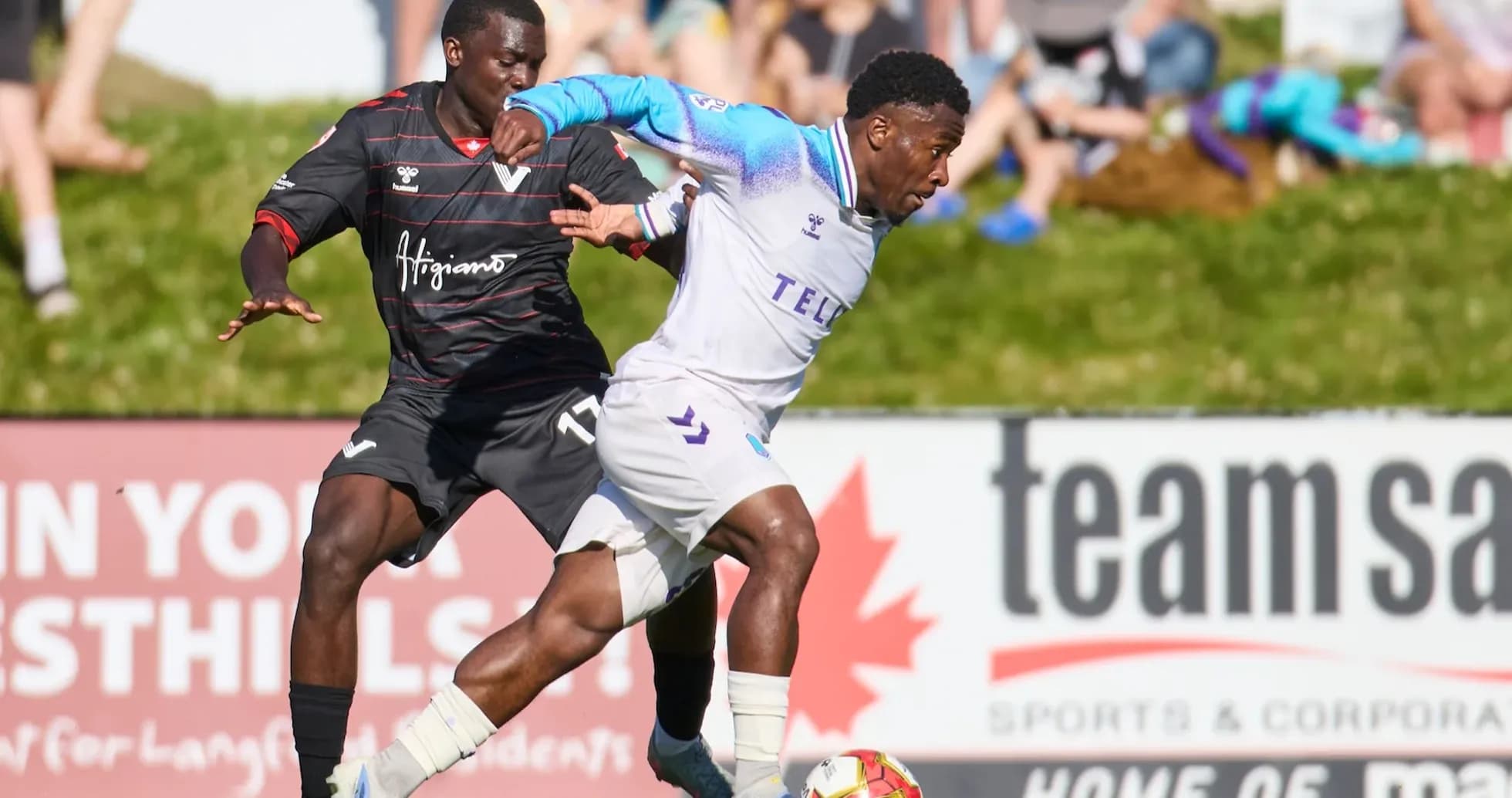
Pacific FC and Vancouver FC Draw: A Tactical Analysis
Westhills Stadium felt like a crossroads as Pacific FC and Vancouver FC walked out under the Langford lights. One team, Pacific, arrived as the league’s struggler, rooted in 8th with 11 points from 22 matches and a bruising overall goal difference of -18, built from 26 goals scored and 44 conceded. The other, Vancouver, sat 4th on 31 points after 23 games, their season a patchwork of streaks but ultimately positive, with an overall goal difference of 2 from 31 for and 29 against. The 1-1 draw that followed told a story of two clubs whose tactical identities are pulling in opposite directions, yet intersecting in a compelling way.
Pacific's Formation and Strategy
Terry Dunfield’s Pacific lined up in a 4-4-2, a departure from their more common 4-2-3-1 this season, a clear attempt to simplify and stiffen a side that has too often been porous. At home they had played 12 league games heading into this fixture, winning just 1, drawing 3 and losing 8, with 14 goals scored and 22 conceded. The numbers are stark: at home they average 1.2 goals for but 1.8 against, and overall they concede 2.0 per match. The late-game collapses have been brutal; 39.02% of their goals conceded this season have come between 76-90 minutes, part of a broader pattern where 68.29% of their concessions arrive after half-time.
Yet Dunfield’s XI had a spine that suggested quiet defiance. In goal, S. Melvin stood behind a back four of K. Chung, J. Quintana, D. Konincks and C. Greco-Taylor. Konincks, one of Pacific’s standout performers this season, brought more than just height and presence. Across the campaign he has scored 3 goals, added 1 assist and completed 672 passes at 90% accuracy, while winning 53 of 84 duels and blocking 5 shots. He is not just a stopper; he is a ball-playing pillar in a team that often bends under pressure.
Greco-Taylor, meanwhile, is the embodiment of Pacific’s defensive edge and risk: 30 tackles, 17 interceptions, 88 duels with 56 won, but also 5 yellow cards. He presses high, steps in aggressively, and in a side that concedes so many late, his willingness to front-foot defend can either break an opponent’s rhythm or crack the structure open.
Ahead of them, the midfield four of Y. Toualy, T. Gomulka, R. Juhmi and M. Bustos gave Pacific a technical core. Toualy is the creative heartbeat: 2 goals, 5 assists, 12 key passes and 36 dribble attempts with 20 successful, making him both the league’s leading assist provider and Pacific’s primary line-breaker. Bustos, with 2 goals, 1 assist and 18 key passes, adds a subtler craft between the lines, but he also carries a disciplinary shadow after a red card earlier in the campaign. Juhmi, who has 20 tackles, 8 interceptions and 6 yellow cards, is the enforcer who allows the artists to work, even if his aggression flirts with danger.
Up front, R. Kratt and A. Daniels offered running and physicality, but the real threat sat on the bench in A. Díaz. With 5 goals, 1 assist and a perfect 3-from-3 record from the spot this season, Díaz is Pacific’s most reliable finisher. His 12 shots with 7 on target underline his efficiency, and his presence as a substitute gives Dunfield a late-game lever when the match tilts into chaos — a useful weapon for a team that scores 24.14% of its goals between 46-60 minutes and another 34.48% between 61-90.
Vancouver's Structure and Approach
On the other side, Vancouver arrived with a more stable identity. Their 4-2-3-1 under M. Nash has been the most-used shape this season, and it appeared again here. C. Irving anchored the side in goal, protected by a back four of M. Doner, M. Campagna, Thomas Geoffrey Field and K. Proctor. Vancouver’s defensive record is respectable: overall they concede 1.3 goals per match, with 11 against at home and 18 away. On their travels, they had played 12 times heading into this game, winning 3, drawing 2 and losing 7, scoring 14 and conceding 18 — an away average of 1.2 goals scored and 1.5 conceded.
The double pivot of Benjamin Lee and L. Toomey set the platform, but the real narrative threads lay further forward. In the “three” behind the striker, T. Bah, M. Polisi and M. Amissi carried both creativity and edge. Bah, with 3 goals, 1 assist, 23 dribble attempts (12 successful) and 26 fouls drawn, is Vancouver’s chaos agent, capable of unpicking a defence or dragging it into uncomfortable duels. He also brings a disciplinary risk with 5 yellow cards.
Polisi is the metronome with a bite: 456 passes at 85% accuracy, 18 tackles, 3 blocks, 6 interceptions and 6 yellow cards. He is the league’s top yellow-carded player in this fixture, the kind of midfielder who will happily absorb a booking to halt a counter. Against a Pacific side that scores 24.14% of its goals between 46-60 minutes, his role in killing transitions is crucial.
Up top, T. Campbell led the line, a forward who has 4 goals this season from 12 shots and has been used both as starter and impact substitute across 22 appearances. He is complemented by bench firepower in L. Mousset, who has 3 goals and 1 assist in 17 games, plus a 1-from-1 record from the penalty spot. Together, they give Vancouver options to change the profile of their attack as legs tire.
Disciplinary Context
The disciplinary subtext to this derby is impossible to ignore. Pacific’s season-long card map shows a late-game surge in yellows — 16.67% between 76-90 minutes and a remarkable 26.19% in added time. Their reds are even more concentrated: 66.67% in the 76-90 window, 16.67% between 31-45 and another 16.67% in stoppage. Vancouver, by contrast, have no reds this season but a steady yellow accumulation, peaking at 23.68% between 76-90 and 21.05% between 46-60. This is a fixture built to fray as it wears on.
Key Matchup
From a “Hunter vs Shield” perspective, the duel between Pacific’s attacking catalysts and Vancouver’s defensive structure is finely balanced. Pacific’s overall scoring average of 1.2 per game runs into a Vancouver defence that, while sturdier, can be exposed away from home. The key intersection lies late: Pacific’s offensive output is spread, but their most productive spell is 46-60 minutes with 24.14% of their goals, immediately followed by Vancouver’s tendency to pick up cards and lose some control in that same period.
Midfield Battle
In the “Engine Room”, the battle between Toualy and Bustos on one side and Polisi and Bah on the other defines the tempo. Toualy’s 12 key passes and 20 successful dribbles face a midfield that defends aggressively through Polisi and presses relentlessly through Bah. Juhmi’s 20 tackles and 6 yellow cards suggest he will be asked to disrupt Vancouver’s build-up, especially through the inside channels where Bah likes to receive.
Statistical Overview
Set against the season-long numbers, a draw feels like the statistical equilibrium. Pacific’s overall record of 1 win, 8 draws and 13 defeats, combined with their single home victory, hints at a side more likely to share points than seize them. Vancouver, with 9 wins, 4 draws and 10 losses overall, and a patchy away record, are dangerous but not dominant on their travels.
From an xG-style prognosis, Pacific’s consistent 1.2 scoring and 2.0 conceding profile suggests they typically live in games where they are out-chanced but not obliterated. Vancouver’s 1.3 scored and 1.3 conceded overall paints them as a balance-of-probabilities side: when their press and transitions click, they can blow teams away, but they are equally capable of being dragged into attritional battles.
Layer in the penalty data — Pacific’s 3 penalties scored from 3, Vancouver’s 2 from 2, both with no misses — and you get two teams who, if the moment comes from the spot, are ruthlessly efficient.
In the end, the 1-1 scoreline at Westhills Stadium felt less like a one-off and more like a mirror of both clubs’ seasonal truths: Pacific, stubborn and fragile in equal measure, clinging to points; Vancouver, superior in structure but still learning how to turn control into consistent away victories. As the final whistle cut through the Langford night, the tactical story was clear: the margins between these British Columbia rivals are narrow, but the trajectories they are on could not feel more different.