New Zealand Withdraws Support for FIFA President Infantino
New Zealand has broken ranks.
The only Oceania nation heading to this year’s World Cup has pulled its support for FIFA president Gianni Infantino’s re-election bid, sharpening the backlash over his aborted plan to sell a stake in the organisation’s commercial rights.
At the same time, his own regional base has chosen a different path. The Oceania Football Confederation (OFC) offered cautious backing for FIFA’s current leadership, praising the growth of the game in the Pacific under Infantino while sidestepping any outright endorsement of his contested proposal.
A president under siege
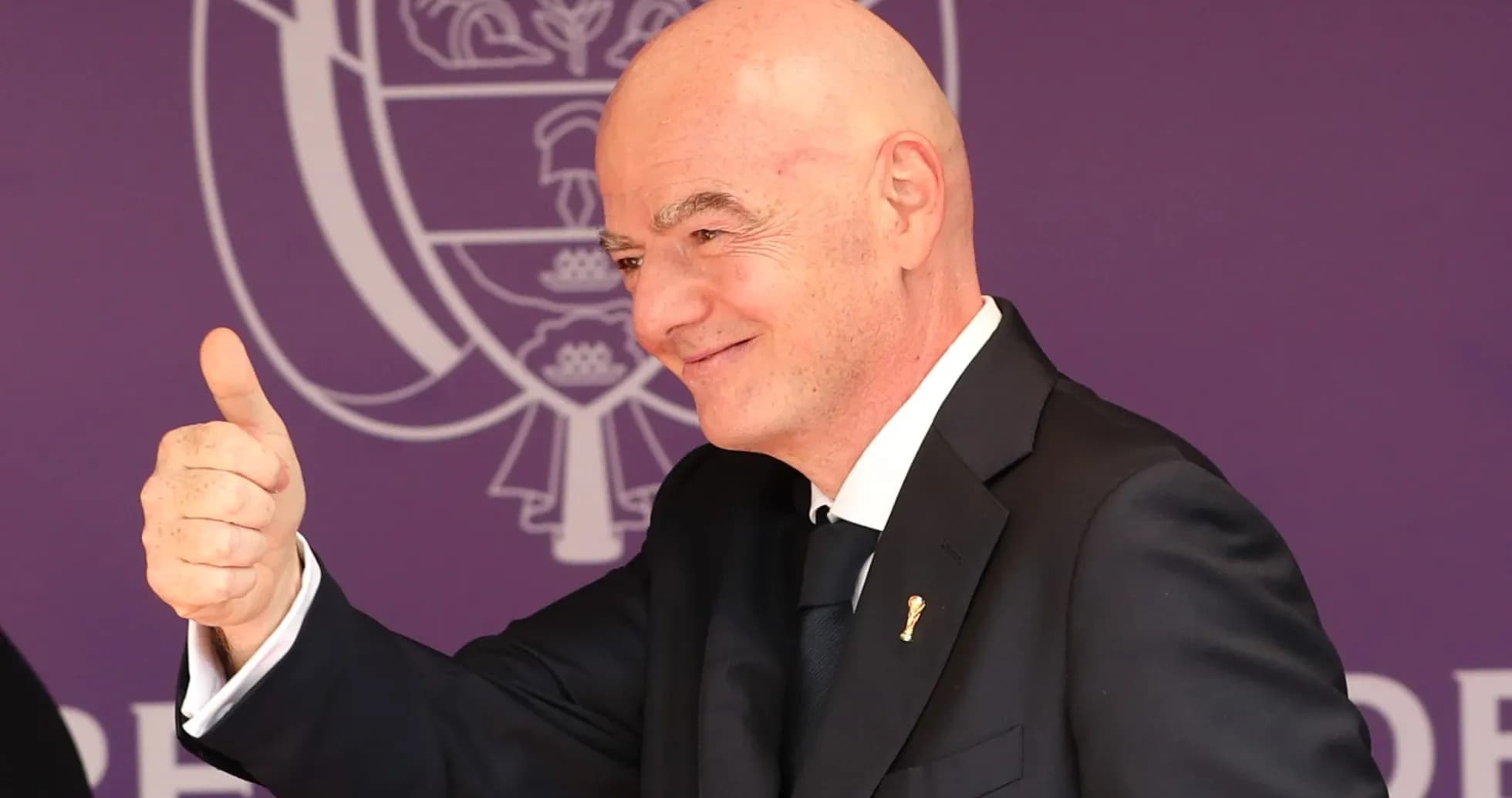
Infantino is chasing a fourth term at the helm of world football and will stand again at the FIFA Congress next year. On paper, he still looks strong: the African and South American confederations have already pledged their support.
But the political map around him has shifted.
Three powerful confederations – UEFA in Europe, the Asian Football Confederation and CONCACAF, which covers North and Central America and the Caribbean – have demanded a review of his leadership and condemned his handling of the failed investment scheme. Together, they represent 136 of FIFA’s 211 voting member associations.
New Zealand has now added its name to the list of dissenters.
On Friday, New Zealand Football confirmed it had withdrawn support for Infantino and called for an independent investigation into the scrapped stake sale, citing a loss of confidence and trust in FIFA’s leadership.
“We’ve called for an independent review specifically because what we don’t want to see is a sort of in-house quick washover of this,” NZF chief executive Andrew Pragnell told Reuters. “An independent review is something else that has been called for by other confederations that will help restore some of the trust.”
The deal that detonated the backlash
The flashpoint is the now-abandoned FIFA Forward Enterprise proposal.
Infantino had pushed a plan to carve off commercial rights to the World Cup and other competitions, selling 20 percent to private investors in a deal aimed at raising about $4.2bn. The offer was sweetened with a promised $20m grant for each member association in the next funding cycle, with the possibility of doubling that figure if they signed up.
The scale of the backlash forced a U-turn. The proposal was withdrawn, and after a crisis meeting in Morocco last week, FIFA apologised to its 211 members for “mistakes” in how the project was handled. The organisation insisted its leadership still enjoyed full support for Infantino.
New Zealand is not buying that line. Nor are several of the sport’s most influential blocs.
Pragnell wants the review to go beyond the headline numbers and dig into the mechanics of power at FIFA – who knew what, who signed off, and who stood to benefit. He stressed that the process must also examine how Thrive Capital, an investment firm with close family ties to former US president Donald Trump, came to be lined up for a leading role in the venture.
“I think the scope needs to be considered really carefully, but what’s most important is that all confederations should agree on the scope, and it needs to get under way with urgency,” he said.
Oceania walks a tightrope
While New Zealand has taken a clear stand, its regional confederation has opted for a more diplomatic route.
In a statement, the OFC said it welcomed FIFA’s decision to pull the proposal and highlighted the growth of football in the region over the past decade under the current leadership.
“OFC recognises the progress achieved over the last decade in advancing football development in Oceania under FIFA’s leadership and encourages FIFA to use the review as an opportunity to identify and implement any changes that may be necessary,” it said.
That line keeps Oceania inside the tent, but it also nudges FIFA towards a more searching review – a subtle shift, rather than an open revolt.
Australia, an AFC member, has already backed the Asian confederation’s call for an independent review, though it has not publicly taken a position on Infantino himself. “Based on what we’ve seen, including [Australia’s] commitment to the AFC statement, we’re strongly aligned,” Pragnell said, underlining a growing Antipodean front.
Allies still holding firm
For all the noise, Infantino is far from isolated.
Six heads of Arab national associations, including Qatar and 2030 World Cup co-host Morocco, issued a firm show of support on Thursday, praising his “sustained efforts to advance football globally”. The Confederation of African Football’s executive committee also unanimously confirmed its backing, even if that does not automatically guarantee a bloc vote from all 54 African members when ballots are cast in March.
Those alliances matter. In a FIFA election, numbers are everything.
The question now is whether the demand for an independent, far-reaching review of the failed commercial rights deal will remain a political nuisance, or whether it becomes the wedge that pries open the door on how power and money really move inside world football’s most powerful institution.