New York City II Triumphs Over Chicago Fire II in MLS Next Pro Clash
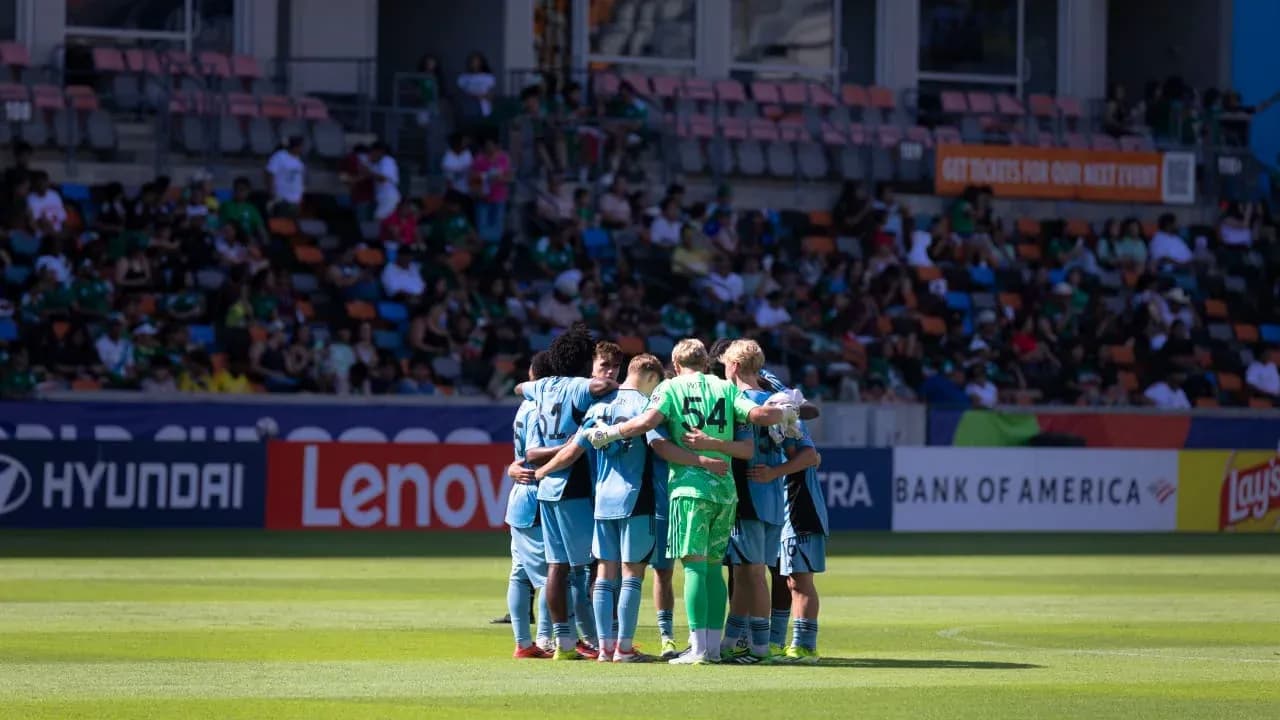
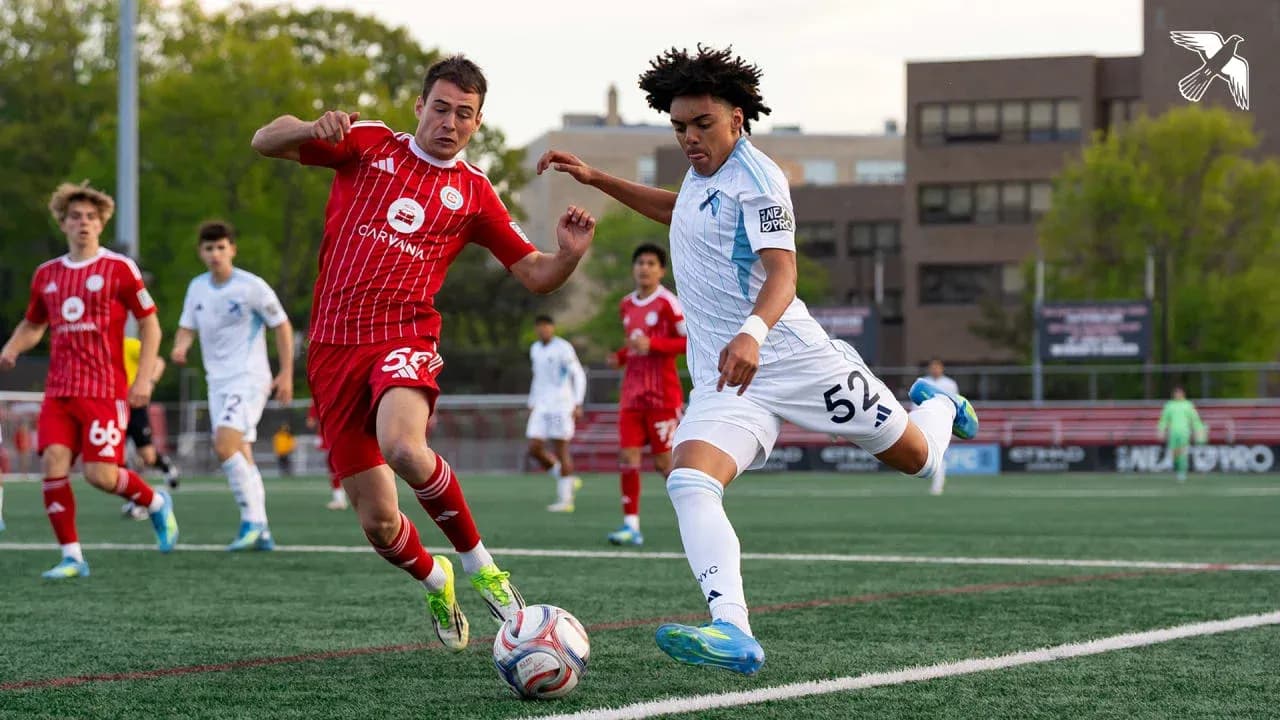
Belson Stadium under the New York lights staged a quietly pivotal MLS Next Pro night, one that said as much about the squads’ evolving identities as it did about the 2–1 scoreline in favour of New York City II over Chicago Fire II. In a league built on development and volatility, this was a meeting of two sides arriving with contrasting trajectories: New York City II inconsistent but formidable at home, Chicago Fire II more balanced across home and away yet wrestling with their own defensive leaks.
Heading into this game, New York City II sat on 9 points from 7 matches in the Eastern Conference, ranked 12th in that broader table and 6th in the Northeast Division. Their overall goal difference stood at -5, with 7 goals scored and 12 conceded in total this campaign. The split between home and away painted a stark picture of a team heavily reliant on Belson Stadium: at home they had scored 6 and conceded 8, while on their travels they had managed just 1 goal and allowed 4. Chicago Fire II arrived slightly better placed in their own context: 10 points from 8 matches, 6th in the Central Division, with an overall goal difference of -2 in the team stats snapshot (10 goals for, 12 against in total). Their scoring pattern was notably symmetrical: 5 goals at home and 5 on their travels, conceding 7 at home and 5 away.
The seasonal DNA of both sides is defensive fragility wrapped around sporadic attacking clarity. New York City II’s total average of 1.0 goals for per game contrasted with 1.7 goals against in total, while Chicago Fire II’s total averages of 1.3 goals for and 1.5 against suggested a team more capable of trading blows but not yet in control of games. That dynamic played out in miniature here: New York City II built a 1–0 half-time lead and held their nerve to edge a 2–1 finish in regular time.
Tactical Overview
Tactically, New York City II’s starting XI was built around a youthful, fluid spine. With M. Learned wearing 31 and anchoring from the back, the defensive line of A. Campos, K. Acito, J. Suchecki and K. Smith had to manage a Chicago side that had already shown it could win on the road, with 2 away victories from 4 away fixtures. Ahead of them, the likes of J. Shore and M. Carrizo offered connective tissue between defence and attack, while K. Pierre and H. Hvatum provided width and verticality. At the sharp end, S. Reid and A. Farnos carried the burden of turning New York’s modest attacking averages into something more decisive.
Chicago Fire II’s selection underlined a more balanced but still experimental identity. J. Nemo in goal fronted a back line including D. Nigg, C. Cupps, J. Sandmeyer and H. Berg, a unit that had contributed to an away record of 3 goals for and 5 against. In midfield, C. Nagle, O. Pineda and D. Villanueva were tasked with controlling the rhythm against a New York side that, despite its issues, had won 3 of 4 at home. Further forward, R. Turdean, D. Hyte and D. Boltz formed the attacking trident, charged with stretching a defence that had yet to keep a single clean sheet in total this season.
The tactical voids were less about missing names—there was no confirmed injury list—and more about structural weaknesses. New York City II came into this match with 0 clean sheets in total and had already failed to score in 3 fixtures overall, a sign of a side that oscillates between incisive and blunt. Their disciplinary profile added a layer of volatility: yellow cards clustered late, with 35.71% of their total yellows arriving between 76–90 minutes and another 14.29% between 91–105. The single red card this season had also come in the 76–90 range, a reminder that New York’s intensity can spill over just when game management matters most.
Chicago Fire II, by contrast, spread their cautions more evenly across the match. Their yellow cards were distributed across 16–30, 31–45, 46–60, 61–75 and 76–90 minutes, each of those bands accounting for 10.00–20.00% of their bookings. That pattern suggests a side that competes consistently but rarely loses its head in one concentrated spell. Crucially, they had yet to see a red card in any minute range.
Match Analysis
Within this framework, the “Hunter vs Shield” matchup was less about a single star forward and more about collective tendencies. New York City II’s home attack, averaging 1.5 goals for per game at Belson, faced a Chicago away defence conceding 1.3 goals against on their travels. That slight edge in New York’s home firepower aligned with what unfolded: 2 goals scored against a Chicago unit that, in total, had already conceded 12 across 8 fixtures. Conversely, Chicago’s away attack, also averaging 1.3 goals for per game, tested a New York defence that had been allowing 2.0 goals against at home on average. Holding Chicago to a single goal marked a modest but meaningful step for a back line that had been too porous.
In the “Engine Room” battle, New York’s midfield trio—Shore, Carrizo and Pierre—were charged with disrupting Chicago’s more rhythmically consistent core of Nagle, Pineda and Villanueva. With Chicago having strung together a biggest winning streak of 3 in total earlier in the campaign, their central unit is clearly capable of controlling games when given time and space. New York’s compactness and willingness to foul in key phases, reflected in their card spikes, likely played a role in breaking that rhythm and forcing Chicago into more direct, less controlled attacking patterns.
From a statistical prognosis standpoint, this match looked pre-game like a clash tilted towards goals rather than control. New York’s total goals for and against combined to 19 across 7 matches (7 scored, 12 conceded), while Chicago’s total tallied 22 (10 scored, 12 conceded) over 8. Both sides had yet to draw a single match in total, a sign of volatility and late-game swings rather than cautious stalemates. A 2–1 home win fits that profile almost perfectly: narrow margins, both teams scoring, and the stronger home trend nudging the result.
Penalties added a subtle psychological layer. Chicago Fire II had taken 1 penalty in total this season and converted it, maintaining a 100.00% success rate, while New York City II had yet to win a single spot kick. There were no penalty goals here, but the underlying narrative remains: Chicago have a proven set-piece edge if they can engineer those moments, while New York’s route to goals still depends largely on open play patterns and set pieces outside the box.
Following this result, the broader story is of a New York City II side doubling down on their home fortress identity. With 3 home wins from 4 already in the books before this fixture and a home scoring average of 1.5 goals for per game, adding another 2–1 at Belson reinforces the notion that their season will be defined by what happens in Queens. Chicago Fire II, meanwhile, remain a paradox: 2 away wins and 2 away losses, scoring and conceding at similar clips, capable of both imposing themselves and being picked off.
In tactical terms, the night belonged to New York’s balance and their willingness to manage the chaos they themselves often create. The defence, led by Learned and shielded by an industrious midfield, bent but did not break against a Chicago side that usually finds a way to 1.3 goals for per game on their travels. The attack, with Reid and Farnos as key reference points, made just enough of their chances count to tilt the contest.
If an Expected Goals model were laid over this season’s numbers, it would likely show two sides whose xG for sits modestly above 1 per match and whose xG against hovers in the 1.3–1.7 band. That profile rarely produces sterile, low-event football. Instead, it generates exactly what Belson Stadium witnessed: an open, error-prone, development-league battle where the finer details of pressing triggers, late-game discipline and box defending decide outcomes. On this night, New York City II found just enough clarity in both boxes to turn their fragile home dominance into another three points, while Chicago Fire II left with a familiar feeling: competitive, dangerous, but still one defensive adjustment short of real control.