Muslera’s World Cup Nightmare Ends as Spain Eliminates Uruguay
Fernando Muslera’s World Cup ended not with a save, but with a walk. Forty-five bruising minutes against Spain, one decisive mistake, and then the long, lonely trudge down the tunnel.
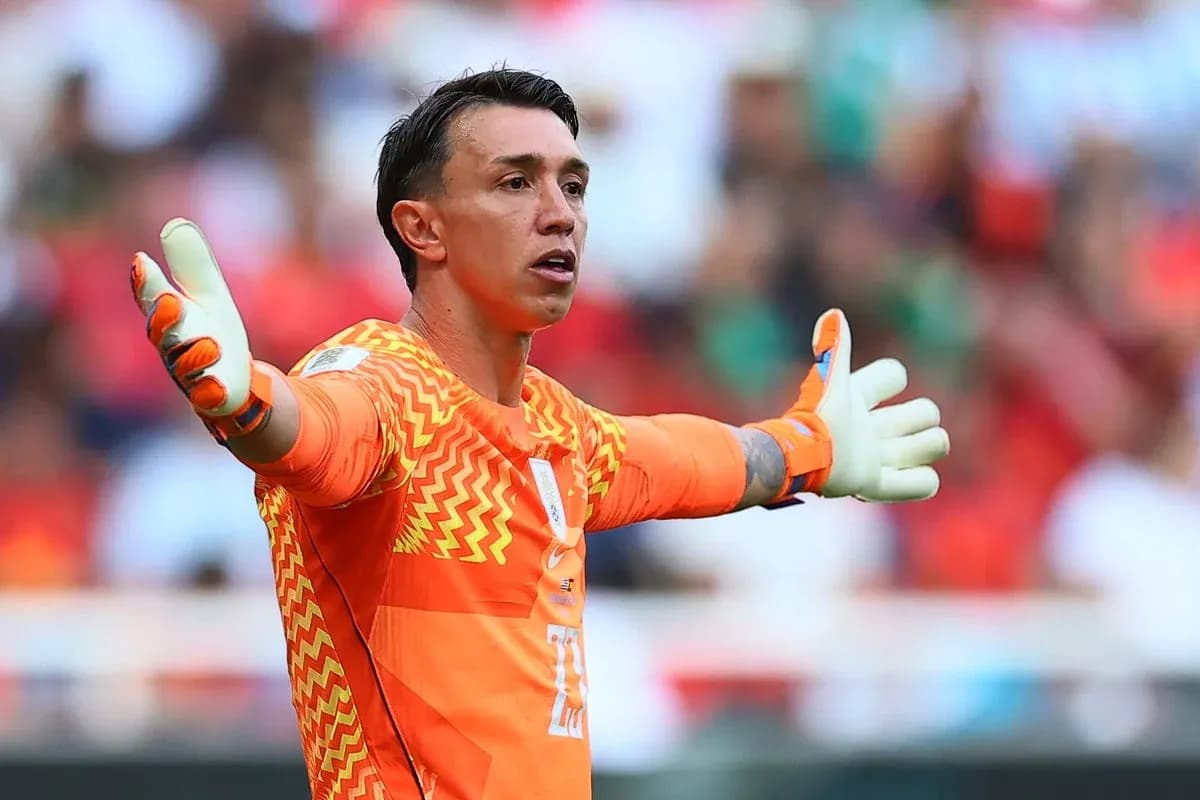
Uruguay’s 1-0 defeat to Spain sealed a miserable World Cup 2026 campaign and left one of their great servants at the centre of an unwanted piece of history. Muslera, now at Estudiantes, misjudged a routine-looking effort from Alex Baena, allowing the shot to squirm past him and into the corner for the only goal of the game.
As the ball dribbled over the line, Muslera erupted, screaming in fury at himself. It was the image of Uruguay’s tournament in a single frame: anger, disbelief, and a sense that the basics had slipped away.
That moment also etched his name into the record books for all the wrong reasons. It marked the third error leading directly to a goal that Muslera has made at this World Cup, the first time any goalkeeper has reached that tally in a single tournament since such statistics began in 1966.
Half-Time Substitution
At half-time, the axe appeared to fall. Muslera did not re-emerge, replaced by Sergio Rochet. Yet Marcelo Bielsa was quick to stress that this was not a coach’s punishment, but a player’s decision.
“The Muslera change was not my decision, it was Fernando,” Bielsa told Uruguayan television, making it clear his veteran keeper had effectively taken himself out of the firing line.
The substitution was historic in its own right. Uruguay had not changed goalkeepers during a World Cup match since substitutions were first allowed at Mexico 1970. On this stage, in this context, it felt like the symbolic end of an era.
Group Stage Exit
Uruguay’s situation made the blow even harder to absorb. They only needed a draw against Spain to escape Group J after stalemates with Cabo Verde and Saudi Arabia. Instead, they leave the tournament with just two points, no wins, and a cloud of uncertainty hanging over almost everything.
Bielsa did not spare himself in the aftermath. “I couldn't boost the Uruguay players, I leave nothing to the country,” he admitted, a stark self-assessment from a coach whose methods are usually defended with near-religious fervour. He also revealed his thinking higher up the pitch: “With Valverde's departure I wanted more presence in the attack.”
That decision will echo as loudly as the goalkeeper switch. Federico Valverde, the Real Madrid star and captain of this generation, came off after 56 subdued minutes. In a match crying out for a moment of authority or inspiration, Bielsa removed his most influential outfield player, and Uruguay never found a way back.
Inside the camp, Bielsa’s future already sat under a harsh spotlight amid reports of disagreements and tension. This exit, and the manner of it, will only intensify the scrutiny. A group-stage elimination, a misfiring team, a legendary goalkeeper living through the worst tournament of his career, and big calls on the touchline that failed to change the story.
For Muslera, this World Cup will be remembered not for reflexes or leadership, but for three costly errors and a decision at half-time to step aside. For Uruguay, the question is even sharper: after a campaign that ended in anger, doubt, and early elimination, who leads them into the next chapter?