
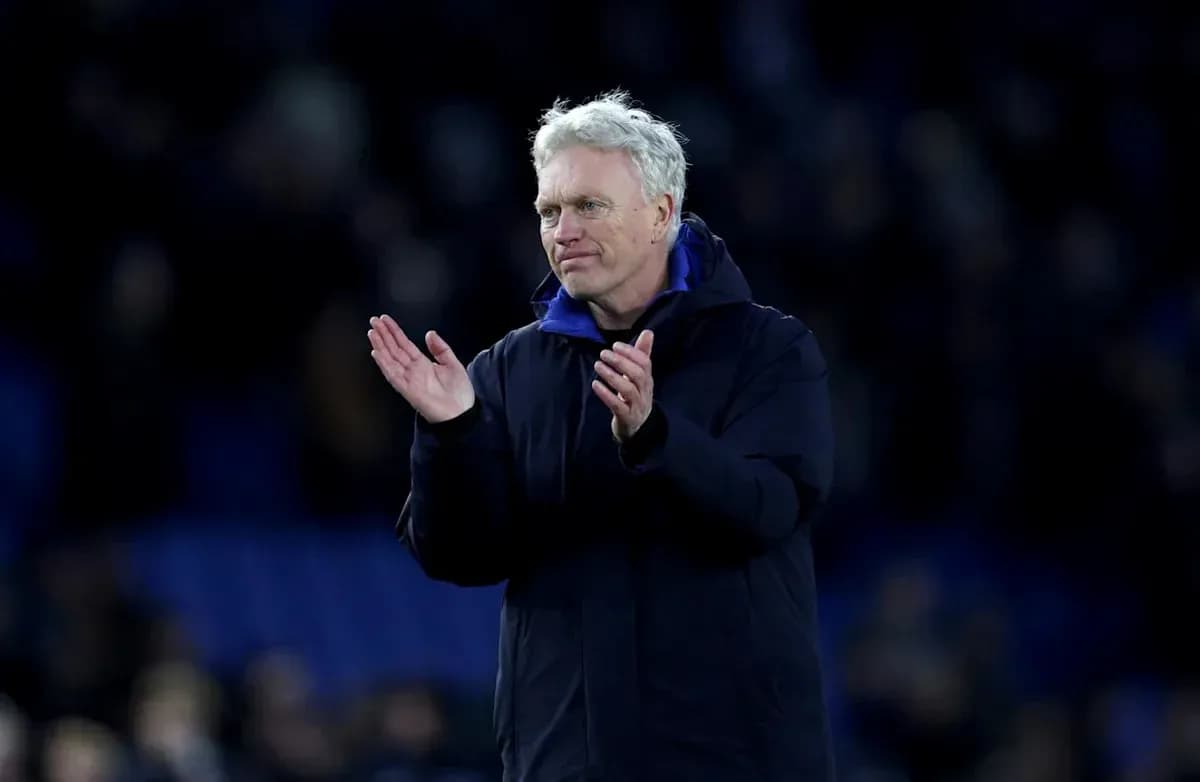
David Moyes on Everton's Summer Transfer Plans Amid Compensation Ruling
David Moyes insists Everton’s record compensation bill to Burnley will not derail the club’s summer transfer plans – and says he has been given clear assurances from the board that recruitment will go ahead as planned.
The club were this week ordered to pay around £35m to Burnley over breaches of the Premier League’s Profit & Sustainability Rules during the 2021/22 season, a landmark figure that has sent shockwaves through the division’s financial landscape.
Everton had already been hit with an eight-point deduction in 2023/24 for those breaches. Burnley argued that had the punishment applied in the season to which the charges related, they would have stayed up, and pursued compensation on that basis.
Everton have appealed the verdict and released a strongly worded statement, saying they believe “the ruling is fundamentally flawed in both law and fact”.
Moyes: ‘They told me it wouldn’t have any effect’
Speaking on talkSPORT, Moyes did not hide his frustration at the decision, but was adamant that, as things stand, it should not choke off his plans in the market.
“I’m not up to the situation exactly how it is and obviously the club are challenging it at the moment as well, which is really important, but it’s really disappointing,” he said.
Asked directly whether the financial hit would impact summer spending, he was clear.
“They told me no. They told me that it wouldn’t have any effect on it and look I was aware of this probably four or five weeks ago when it was happening that this would be the case.
“So the answer to that is I really hope it has no effect on what we’re going to do in the summer.”
Moyes revealed the ownership were not blindsided by the ruling either.
“My understanding is that the Friedkins were aware of this when they were buying the club and there was a possibility this could happen.”
A ‘can of worms’ for the Premier League?
The Scot also questioned what the case might mean for the wider game. If Burnley can successfully argue for compensation based on a retrospective points deduction, where does that leave everyone else?
“I don’t know if this opens a huge can of worms with other events as well,” Moyes said. “Teams who have maybe not got promoted, for example, because the Premier League teams are having problems with PSR.
“I felt that we had paid our dues, if that’s right, and we had done it already, but for this to come back to us, it feels like an individual case.
“But I don’t know if it’s going to open up more things for other clubs to do something similar.”
That sense of unease goes beyond Everton. Clubs on the margins of promotion, relegation or European qualification will be watching closely, aware that one financial ruling could rewrite a season after the fact.
Season judged harshly – by fans and manager
On the pitch, Moyes still believes his side laid some foundations last year, even if the campaign ended with a whimper.
“I’m hoping that it doesn’t [affect transfers] because last season, as you rightly say, we had a good season except the last month or so when we sort of blew up and we were in a really, really strong position.
“So if it’s anything I hope it’s a message to the Premier League. It’s so difficult. If you don’t do well you can find yourself in trouble again. We don’t want to be back in those situations we were in the past.”
That assessment has not gone down smoothly with everyone. A vocal section of the fanbase disputes the idea that Everton “had a good season”, pointing instead to a campaign that ran out of steam when it mattered most and to lingering doubts over Moyes’s long-term suitability.
The board, though, appear ready to stand by him, even as the club wrestles with legal bills, an appeal process and a transfer window that will define the next phase of the Friedkins’ ownership.
Everton now face a summer walking a tightrope: challenge a ruling they fiercely contest, absorb a huge potential payout, and still find a way to strengthen a squad that faded when the pressure rose. The question is not whether they can afford to buy – it’s whether they can afford not to.





