Moroccan Coach Ouahbi Reflects on Controversial Match Against France
Walid Regragui’s side had barely caught their breath when the controversy arrived. One loose, frantic passage of play, a scramble in the box, and suddenly the ball was at Kylian Mbappé’s feet. A flash of movement, a thump, and it was buried in the Moroccan net.
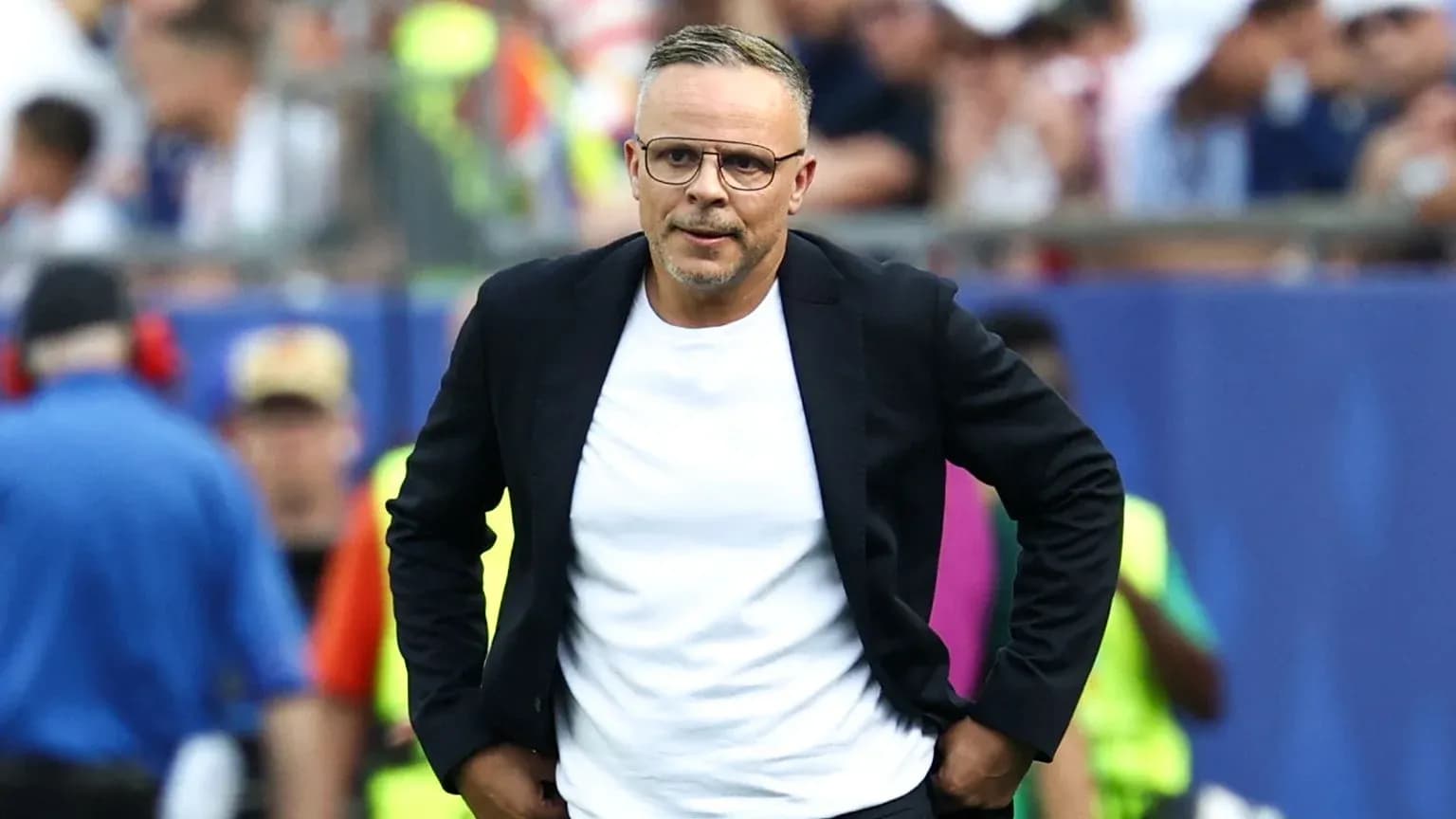
For Moroccan coach Ouahbi, the move should never have counted.
He left the pitch furious with referee Facundo Tello’s decision to let France’s opener stand, adamant that Adrien Rabiot had handled the ball in the build-up before Mbappé pounced.
“The goal came from a bit of a… shared ball, some people stopped because they saw a handball,” he told beIN Sports, still replaying the moment in his mind. “It was a handball, I don't know if it should have been called or not, I don't know.”
Players hesitated. Arms went up. Morocco expected a whistle that never came. France played on, and the punishment was immediate.
Respect for France, focus on Morocco
Once the anger over that decision cooled, Ouahbi’s tone shifted. He parked the grievance and turned instead to what his team had faced — and what they had shown.
“We have to admit that we played against a very good team,” the 49-year-old said, acknowledging the gulf in quality that France can impose when they click. Morocco were stretched, especially before the break, hanging on at times as waves of blue shirts rolled forward.
They were kept alive by a huge moment from Yassine Bounou, who guessed right and produced a superb save from the penalty spot. It was the kind of intervention that can flip a knockout tie on its head, the kind that usually breathes belief back into a side under siege.
Even so, Ouahbi didn’t sugar-coat the first-half struggles. Some of his players, he admitted, looked like they were “catching their breath,” chasing shadows rather than dictating anything of their own.
The response came after the interval.
A different Morocco after the break
Morocco emerged for the second half with a different posture. The defending tightened, the lines moved a little higher, and with that came a crucial change: composure.
“In the second half, we defended better and, above all, we were more composed with the ball. We were much better,” Ouahbi said. The same players who had laboured before the break began to stitch passes together, step into challenges with conviction, and carry the ball out of pressure.
France still carried the greater threat, still forced Morocco to suffer in spells, but the game no longer felt like a one-way onslaught. Morocco started to look like themselves again.
The closing stages were brutal. Fatigue set in, spaces opened, and every French attack felt like it might be the one that killed the contest for good. Morocco clung on, pushed, and refused to fold, but the clock was merciless.
“It was tough at the end,” Ouahbi admitted. The disappointment was raw, the sense of a missed chance obvious.
Building a deeper future
Yet he refused to let the night be defined only by frustration, whether at the referee or the result. His gaze went beyond the 90 minutes.
“I believe we must continue to believe, to work,” he said, turning the conversation towards foundations rather than flashpoints. The message was clear: this is not a team to be judged on one decision or one defeat.
He highlighted a key lesson from the campaign — depth. Injuries and tired legs had forced him to lean on players who were not at full freshness, exposing the limits of his options.
“We must also continue to work on the basics, ensuring that when there are injuries, players who are less fresh, we can have a larger pool of players. We will continue, we will not stop here.”
The pain of the exit sat alongside a stubborn resolve. “We are very disappointed, we wanted more, but we have to accept it,” he concluded.
Acceptance, for Ouahbi, does not mean resignation. It means using a contentious night, a denied handball, and a brutal lesson against elite opposition as fuel. The question now is simple: how quickly can Morocco turn that sting into a squad strong enough that no single decision, or single injury, can define them again?