Morgan Rogers Becomes Most Expensive British Footballer
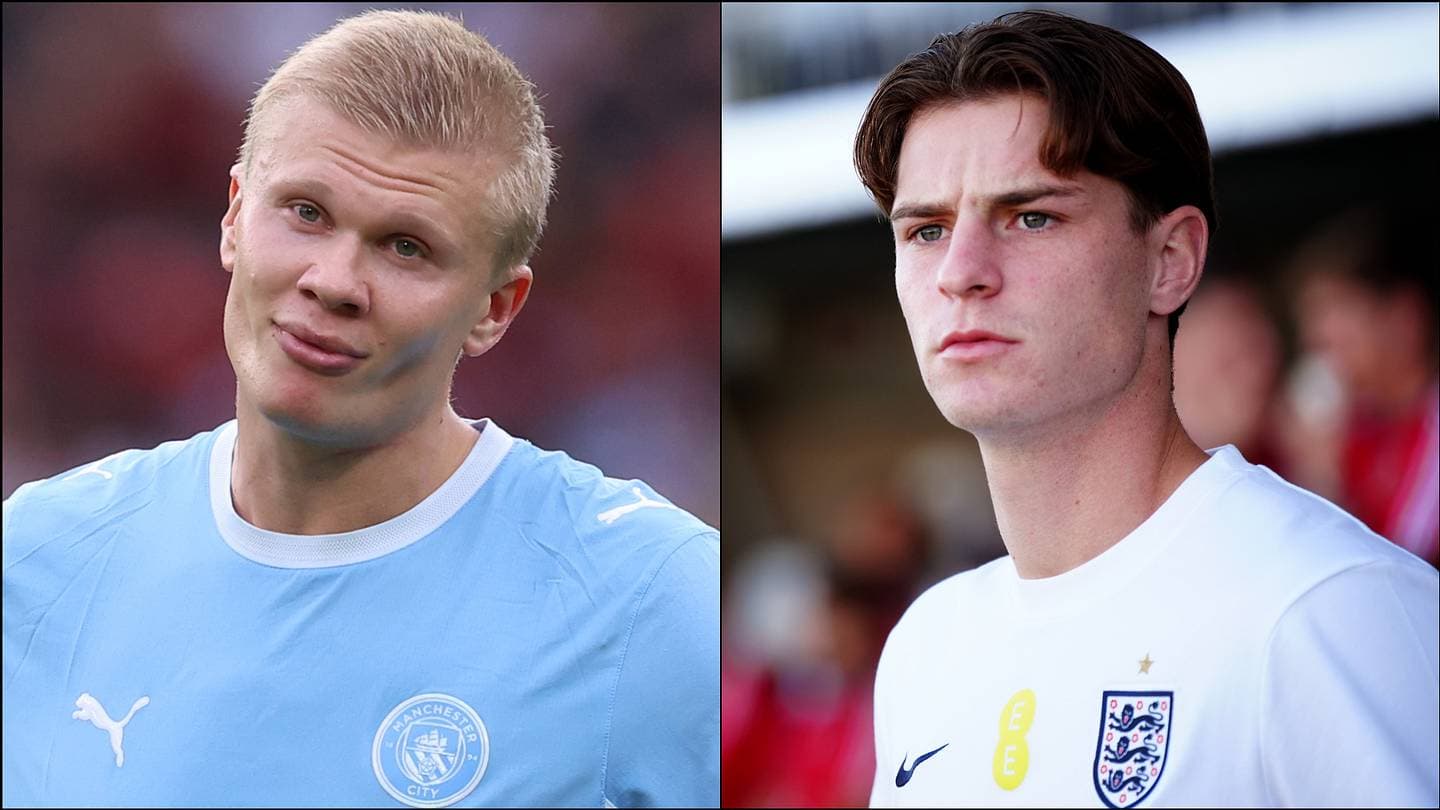
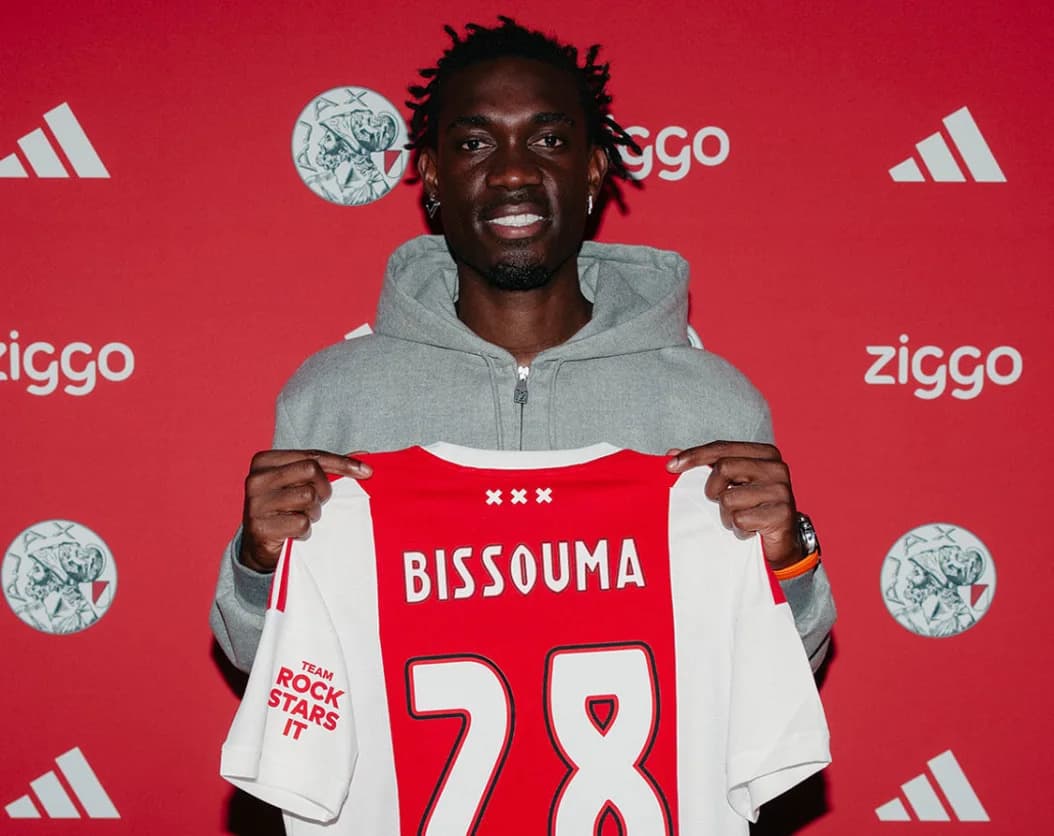
Morgan Rogers has just become the most expensive British footballer of all time. £117 million to swap Aston Villa for Chelsea, a move that shattered records and raised eyebrows in equal measure. At his unveiling, he called Chelsea “the biggest club in London” and the “perfect” fit for his game – a line some Arsenal fans took as a pointed jab after months of links to Mikel Arteta’s side.
Strip away the noise, though, and the truth is stark: Arsenal would have been the safer step.
Rogers’ big bet on chaos
Leaving a rising Villa team, Champions League-bound and clearly on an upward curve under Unai Emery, for the reigning champions would have been an obvious upgrade. Nobody would have questioned that. Instead, Rogers has walked into another Chelsea reboot under the controversial BlueCo regime, with Xabi Alonso the latest man handed the keys to a wildly expensive, wildly unbalanced squad. There is no European football, no clear continuity, and no guarantee the project lasts longer than the last one.
The fixture list will be kinder. Fewer games should, in theory, help Alonso drag Chelsea back from last season’s 10th-place finish. But he is not a magician. The loss of Marc Cucurella to Real Madrid strips away one of Chelsea’s most consistent performers, and Enzo Fernandez could yet follow him out of the door. Take that kind of quality out of an already fragile midfield and the rebuild looks even more precarious.
This is not the kind of stable, clearly defined environment a £117m 23-year-old needs.
Tactically, there are immediate questions. Rogers does his best work as a No.10, drifting between the lines, driving at space, arriving in dangerous pockets. Cole Palmer, Chelsea’s standout performer last season, also gravitates to those central zones. Alonso must find a way to marry the two without choking the middle of the pitch. If he decides Palmer is the reference point, Rogers is likely to be shunted wide, where his influence will inevitably drop compared to his Villa role.
Under Emery, Rogers thrived as a counter-attacking weapon, breaking into open grass, punishing disorganised defences. At Chelsea, he will see more of the ball, but in tighter spaces and against deeper blocks. Alonso wants control, structure, long spells of possession. That kind of football can smother a free-running creator if the balance is wrong.
Then there is the weight of that fee. Being the most expensive British player in history is not a line in a press release; it is a burden that hangs over every touch. Rogers will be expected to ignite Chelsea from day one. Any slow start, any patch of indifferent form, and the narrative turns quickly. For all his talent, he is not the kind of transformative figure who single-handedly drags a club from mid-table to title contention.
Chelsea need a revolution. Rogers, at this stage of his career, looks more like a luxury added to a squad that still lacks a spine.
Carrick’s United left short
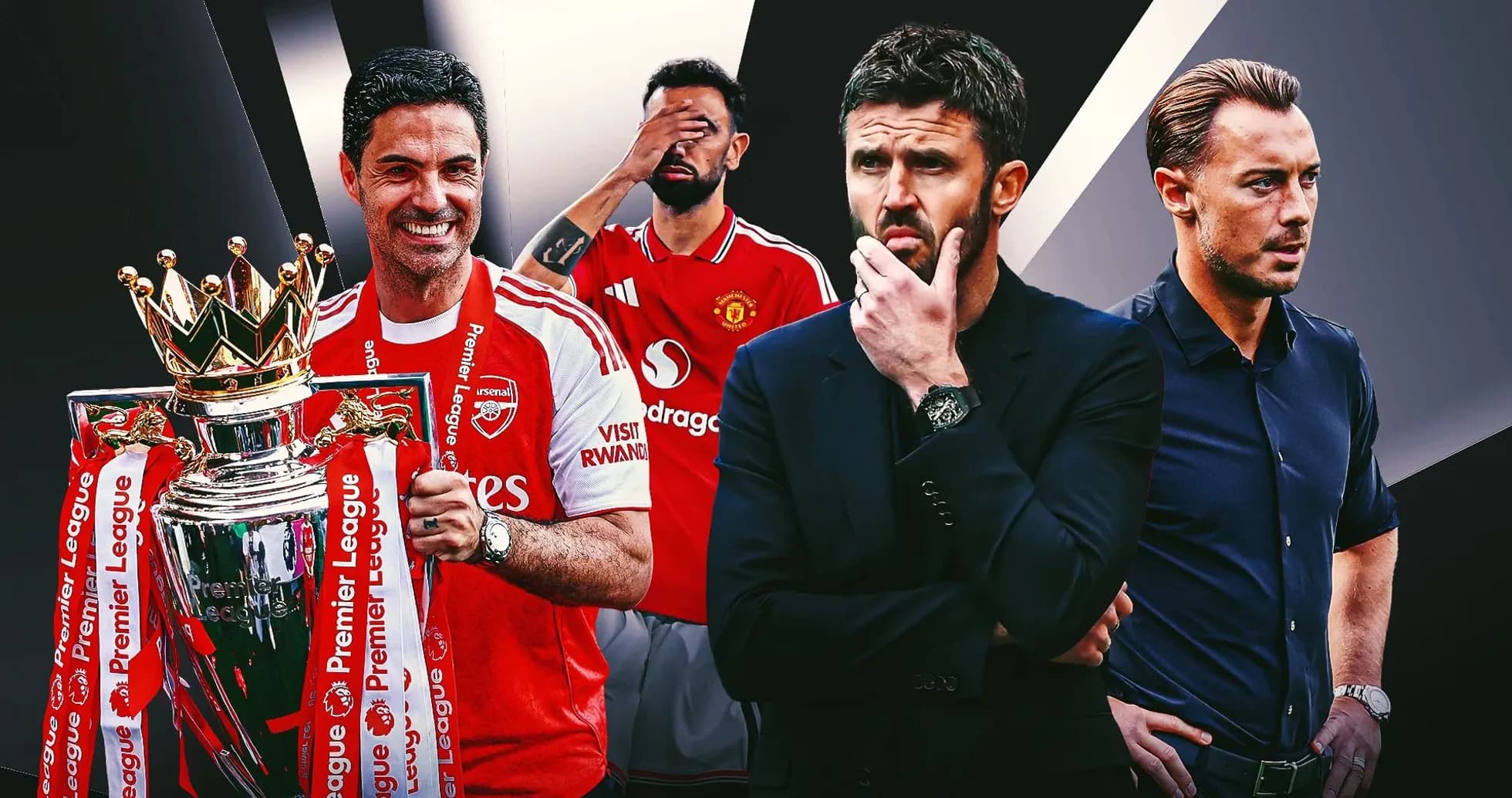
At Old Trafford, another big name is walking into a season with expectations that do not match the resources. Michael Carrick earned the right to stay on as permanent Manchester United manager after steering the club to third place and back into the Champions League. That achievement should have been backed with a serious summer outlay.
Instead, INEOS have tightened the tap.
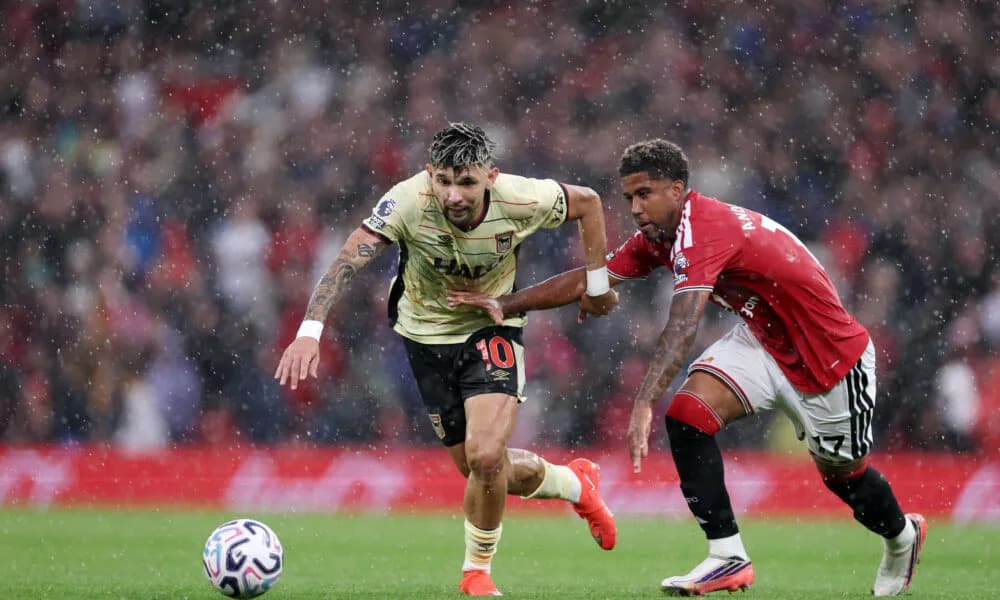
United have spent just £75m, bringing in Andrey Santos from Chelsea and Youri Tielemans from Aston Villa. Two decent additions, but nowhere near enough for a squad about to juggle domestic and European demands. The midfield remains light, and the gaps elsewhere are glaring.
Casemiro’s departure leaves a chasm at the base of midfield. Mason Mount still cannot string together a sustained run of games. Manuel Ugarte is working his way back from an ACL injury. Across the backline, depth is thin. Up front, the picture is just as worrying: with Joshua Zirkzee closing in on a move to Serie A, Benjamin Sesko could soon stand alone as the only natural No.9.
That is a fragile platform for a club with top-four expectations and Champions League ambitions.
Carrick’s early numbers look good – 12 wins from his first 17 matches – but the performances told a different story. United leaned heavily on individual moments and defensive resilience, often conservative on the ball, often uncomfortable building from the back. That approach might grind out results over a short burst. Across a season of three-games-a-week football, it frays.
If United stumble out of the blocks, confidence will evaporate quickly. The pressure will turn back on Carrick long before it reaches the boardroom. By early December, if the campaign has already drifted, the manager will be the one to pay. INEOS, in that scenario, would be hunting for a fourth head coach inside two and a half turbulent years.
Arsenal step into the power seat
While rivals tie themselves in knots, Arsenal finally look like a side ready to rule rather than chase.
Arteta’s team did what they had failed to do in three straight seasons: finish the job. They won the 2025-26 Premier League title by seven points, holding their nerve where they had previously cracked. That breakthrough was more than a trophy; it was a psychological shift. The nearly-men tag is gone.
This time, they do not just start as favourites. They are expected to dominate.
Liverpool’s defence has been stripped to the bone, undermining any hopes of repeating their 2024-25 triumph. Manchester United’s squad is too thin. Aston Villa, like United, have been cautious in the market. Chelsea and Tottenham are effectively resetting. That leaves Manchester City as the only serious obstacle – and even they are braced for a downturn.
Pep Guardiola has gone. So have Bernardo Silva and John Stones, pillars of the most successful era in the club’s history. Rodri, the 2024 Ballon d’Or winner and the heartbeat of the side, has joined Barcelona in a £65m move. Losing him is a body blow: he dictated tempo, protected the backline and set standards in the dressing room.
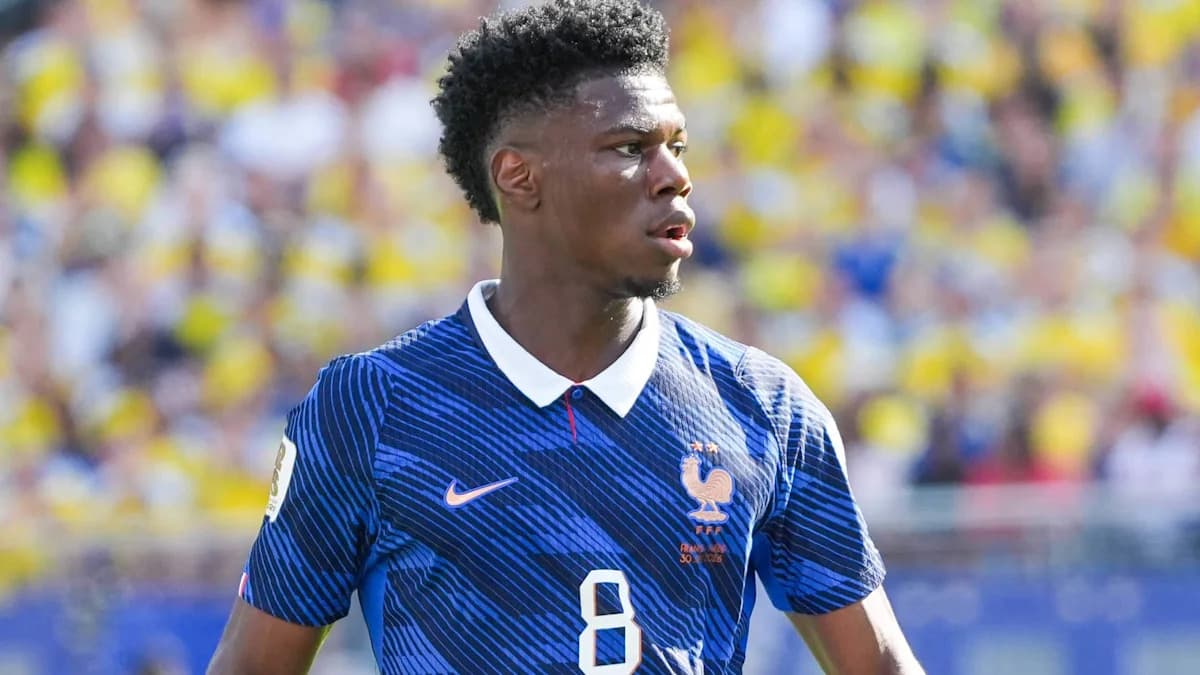
Elliot Anderson has arrived for £116m, a statement signing for the future, but he walks into a squad in transition. The growing pains are already visible. Arsenal dismantled City 3-0 in the Community Shield, a performance that left Enzo Maresca with more questions than answers. On the opposite bench, Arteta could look at a settled, mature group, now bolstered by the arrival of Bruno Guimaraes from Newcastle – an all-action midfielder added to an already loaded core.
On paper, only an extraordinary injury crisis or a self-inflicted collapse stops the Premier League trophy staying in north London through 2027.
Fulham gamble on Arbeloa
At Craven Cottage, Fulham are attempting a bold reinvention of their own. Marco Silva walked away in June after five successful years, heading back to Portugal to replace Jose Mourinho at Benfica. Mourinho, in turn, returned to Real Madrid, prompting the end of Alvaro Arbeloa’s short, fraught spell in charge there.
Fulham completed the circle. Arbeloa, the former Madrid defender, has been handed a three-year deal and a first crack at managing in the Premier League.
There are reasons to be intrigued. Arbeloa spent his playing career under elite coaches such as Mourinho and Carlo Ancelotti. As a manager of both Real’s senior side and Castilla, he showed faith in youth, something that should appeal to a Fulham hierarchy keen to promote their emerging talent.
But Silva’s departure strips away a coach who knew how to squeeze every drop from limited resources. His Fulham were organised, compact, and pragmatic in a 4-2-3-1 shape built on defensive discipline. Arbeloa wants more. He favours a higher line, a bolder approach – a philosophy that could leave a technically inferior squad horribly exposed.
His track record offers little reassurance. He has yet to show the tactical depth to navigate a league as unforgiving as the Premier League, nor the man-management skills to keep a dressing room unified when the pressure rises. At Madrid, internal friction eroded his authority. The spotlight at Fulham will be softer, but the dynamics of a frustrated squad are the same everywhere.
He has brought Gonzalo Garcia and César Palacios with him from Madrid. Fulham have also made Jonah Kusi-Asare’s move from Bayern Munich permanent after a promising loan. Those are interesting additions, but they do not address the glaring creative hole left by Harry Wilson, who led the club for both goals and assists last season. There is nobody in the squad with his end product.
The fixture list offers no bedding-in period. Chelsea, Liverpool and Manchester United all await in the opening five games. A slide towards the bottom three feels almost baked in. If that happens, Arbeloa looks an obvious candidate to be the first managerial casualty of the 2026-27 season.
Newcastle’s project unravels
No club has fallen from promise to panic quite like Newcastle.
Just over a year ago, they were parading the 2025 League Cup after beating Liverpool, their first major domestic trophy in 70 years. They had booked a second Champions League campaign under Eddie Howe. The fanbase adored him, the Saudi-backed ownership appeared aligned with a long-term vision, and St James’ Park buzzed with belief.
Fifteen months on, the picture is unrecognisable.
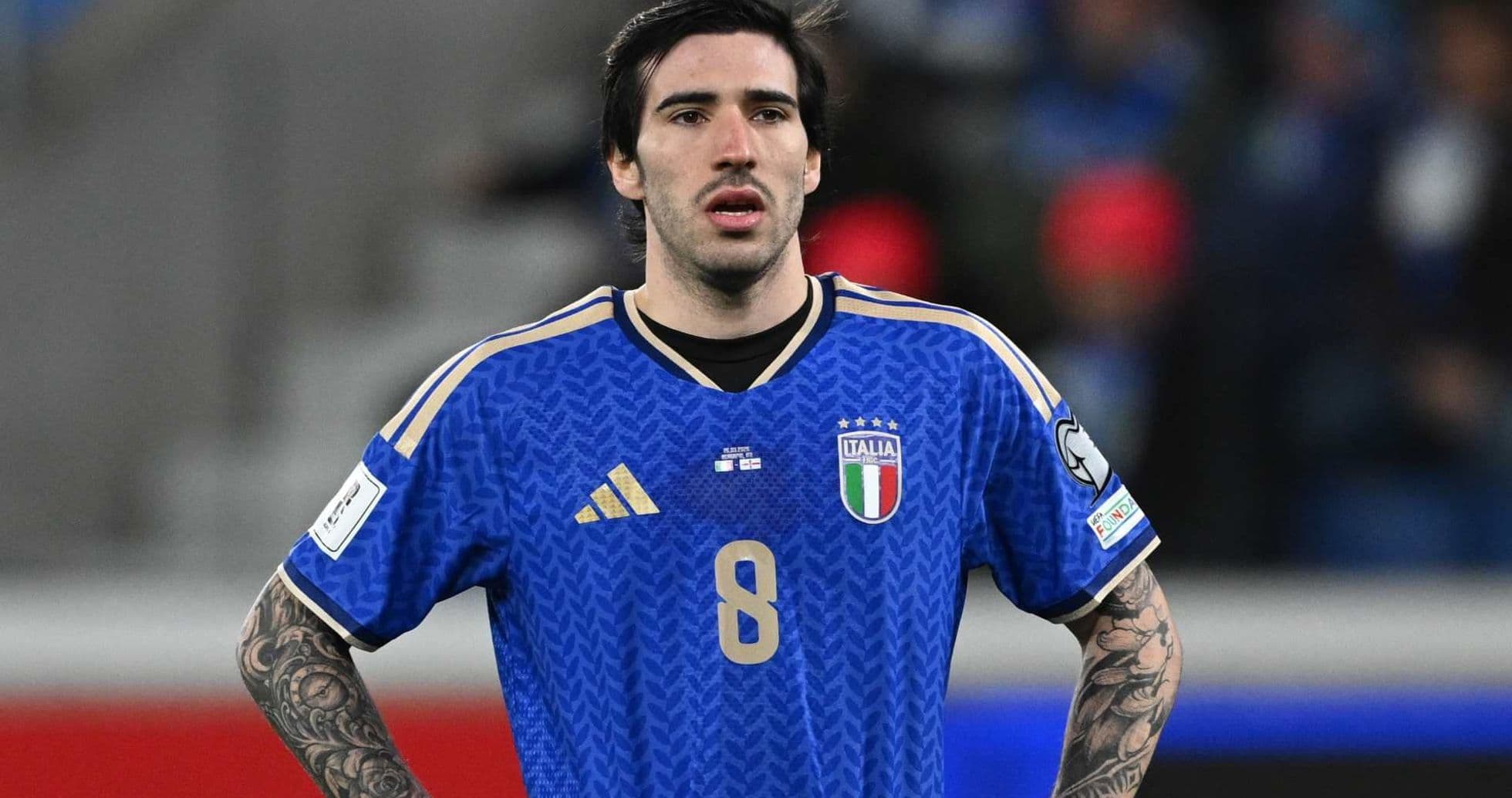
The spine of the team has been ripped out. Alexander Isak, Anthony Gordon, Sandro Tonali and Bruno Guimaraes have all left. None have been properly replaced. Of the five signings made so far this window, only one is over 20. Established stars have repeatedly turned them down. The squad looks younger, cheaper, and significantly weaker.
Howe has gone too, deciding after five years that he needed a new challenge. Newcastle’s response was not to recruit a proven European heavyweight, but to turn to Matthias Jaissle, the German coach who has spent the last three years at Al-Ahli in the Saudi Pro League.
Jaissle is cut from a similar cloth to Howe – front-foot, aggressive, high-energy football. Newcastle CEO David Hopkinson has even labelled him a “rock star”. But a rock star still needs instruments. Right now, Jaissle is trying to put on a show with a half-assembled band.
The club is still reeling from last season’s 12th-place finish. Confidence has drained away. The new manager has had little time to stamp his ideas on a dressing room that has lost its leaders. Above him, the owners have alienated large sections of the support with a series of baffling decisions, turning the atmosphere around the club sour and suspicious.
With their resources, relegation would be a humiliation. But this is not uncharted territory. Newcastle have already dropped into the Championship twice this century. To assume it cannot happen again, in the middle of this chaos, is to ignore their own history.
The Premier League has seen giants stumble before. This season, it may be Chelsea’s £117m man, Carrick’s underpowered United, Arbeloa’s raw Fulham and Jaissle’s fragile Newcastle who discover just how unforgiving the fall can be.