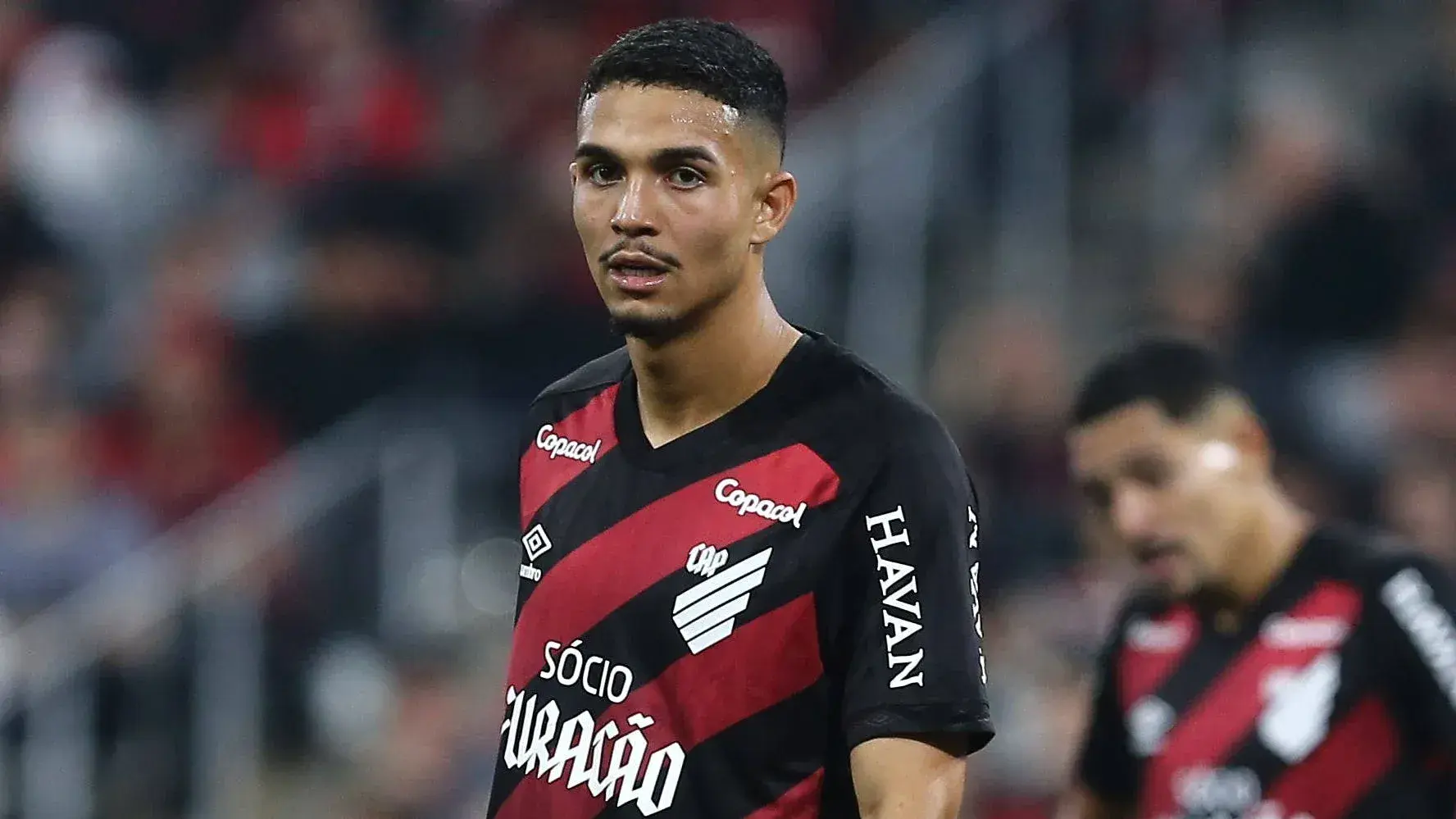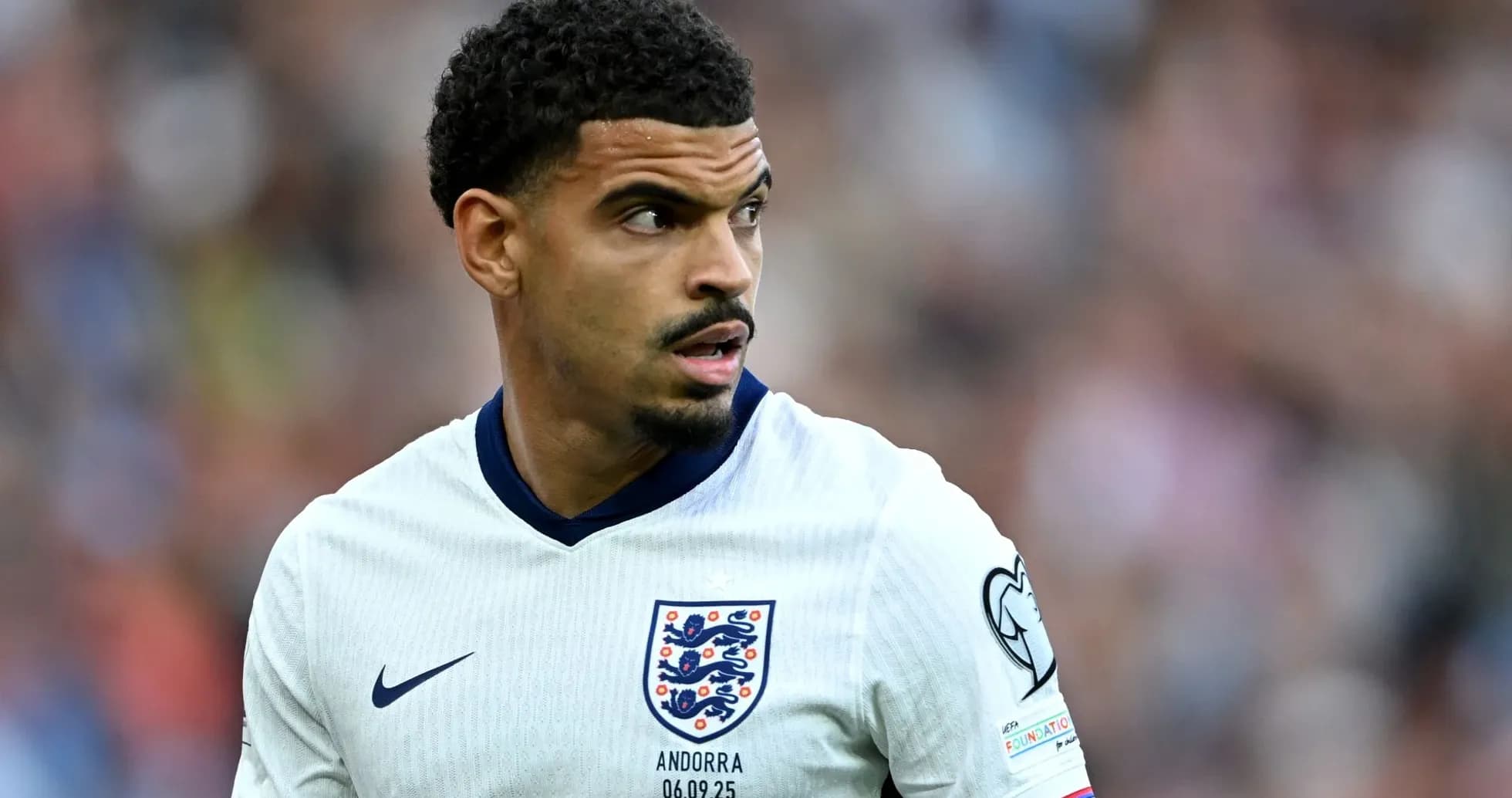
Morgan Gibbs-White: The Next England No.10?
Morgan Gibbs-White is trying to climb a mountain at the moment – and the peak is called Jude Bellingham.
England are overflowing with gifted No.10s. Bellingham sits at the summit as Real Madrid’s new-era Galactico, while behind him Cole Palmer, Phil Foden, Morgan Rogers and Eberechi Eze jostle for space in the queue. Fulham’s 19-year-old Josh King is already barging his way into the conversation as well.
In that crowd, Gibbs-White has had to shout to be heard. For a few months, he roared.
A purple patch, a brutal snub
From the start of 2026 to the end of last season, the Nottingham Forest playmaker produced the best football of his career. He hit 12 goals in all competitions in that spell, dragging Forest away from relegation trouble and driving them all the way to the Europa League semi-finals. He was the difference-maker, the man who turned tight games, the one Forest leaned on when the pressure bit.
It still wasn’t enough.
When Thomas Tuchel named his squad for the World Cup in North America, Gibbs-White stayed at home. Tuchel went with other options, preferring the established names and different profiles for his attacking midfield roles. Even when the England manager began plotting another UEFA Nations League campaign, Gibbs-White again found himself on the outside, watching others collect caps he craved.
Then came the twist. Palmer, Chelsea’s talismanic creator, dropped out through misfortune. The door opened a fraction. Tuchel called Gibbs-White. At 26, the mercurial Forest No.10 finally had his route back in.
But is he destined to live as England’s “next in line”? Or does he need a move to a Champions League regular to truly change the conversation?
‘It’s not the club – it’s the consistency’
For former Forest favourite Des Walker, the answer is clear: the badge on the shirt is not the problem.
Speaking to GOAL in association with Power Up Gaming, the Reds icon pointed to a recent example from the City Ground.
“[Elliot] Anderson became an England regular while he was a Forest player, so I don’t think the club you play for is necessarily the issue,” Walker said. “With the current England manager, I don’t think he’s too bothered about which club you represent. If he likes you and thinks you’re a good player, he’ll pick you.”
The real issue, Walker believes, is the sheer quality stacked in that role – and Gibbs-White’s need to match them over a full campaign.
“The difficulty for Gibbs-White is that there are some very good players in his position,” he continued. “He’s come into the squad because Cole Palmer dropped out, so that puts him behind Palmer. Then you’ve got Foden and Morgan Rogers making their cases for that position too. There’s a lot of competition, but that’s how it should be when you play for England.
“I thought Gibbs-White finished last season fantastically, although over the whole season he perhaps wasn’t as consistent as some of the others. That’s what he has to address this season – consistency.”
That is the challenge. Not a new stadium. Not a new league. Week after week, the same high level.
One chance to boss it
Gibbs-White now has what every fringe international dreams of: a crack at the shirt.
“But now he’s got his chance,” Walker said. “You only need one game where you get on that pitch and boss it, and suddenly you’re right in the fold. Cole Palmer dropping out has given him that little bit of luck, so he has to take advantage of it.”
England’s schedule offers a sharp test. Spain, Czechia and Croatia await over the next fortnight, three very different opponents, three very different stages on which a No.10 can either disappear or dominate. Gibbs-White sits on six senior caps. He wants more. He needs more, if he is to be seen as anything other than cover for the headline acts.
The temptation, when you are chasing that status, is to look elsewhere. To wonder if a move to a Champions League club would change perceptions overnight. Walker is unconvinced.
“I don’t think playing for Forest hinders him,” he insisted. “Look at James Maddison going from Leicester to Tottenham – that move didn’t keep him in the England team. It isn’t necessarily a move that gets you into the England squad. It’s playing well. That’s what Gibbs-White has to focus on. And if he plays well, that’s probably when the move comes anyway.”
The message is blunt: perform first, transfer later.
Captain, creator, standard-bearer
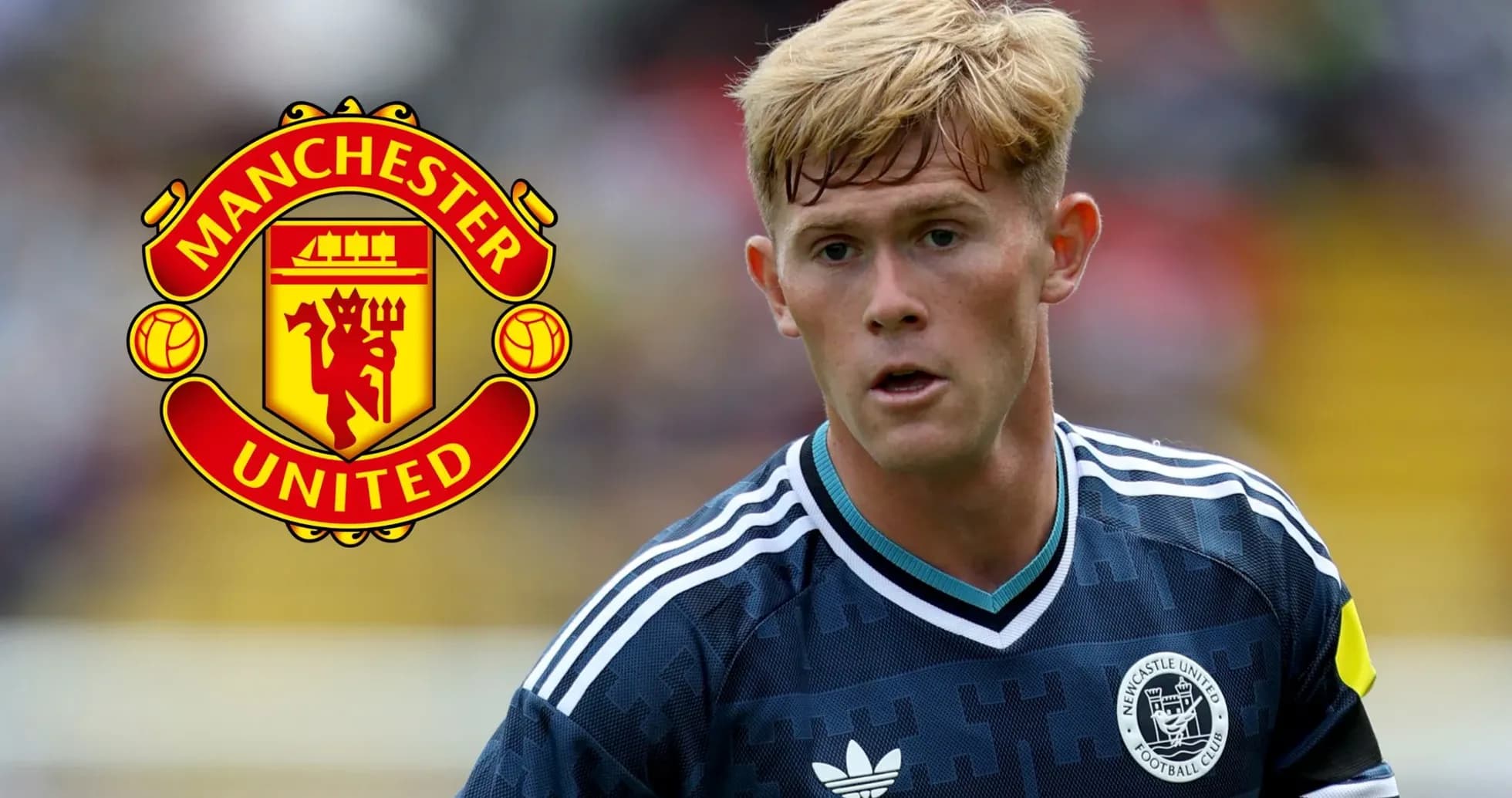
Back at Forest, Gibbs-White has already picked up where he left off. He opened his 2026-27 account from the penalty spot in a 2-2 draw at Liverpool, another big moment at a hostile ground. New boss Oliver Glasner has wasted no time in underlining his importance, repeatedly handing him the captain’s armband on Trentside.
The armband suits him. Gibbs-White plays with visible edge, all sharp angles and constant movement, never hiding from the ball, never shirking a duel. Commitment is not in doubt; he rarely drops below full throttle. That attitude is part of why Forest lean on him and why Tuchel, at last, has turned his way.
Now comes the hard part. Surrounded by Bellingham, Foden, Palmer, Rogers and the rest of England’s creative elite, Gibbs-White has slipped through the door. The question is whether he can slam it shut behind him and stay in the room.
One game where he truly bosses it, and the entire pecking order might look very different.