Lionel Messi's Injury Update: Concerns Ahead of World Cup
Lionel Messi limped out of an MLS thriller on Monday night, and a country held its breath.
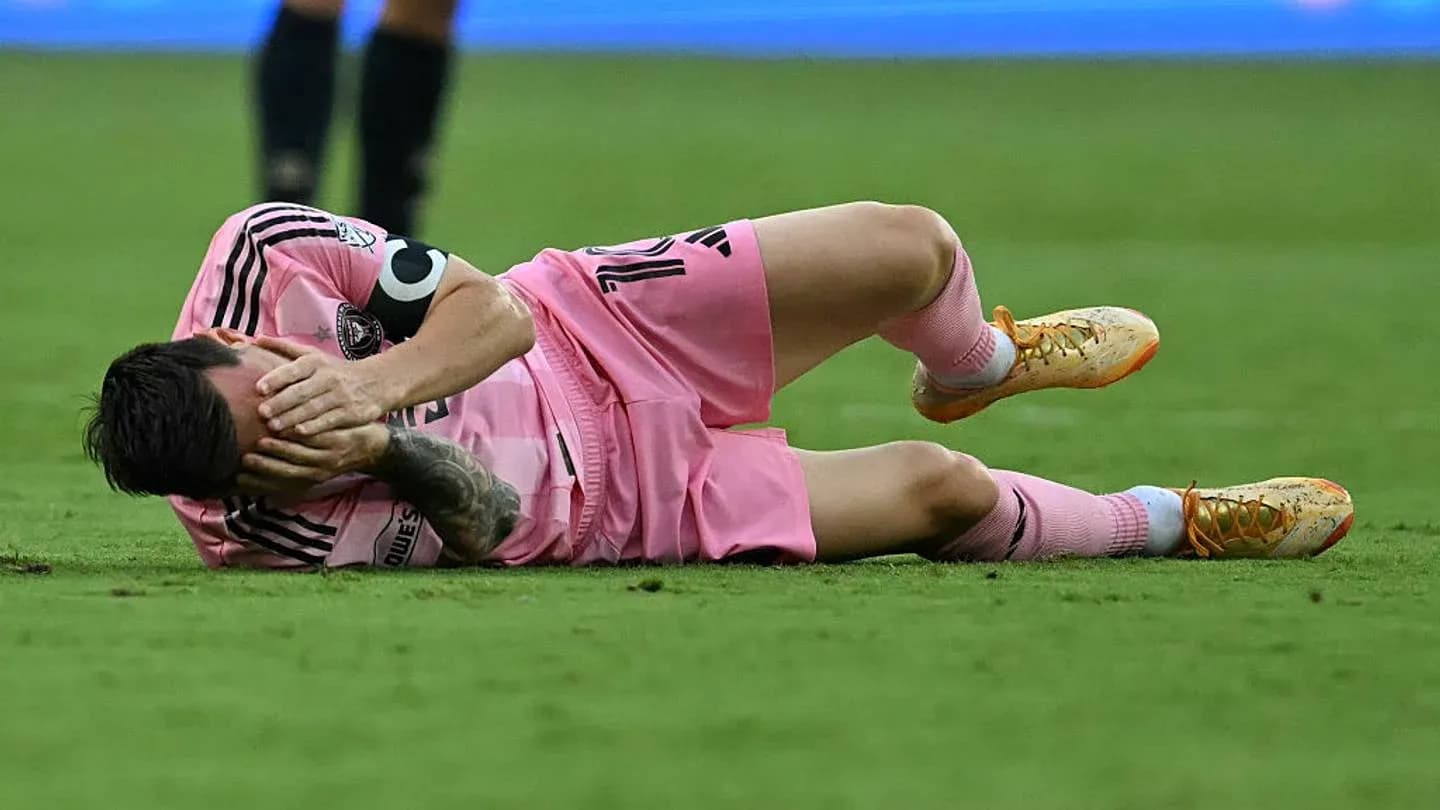
With Inter Miami locked at 4–4 against Philadelphia Union, Messi signaled to the bench in the 79th minute and walked off, head slightly bowed, hand brushing the back of his left leg. The diagnosis from Miami came quickly: “muscle fatigue in the left hamstring.” The timing could hardly be worse, with the 2026 World Cup looming and Argentina still built around the genius of a man approaching his 38th birthday.
From the national team’s base in Argentina, Lionel Scaloni and his staff watched the drama unfold in real time.
“We were watching the match at the training ground. We realized he asked to be substituted, that he wasn’t well,” the World Cup–winning coach told DSports. The concern was instant, but the first medical feedback offered a sliver of calm. “The first reports are not that bad. Logically, we would prefer that nothing had happened to him. Now, we have to wait and see how he progresses. Above all, they’re going to run tests on him, I imagine, and see if it’s as they say.”
So Argentina waits. So does everyone else.
Messi remains the axis of Scaloni’s project, the player who turned a generation of near-misses into a Copa América, a Finalissima and, ultimately, the World Cup in Qatar. Even now, with the years piling up and the sprints fewer than before, he is the mind and the heartbeat of La Albiceleste’s title defense.
Scaloni did not hide that this is far from an ideal buildup.
“We would have liked him to arrive [in camp] without any kind of problems, but that is not the case with him and with most of the players who have had problems. They are not fully recovered. Our goal is to try to recover them and have them arrive in the best possible condition.”
That is the calculation: protect the veterans, patch them up, and hope they peak when the knockout rounds begin.
Messi’s Place Beyond Doubt
In reality, the question is not whether Messi will go to the World Cup. It is how much he can give once he gets there.
Even if the hamstring issue lingers and limits him in the early stages, his place in the squad is as close to untouchable as it gets in international football. Twenty-one years of service, a trophy cabinet that changed the course of Argentine football history and an aura that still bends games to his will make his inclusion a formality.
Scaloni has yet to publish his final list, but the announcement is imminent. No one expects a surprise when it comes to the No. 10.
The stakes extend beyond Argentina. The 2026 tournament risks losing something irreplaceable if Messi arrives short of full health. World Cups are defined by eras and by icons; this one is already shaped by the possibility of a last great act from one of the sport’s all-time giants.
Chasing History on Two Fronts
For Messi, there is more on the line than another deep run with his country. History is lining up in front of him.
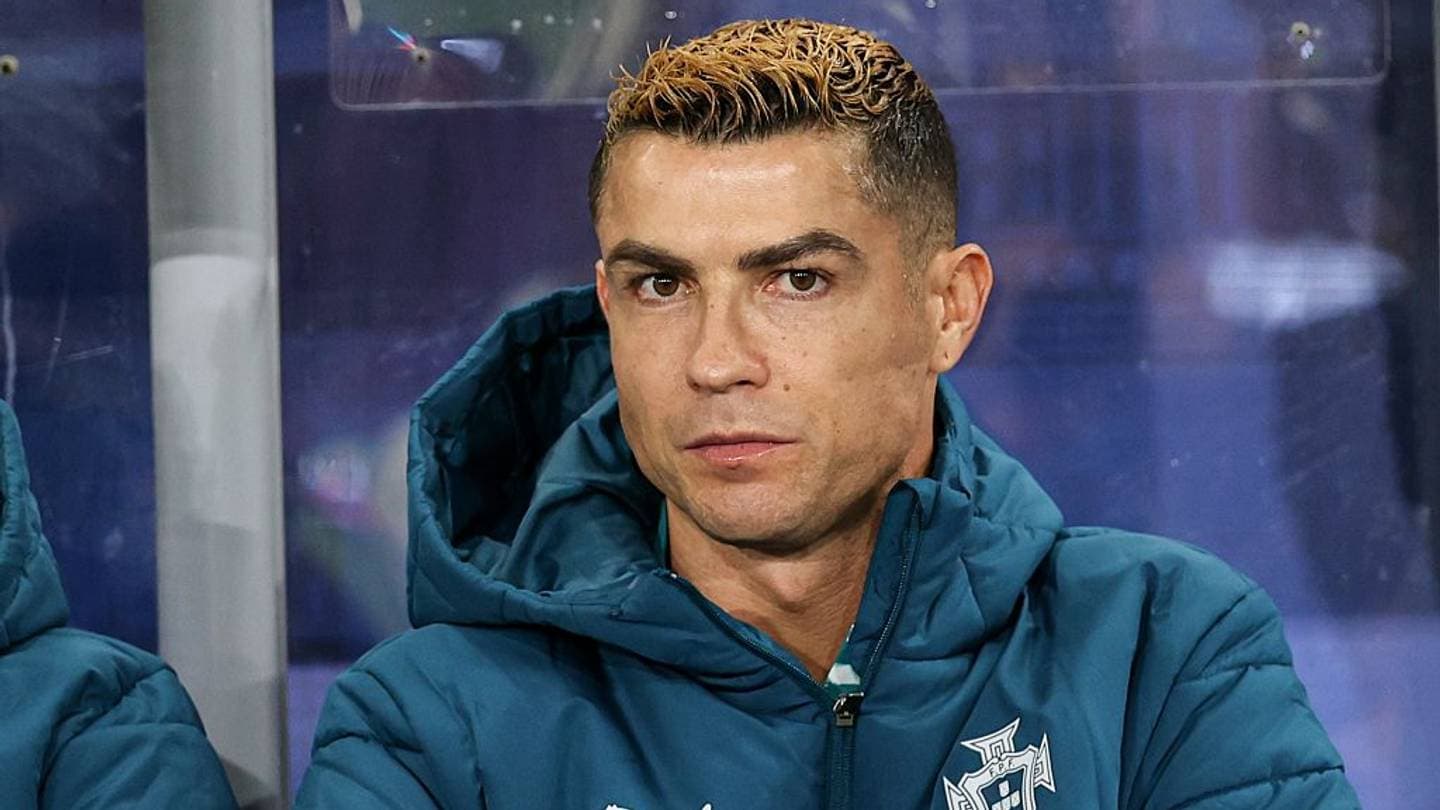
This will be his sixth men’s World Cup, a mark that will stand as a record he shares with Cristiano Ronaldo. Both debuted on the biggest stage in 2006—Ronaldo at 21, Messi still a teenager. Two decades later, they remain at the center of the narrative, named again in their national squads for one final tilt at the trophy.
But the numbers tell an even bigger story.
Messi already holds the record for most men’s World Cup matches played, reaching 26 in the 2022 final win over France. The overall World Cup benchmark, though, belongs to USWNT legend Kristine Lilly, who played 30 times at the women’s tournament between 1991 and 2007.
That is the next mountain. Four more appearances in 2026 would allow Messi to draw level with Lilly. Five would push him alone to the top of the all-time list. If Argentina go the distance—to the final or even the third-place playoff—there could be as many as eight games on offer.
All of that, of course, depends on a single left hamstring.
For now, Scaloni can only monitor the medical reports from Miami and hope the early optimism holds. Argentina’s plans, the tournament’s storyline, and a slice of football history are all tied to what those tests reveal—and to how quickly Lionel Messi can stride, rather than limp, back onto the pitch.