Mauricio Pochettino's Journey: From World Cup Chaos to Coaching Ambitions
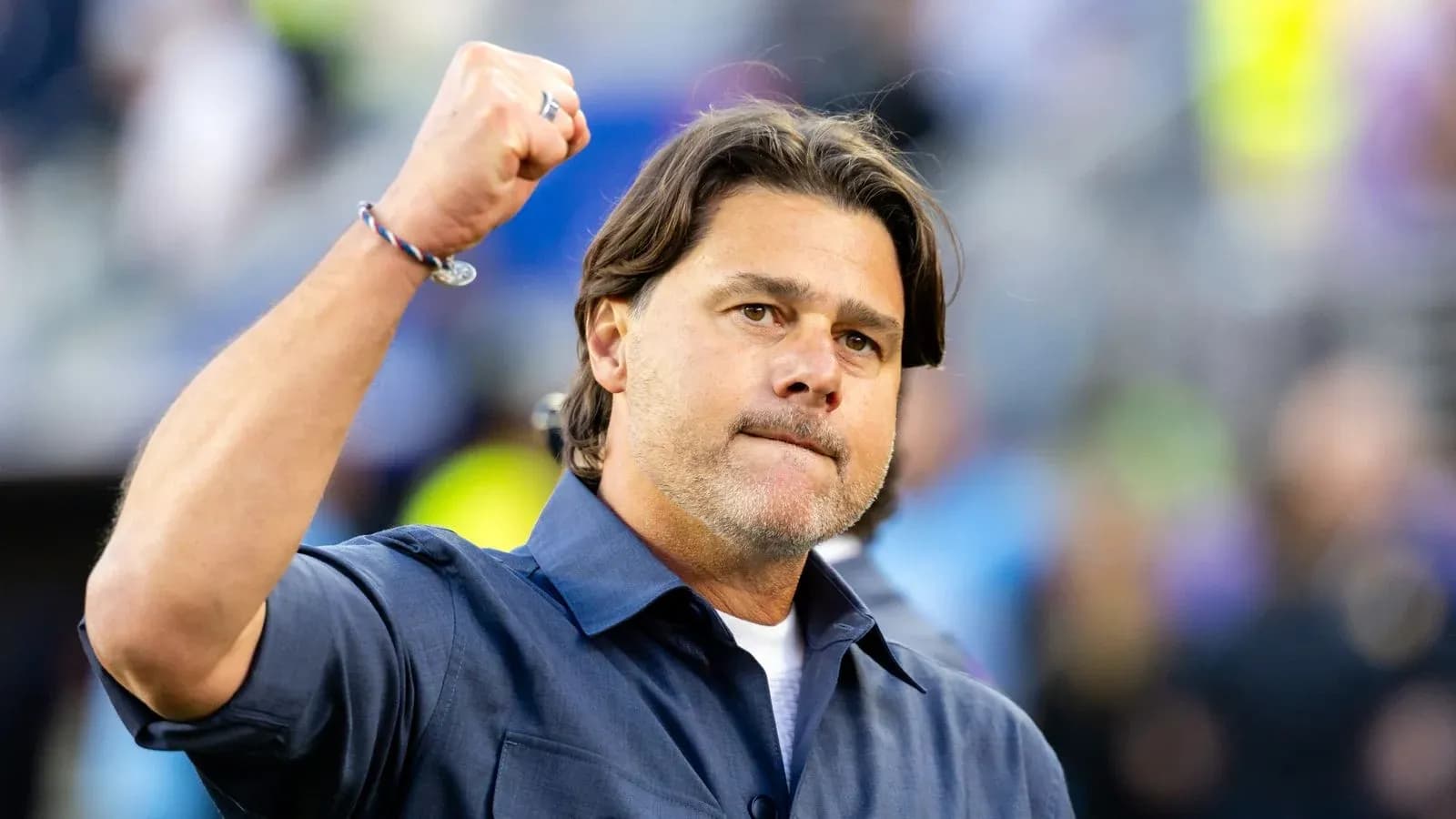
Mauricio Pochettino walks into the room and it feels like he has never been away. Hugs, jokes, a burst of warmth that fills the space. He has always been like that. But this summer, while everyone else switched off, he lived through the kind of chaos only a home World Cup and a White House-sized spotlight can bring.
He took the USA to the last 16, where Belgium ended the host nation’s dream. On paper, it sounds straightforward. It was anything but.
A wild World Cup and a sharper coach
There was Donald Trump. Of course there was. There was the now-famous changing-room team talk. There was Trump, FIFA and the remarkable saga of Folarin Balogun’s “suspension of his suspension”. Somewhere in the middle of it all, Pochettino even became a fashion story.
His navy touchline outfit went viral. It spawned headlines. It even sent Wayne Rooney to the shops. “I saw him. He looked good on him, like a top coach,” Pochettino laughs.
Beneath the noise, something more important happened. The World Cup hardened him.
“We are much better coaches now,” he says of himself and long-time assistant Jesus Perez. The tournament, he explains, sharpened his obsession with detail. International football gives you far less time with players, far fewer training sessions, and almost no margin for error. Every message has to land. Every decision carries weight.
“Everything needs to be perfect,” he says. You sense he knows it never can be, but he is determined to chase it anyway.
The circus around the USA only intensified that challenge. Managing at a World Cup is one thing. Doing it on home soil with a President who relishes the cameras is something else entirely. Pochettino chooses his words carefully, leaning on the “support and backing” Trump gave the team rather than the distractions that swirled around them.
The Balogun case cut through that calm. The forward’s suspension, and then FIFA’s decision to allow him to play, turned the build-up to the Belgium game into a political storm.
Pochettino admitted the “politics and manipulation” overshadowed that tie. He understood the anger, but he kept his own role brutally simple. “If you pay attention to the noise, you become crazy.” When FIFA’s letter arrived on the eve of the match confirming Balogun was eligible, the choice, he says, “was straightforward”.
Balogun’s future and a manager giving space
Balogun has not drifted far from the headlines since. His proposed move from Monaco to Everton collapsed late on Deadline Day, leaving him stuck where he started. Pochettino has not called him.
Not yet.
He has stayed away on purpose, knowing how raw a failed move can feel. He would have liked to see Balogun in the Premier League. Instead, the striker remains in Ligue 1, and Pochettino simply hopes he can reset and “get himself into a good place” at Monaco.
The coach, meanwhile, has committed his own future.
A few weeks after the World Cup dust settled, came the twist: Pochettino signed on for four more years with the USA. For a man so closely associated with club football, especially the Premier League, it raised an obvious question. Is that chapter closing?
He doesn’t see it that way.
“I have the ambition,” he says. “My dream now is to be in the USA for four years, but after that, why not? We are still young, and I think coming back is always my goal; to win the Premier League, to be in the Premier League and to build a project with the possibility of winning.
“I love the football here. I think to have the chance again is one of my wishes and I hope that happens.”
Spurs, the call that never really came
Talk of “unfinished business” in England inevitably drags the conversation back to Tottenham.
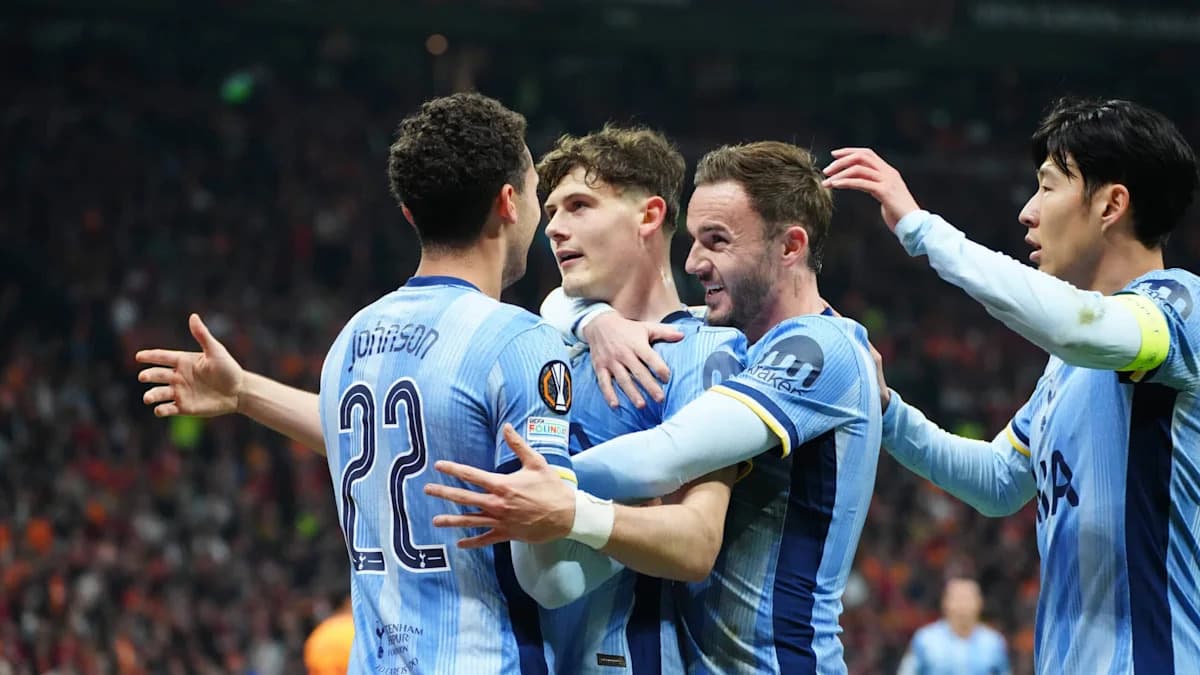
Around 18 months ago, Pochettino openly spoke about wanting to return to Spurs one day. Back then, the club were struggling under Ange Postecoglou. Since then, Postecoglou has gone, Thomas Frank and Igor Tudor have come and gone, and Tottenham have flirted dangerously with the drop.
So, did the call ever come to rescue them?
“Always I say, one day, why not?” he replies of a potential return. But on whether it was real this time, he is firm: “People talk and maybe we receive some approach, but it never was close.” Not this time.
Other jobs floated into view. AC Milan were mentioned. Pochettino shrugs at the speculation but doesn’t deny the interest.
“We were not open during the World Cup to talk with different clubs that were interested,” he says. Were there clubs? “Yes, always,” he answers, as if it is simply part of his working life. “Yes, always have different, you know, options,” he teases.
Did any come close? He shakes his head. “We never gave the opportunity to be close. We always closed the door before it got close.”
The USA project came first. Everything else was kept at arm’s length.
Spurs’ new money and old memories
Ask him about Tottenham now and you get a mix of analysis and affection.
“They are investing like other clubs,” he notes, pointing to the shift in strategy. Spurs are now spending big on players who already know the Premier League, a clear departure from the days when he operated on a far tighter budget.
He once took them to a Champions League final and pushed for the title while spending a fraction of what the club are outlaying now. So what would he have done with £300m?
There’s a mischievous grin. He feigns ignorance of what £300m even looks like.
Will this new approach work? “You never know,” he says. “We need time to see if that works or not.
“Like in all the games, when you make a decision like a coach that can work well or not. I think it’s a different strategy and a different way to operate. I always wish the best for Tottenham because it’s in my heart.”
The sentiment is genuine. The distance, for now, is real.
Chelsea, Xabi Alonso and a new direction
His other former Premier League club, Chelsea, are also trying to redraw their identity.
The role he once held as head coach is now labelled “manager”. The transfer policy has shifted too. Under Xabi Alonso, Chelsea have targeted Premier League-ready players rather than long-term “projects”.
Pochettino is careful not to wade too deeply into direct comparisons, but he recognises the intent.
Buying that profile of player, he concedes, means you “can expect to fight, to be a contender for the Premier League”.
Reality has already bitten. A defeat to Arsenal offered an early jolt for Alonso’s new regime. Pochettino, though, calls for calm.
“Of course they are disappointed after the defeat against Arsenal, but I think we need to give time to Xabi’s first season after three games in the Premier League,” he says. The same, he adds, goes for Tottenham. Projects need patience.
Arsenal, Arteta and the bar to beat
Patience, though, does not mean the standards are low. Not when Arsenal are setting the pace.
For Pochettino, there is no debate.
“Mikel [Arteta] is the best coach in the Premier League today,” he says. “Knowing what he needs to do, it’s going to be tough to beat them.”
That is the landscape he sees from his current vantage point: Arsenal out in front, Chelsea and Spurs trying to reassert themselves, and the Premier League still pulling at him from across the Atlantic.
For now, his world is red, white and blue. A four-year mission with the USA, a squad to mould, another World Cup to chase. After that?
He has already answered that. The ambition is not dimming. The league he calls home in footballing terms may yet call him back. The only real unknown is which club will be brave enough to hand him the kind of project he craves – and whether they do it before someone else gets there first.