Matheus Cunha and Harry Kane: The Obsession with Character in Football
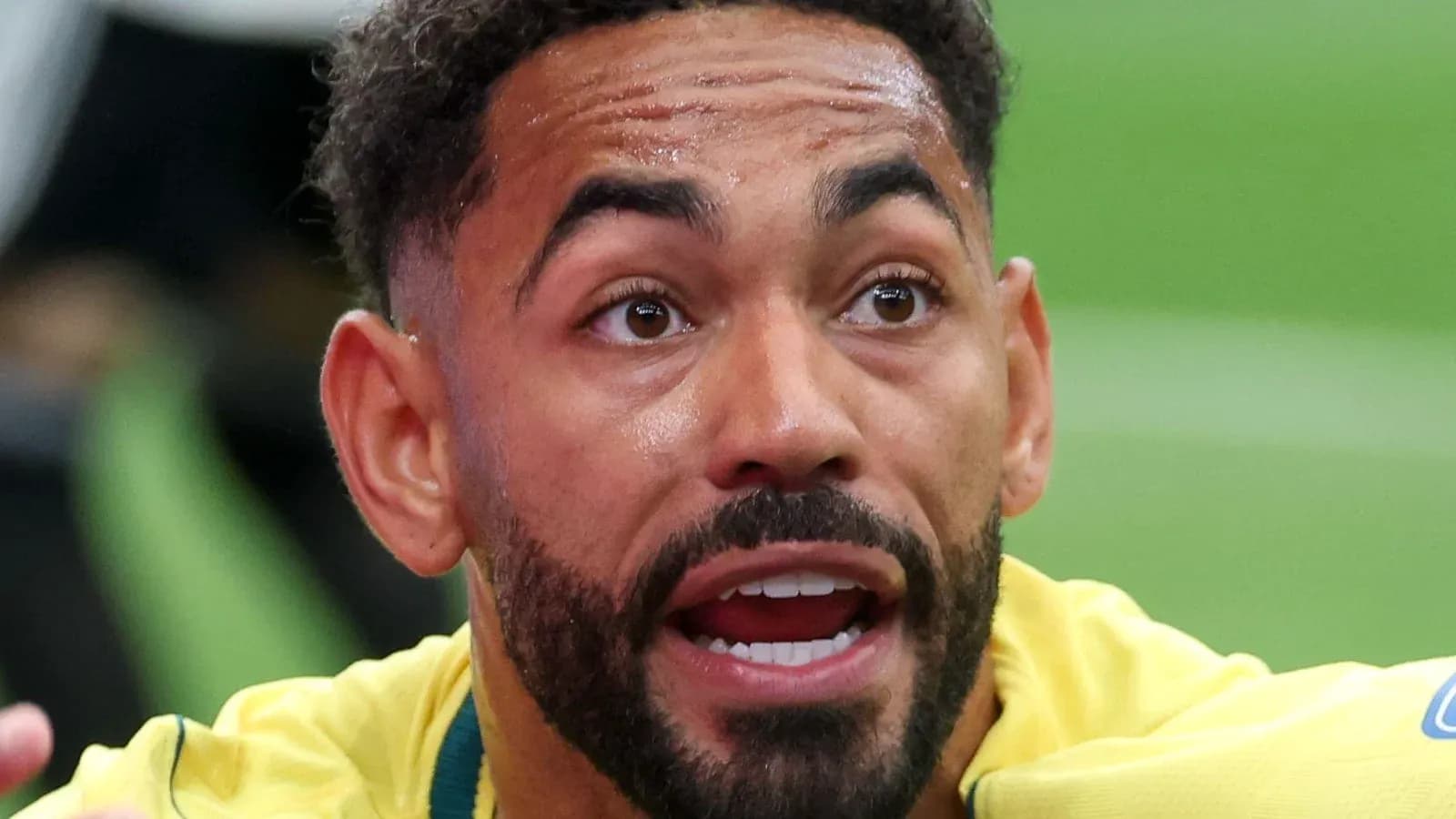
The World Cup has barely caught its breath and already the character assassinations are in full swing. This time, the charge sheet is a curious one: Matheus Cunha, we’re told, is too nice to ever be Brazil’s leading man – and probably too nice to succeed at Manchester United as well.
That’s the leap made around Brazil’s win over Japan, where Cunha briefly consoled Ao Tanaka before joining his teammates in celebration. A moment of empathy, seen by most as a basic act of sportsmanship, somehow becomes Exhibit A in a wider “awkward narrative” about the Brazilian forward.
The claim? Cunha “lacks the grit to go with the guile needed to become a great footballer, instead of a good one.”
This is news to just about everyone. This is also the same player once banned for removing an Ipswich security guard’s glasses during what could generously be called a fracas. You can argue about his ceiling as a footballer, about his finishing, his consistency, his decision-making in the final third. But the idea that he’s short on grit because he comforted a devastated opponent stretches the definition of analysis to breaking point.
From there, the conclusion is rolled out with a flourish: when Neymar finally steps away from the Seleção, the baton will go to Vinicius Junior, not Cunha.
Of course it will. Vinicius is already one of the world’s elite forwards and the face of Real Madrid. That succession plan has nothing to do with Cunha’s character and everything to do with talent, output and status. No Brazil coach, present or future, is sitting in an office worrying that Matheus Cunha is too considerate in the heat of a knockout game.
The game is ruthless. The framing doesn’t have to be.
Harry Kane, ego and a very selective lens
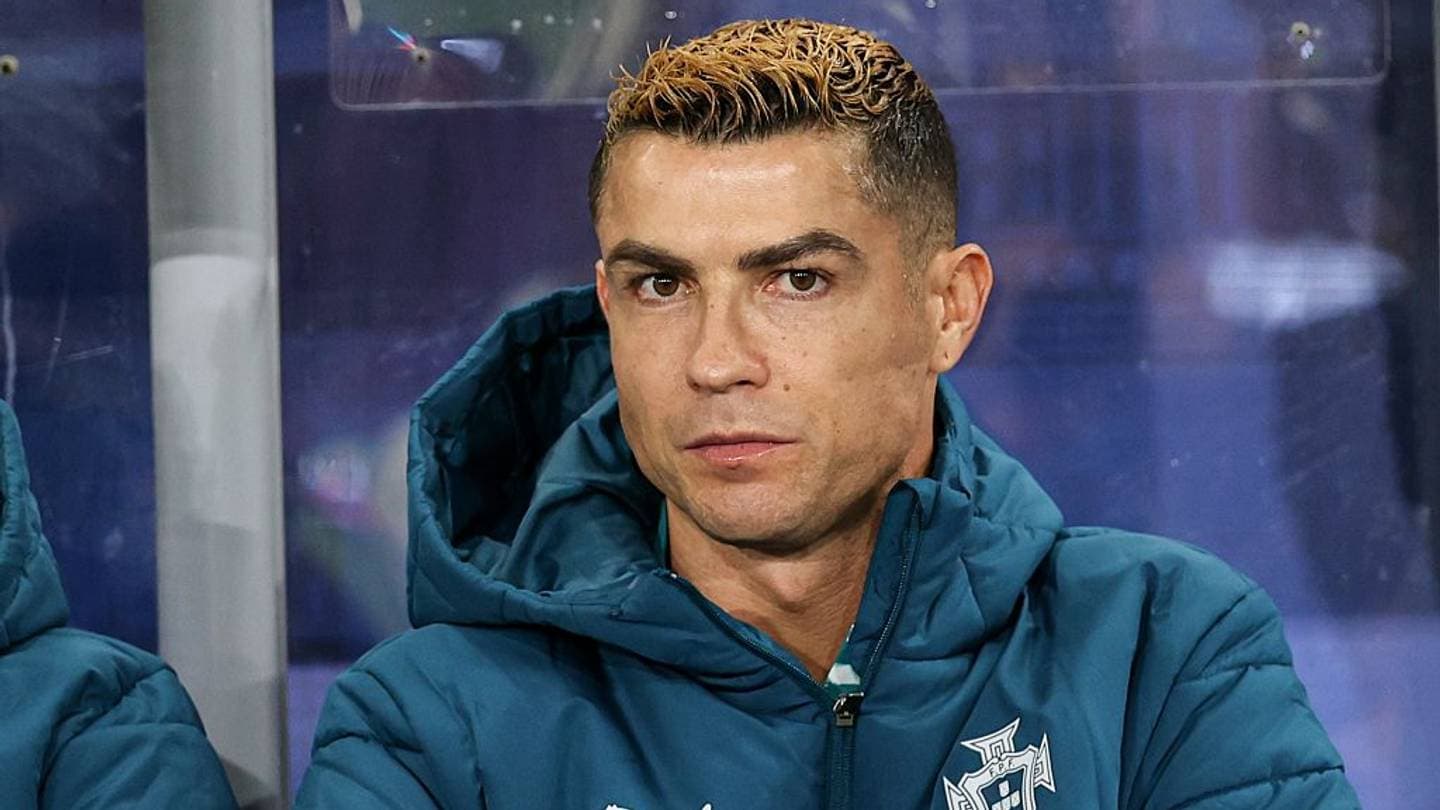
The same World Cup has also thrown up a very different kind of character study in Harry Kane. Craig Hope of the Daily Mail describes the England captain as “the humblest of superstars” who somehow “does not have an ego in a traditional sense” while still possessing “a stubborn streak of high self-regard.”
It’s an intriguing tightrope. On one hand, Kane is painted as the model of modesty. On the other, we’re reminded that you don’t score his volume of goals without a serious belief in yourself. Those two ideas can comfortably coexist, but the language matters, especially when you compare how other players are framed.
Because while Kane is the “humblest of superstars,” Jude Bellingham has previously been labelled a “divisive soloist,” a “poster boy for moodiness,” a “brand ambassador for petulance” and “an angry young man.” Same tournament, same pressure, wildly different tone.
Kane’s ambition is then used to sketch out a potential move to Barcelona, with Bayern Munich and the Bundesliga cast as the sensible, slightly dull option. “Bayern is not Barca and the Bundesliga is not LaLiga. Der Klassiker is not El Clasico. Der Klassiker is Bayern versus Dortmund, by the way.”
As if football’s global audience needed the explainer.
Bayern, we’re reminded, are “stable,” “familiar” and “logical,” while the Nou Camp is “irresistible.” This on the back of a season in which Bayern went further in the Champions League and won more trophies. Barcelona’s history is immense, their aura real, but the casual downgrading of Bayern to something like a safe, grey choice jars with reality.
The story of Kane’s future is complex and fascinating on its own terms. It doesn’t need Europe’s most relentless trophy machine written off as the sensible option for the boring man.
England’s “boost” and Brazil’s reality
Across the coverage of Brazil’s win over Japan, England also get dragged into the narrative. One report suggested it “looked as though the Three Lions were going to be given a major boost” when Japan took the lead, with Brazil at risk of going out.
The context? England lost to Japan three months ago. Hardly a side you circle as a “major boost” on the bracket. In fact, England have beaten Brazil more recently than they’ve beaten Japan. The idea that a clash with the Japanese would be some kind of gift doesn’t survive even a cursory look at recent results.
But this is what tournaments do. One result in one game and suddenly half the draw is being rewritten in people’s heads. The reality is more grounded: Japan are awkward, organised and dangerous; Brazil, for all their talent, are still trying to work out exactly who they are in the post-Neymar landscape.
What they don’t need is their forwards being psychoanalysed for showing basic human decency.
Nagelsmann, a “snap” and the gendered headline
Germany’s exit on penalties to Paraguay brought another angle entirely. The focus quickly shifted from the shootout to Julian Nagelsmann’s interview with reporter Lili Engels, framed by one outlet as: “Germany manager Julian Nagelsmann snaps at female reporter’s questioning after being knocked out of the World Cup by Paraguay – as Jurgen Klopp eyes up his job.”
Two things jump off the page.
First, the insistence on “female reporter” in the headline. Inside the piece, she’s referred to simply as a reporter. The gender tag appears to exist mainly to sit beside a photo of a young woman and to alter the perceived dynamic of the exchange. “Nagelsmann snaps at reporter” reads one way. “Nagelsmann snaps at female reporter” suggests something sharper, more loaded, even when the content doesn’t back that up.
Second, the description of Nagelsmann as “infuriated” and “snapping” doesn’t quite tally with the footage. What you see is a slightly tense back-and-forth between a coach under huge pressure and a journalist doing her job. No shouting. No meltdown. No real “snap.”
It’s football. A manager has just gone out of a World Cup. The temperature will rise a little. If this is now the threshold for a “snap,” you wonder how some newsrooms would cope with a truly hostile press conference.
Klopp’s name hovering in the headline adds another layer of theatre, of course, but the job of reporting is to capture what actually happened, not inflate a routine exchange into a flashpoint.
The fixation on character
Thread these stories together and a pattern emerges. Cunha is too nice. Bellingham is too moody. Kane is humble but somehow above reproach. Nagelsmann is snapping, especially at a “female reporter.” Japan are a “boost” despite recent evidence to the contrary. Bayern are the safe choice. Barcelona are the dream.
Football has always been about more than numbers and tactics. Personality, ego, temperament – they all matter. But the rush to define players and managers through neat, marketable labels leaves little room for nuance.
Matheus Cunha can be both kind in a moment of heartbreak and ruthless in the penalty area. Harry Kane can be modest in public and utterly convinced of his own greatness in private. Julian Nagelsmann can be irritable after a defeat without becoming the villain of the piece.
The World Cup will keep throwing up drama on the pitch. The real question is whether the stories around it will keep chasing caricatures, or start treating the people in the game as something more than a headline-friendly typecast.