Manchester United’s Transfer Strategy: Value Deals and Key Positions
Manchester United are no longer trying to win the transfer window headline race. Under Sir Jim Ratcliffe’s control of football operations, the era of chasing the next £100million superstar has been quietly parked, at least for now.
That doesn’t mean United will never break that barrier again. But with Paul Pogba’s £89m fee from 2016 still standing as the club record, there’s every chance it remains untouched for a while yet.
Why United Aren’t Spending Like Tottenham and Arsenal
Supporters look at Tottenham and Arsenal throwing big money at “ready-made” players and wonder why United are shopping in a different aisle.
The answer is simple: the squad needs too much work for one galáctico signing to make sense.
A full midfield rebuild is already under way. Other areas – notably left-back and depth in attack – still need attention. Spreading the budget is the only realistic way to cover that many holes. This was never going to be a summer of one blockbuster arrival.
History also matters here. United usually splash out when they’ve missed out on the Champions League, gambling big to get back in. This time, they finished in the top three last season. With that safety net in place, the club always leaned towards a leaner window than last summer’s £225m outlay.
This is a recalibration, not a fire sale.
The Left-Back Issue: Urgent, and Still Unresolved
One question from the fanbase cuts straight through the noise: when are United signing a left-back?
It’s the most obvious gap in the squad. And it’s still unfilled.
Lewis Hall was there as a potential solution. Newcastle’s left-back ticked a lot of boxes, and United’s failure to properly test Newcastle’s resolve feels, at best, unambitious. Whether Hall would have pushed for the move is unknown, but United never really forced the issue.
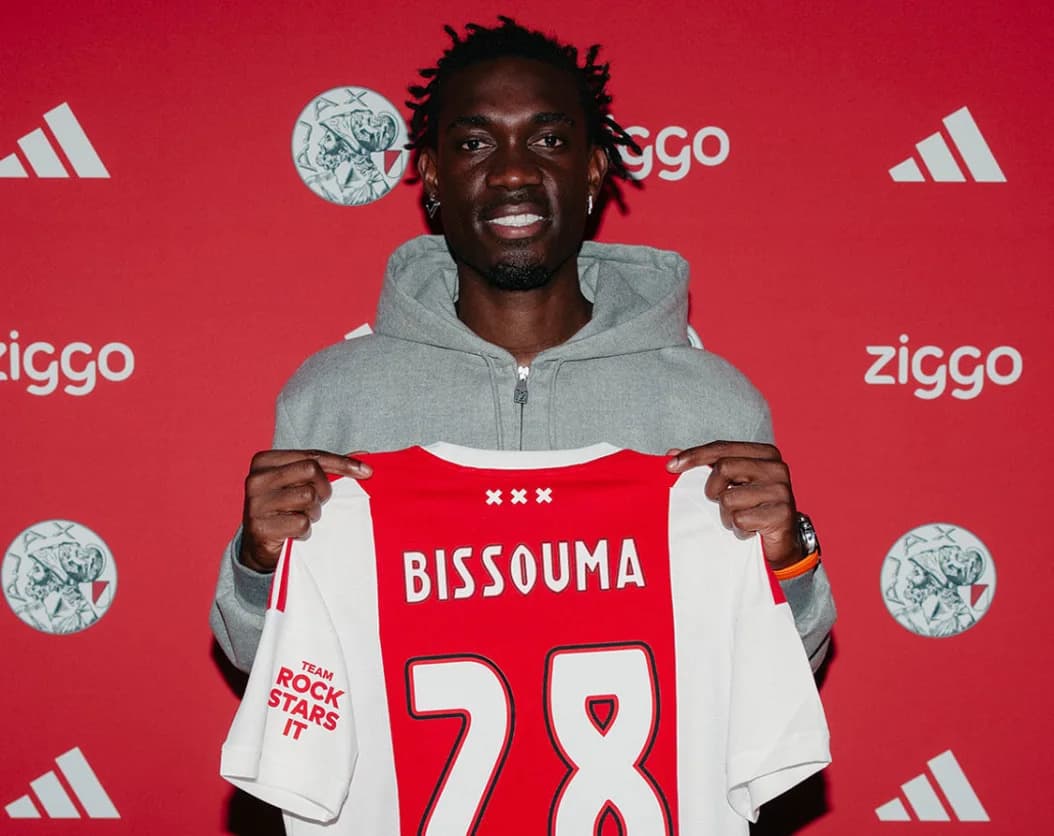
The stance from inside the club is clear: they want a left-back, but only at the right price. The recent arrival of Carlos Baleba underlined a broader shift in thinking. United walked away from a deal for him last summer when the numbers didn’t stack up. They waited, the price came into a range they liked, and they moved.
That same discipline is now holding up the left-back hunt.
It’s a risky game. Luke Shaw stayed fit last season, but his injury history is long, and this campaign brings a congested schedule. Behind him, Harry Amass is talented but nowhere near ready to be trusted as a Premier League regular.
To say all of United’s good work this summer would be undone without a new left-back is over the top. But the concern is justified. The lack of urgency jars with the reality of Shaw’s body and the demands of the season ahead.
Mainoo, Baleba and the Shape of United’s Midfield
Another theme running through the questions is Kobbie Mainoo. He’s the player many fans want to see as the heartbeat of United’s midfield. So why isn’t he starting every week? And has the signing of Baleba put his minutes at risk?
The short answer: no.
Mainoo and Baleba are very different profiles. There is every chance they end up starting together regularly this season rather than competing for the same spot.
Mainoo’s situation is straightforward. He only returned to pre-season training less than three weeks ago. That left him with little chance of starting the opening-day defeat at Hull. He came on midway through the second half at the MKM Stadium, and that appearance now puts him firmly in contention to start on Sunday.
Inside the club, there is no doubt about his status. Mainoo is both the present and the future of United’s midfield. He will play. A lot.
Baleba, meanwhile, has been brought in to add power, legs and defensive security in the centre of the pitch – qualities United have lacked for years. To dismiss him as “not as good” as Mainoo misses the point. They are complementary pieces, not duplicates.
A Mainoo–Baleba partnership could end up defining this phase of United’s rebuild.
Depth Up Front – and the Mateta Idea
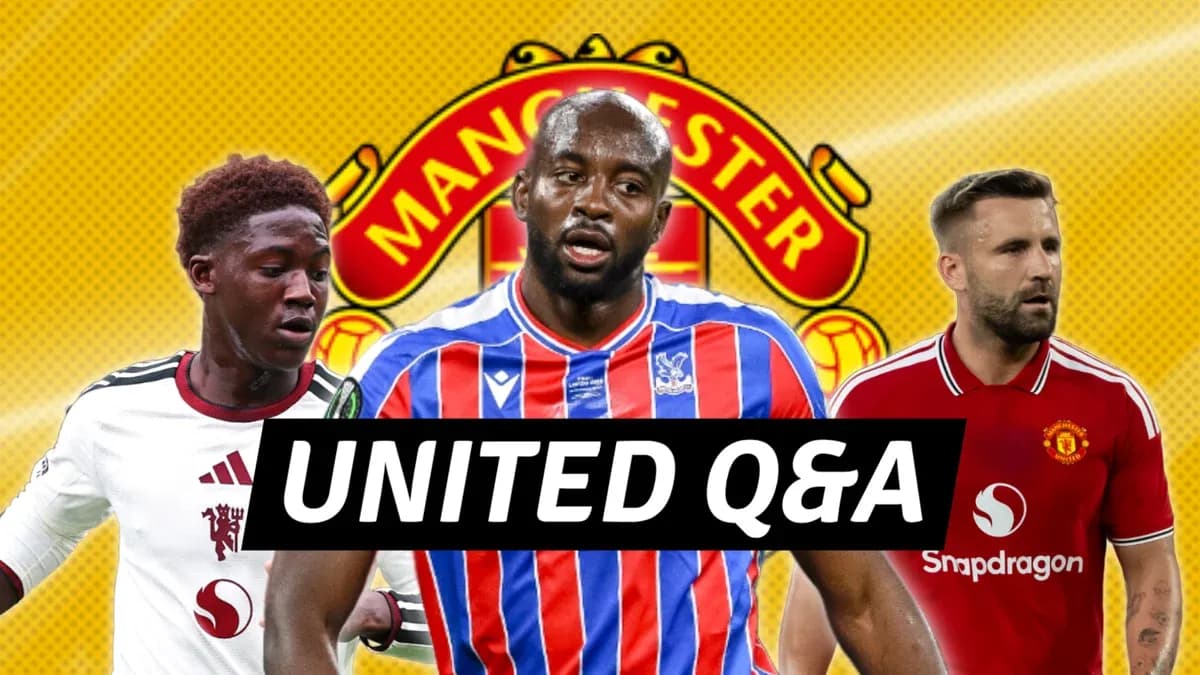
One supporter floated a specific name for the forward line: Jean-Philippe Mateta as experienced backup for Benjamin Sesko.
On paper, it makes some sense. Mateta offers Premier League know-how and a physical presence that could ease the burden on Sesko. United do need depth behind their new No 9.
But the club’s summer priorities have been clear: reshape the midfield, find a left-back, maintain financial discipline. Any move for a backup striker has to fit within that framework, not cut across it.
The bigger question is whether United can afford to leave themselves short in two key areas – left-back and centre-forward cover – while trying to play a high-intensity, high-stakes season on multiple fronts.
For now, the strategy is obvious: controlled spending, targeted signings, no panic buys. The logic is sound.
The risk is brutal. If Shaw breaks down and Sesko is overworked, will that discipline still look like smart planning in May?