Manchester United's New Approach: Points Over Spending
Manchester United used to dominate a very different table. For more than a decade, they were the standard-bearers of excess, routinely sitting atop the Premier League’s spending charts.
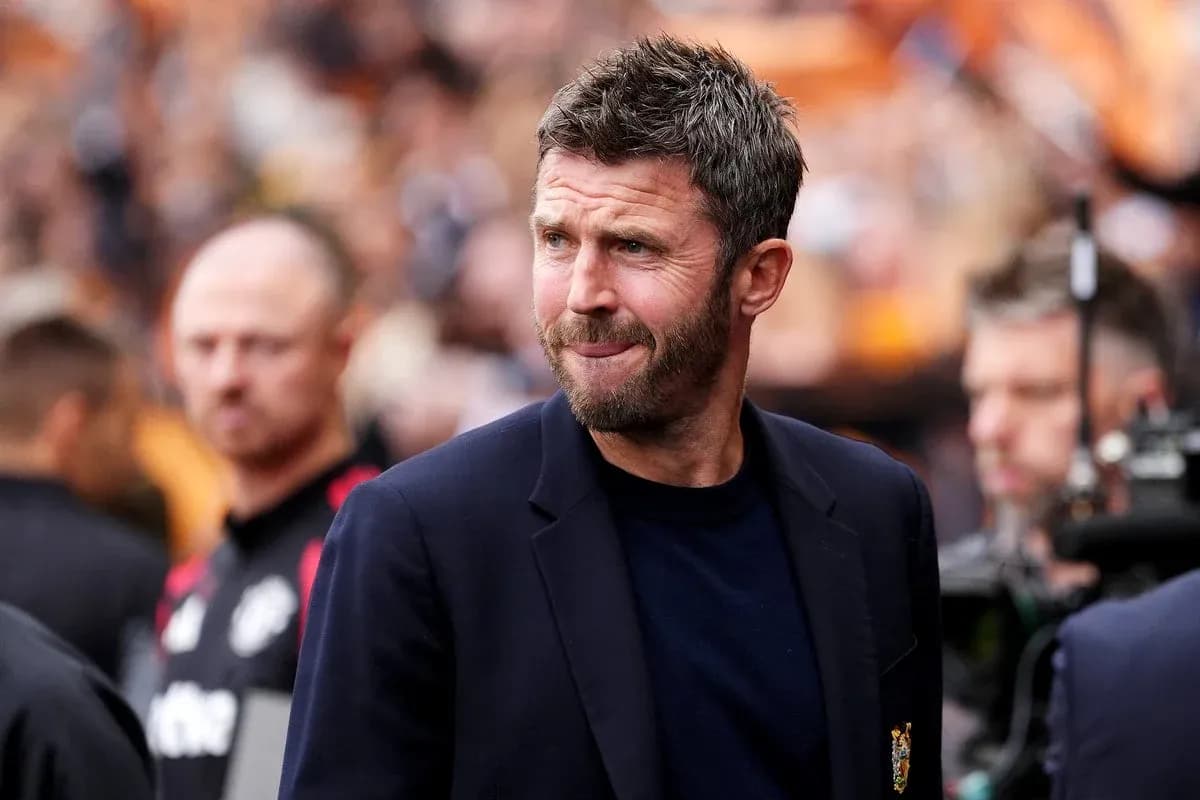
Under Michael Carrick, they now lead in something far more useful: points won. Since his appointment in January, no club has taken more. On the pitch, United finally look like a serious team again. Off it, they suddenly resemble something else entirely – a club trying to live within its means.
A new kind of mid-table
When the transfer window shut, the numbers told a story few at Old Trafford are used to reading. According to Transfermarkt, United sat in the bottom half of the Premier League for gross spend.
They laid out £148m, potentially rising to £155m, and every penny of that went on midfielders. No senior striker. No extra defender beyond what they already had. No late splurge to soothe nerves.
Manchester City sailed past £400m. Chelsea and Tottenham both cleared £300m. Newcastle, Aston Villa, Liverpool and Arsenal all pushed beyond £200m. United? Down in 11th place, outspent by promoted Ipswich and Hull.
Is this austerity, Old Trafford style?
Carrick will not say it. He will not publicly question the club’s direction. Instead, he leans into what he has.
“Certainly, the players that we've brought into the group, I'm absolutely delighted with,” he said. “I think we've done some really good business there for the quality and the level of player that we've got. You can always look at it, and there's other things you can do or possibly could have done.”
The last line lingered. The sense that United wanted more – and could not get it – was hard to ignore.
Targets they could not reach
The gaps in the squad are obvious. A left-back was widely viewed as essential. Another centre-forward felt like common sense. Neither arrived.
United were offered Rayan Ait-Nouri on loan on deadline day. They passed. Lewis Hall? Even if Newcastle had been willing to sell, United were in no position to compete for that kind of deal this summer.
This was not a case of United turning their noses up at the market. It was a case of the market turning on them.
A familiar problem resurfaced: they still cannot sell.
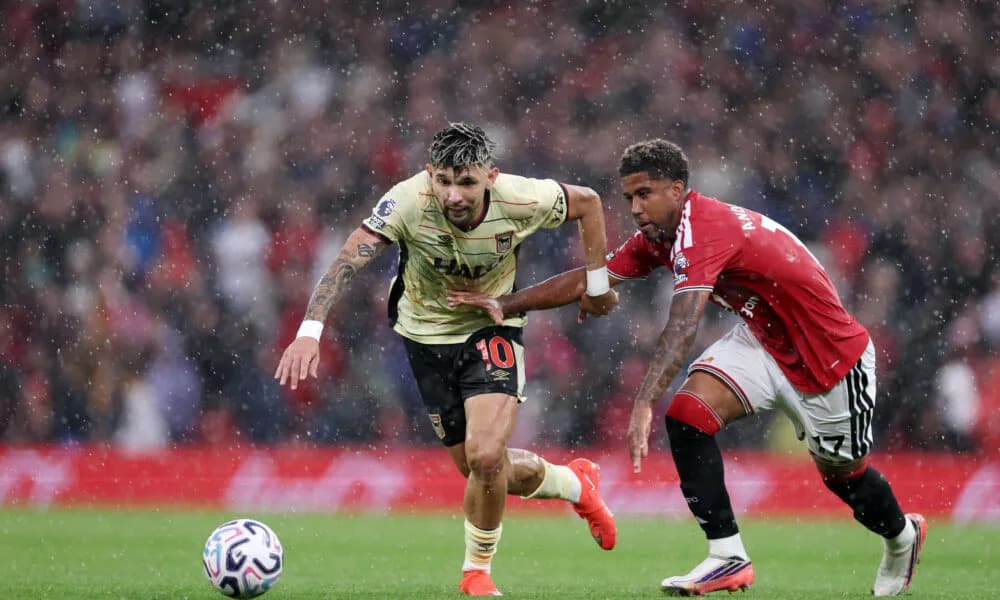
The plan at the start of the summer likely involved significant income. Manuel Ugarte’s injury at the World Cup shattered any hope of a major fee for the Uruguayan. Andre Onana did not bring in the money they might once have expected; Joshua Zirkzee remains at Old Trafford rather than cashing in on a forward with suitors.
Barcelona declining to take up their option on Marcus Rashford may prove a blessing. The proposed £26m fee already looks like a throwback to a different financial era, and unlike others in the shop window, Rashford has the ability to grow into a first-choice cornerstone of Carrick’s side.
But the broader picture is stark. United may have imagined an extra £50m in sales, perhaps even closer to £100m. Instead, the only truly notable income came from a deal for Rasmus Hojlund with Napoli that was structured back in 2025. Strip that out and only Coventry made less from outgoing transfers.
On the net-spend table, United climb a little higher, largely because clubs such as Villa and Chelsea actually made profits and Newcastle spent much of the summer flirting with a surplus. Yet United still look like an outlier in a league increasingly defined by constant trading.
Paying for past mistakes
There is another uncomfortable truth. The market has exploded, and United seem to have been caught cold.
Midfielders they admired – Elliot Anderson, Mateus Fernandes – started going for huge sums. The kind of money United once threw around without blinking suddenly felt out of reach.
Any “credit crunch” at Old Trafford is not just about the present. It is the hangover from years of expensive missteps.
Big-money losses on the likes of Antony and Casemiro have finally come home to roost. Even last summer’s relative bargain in Senne Lammens sits alongside questions about whether United overpaid for at least part of their £200m attacking trio of Bryan Mbeumo, Mateus Cunha and Benjamin Sesko.
Every set of annual accounts tells the same story: millions still owed in transfer instalments to other clubs. Then there is the interest, the recurring cost of the Glazers’ leveraged ownership, quietly draining resources year after year.
Ruben Amorim’s brief and bruising reign added another layer of expense. United paid Sporting CP €11m in compensation to prise him away, then continued to pay the Portuguese coach after his sacking.
Finishing 15th in the Premier League in 2025 hurt them again, this time in prize money. Crashing out of the Carabao Cup to Grimsby under Amorim and falling to Brighton in the FA Cup under Darren Fletcher meant a season of just 40 games. Fewer fixtures, fewer broadcast and matchday revenues. Less room to manoeuvre.
A budget rebuild with big-club pressure
So this was the rebuild: not lavish, not showy, but calculated.
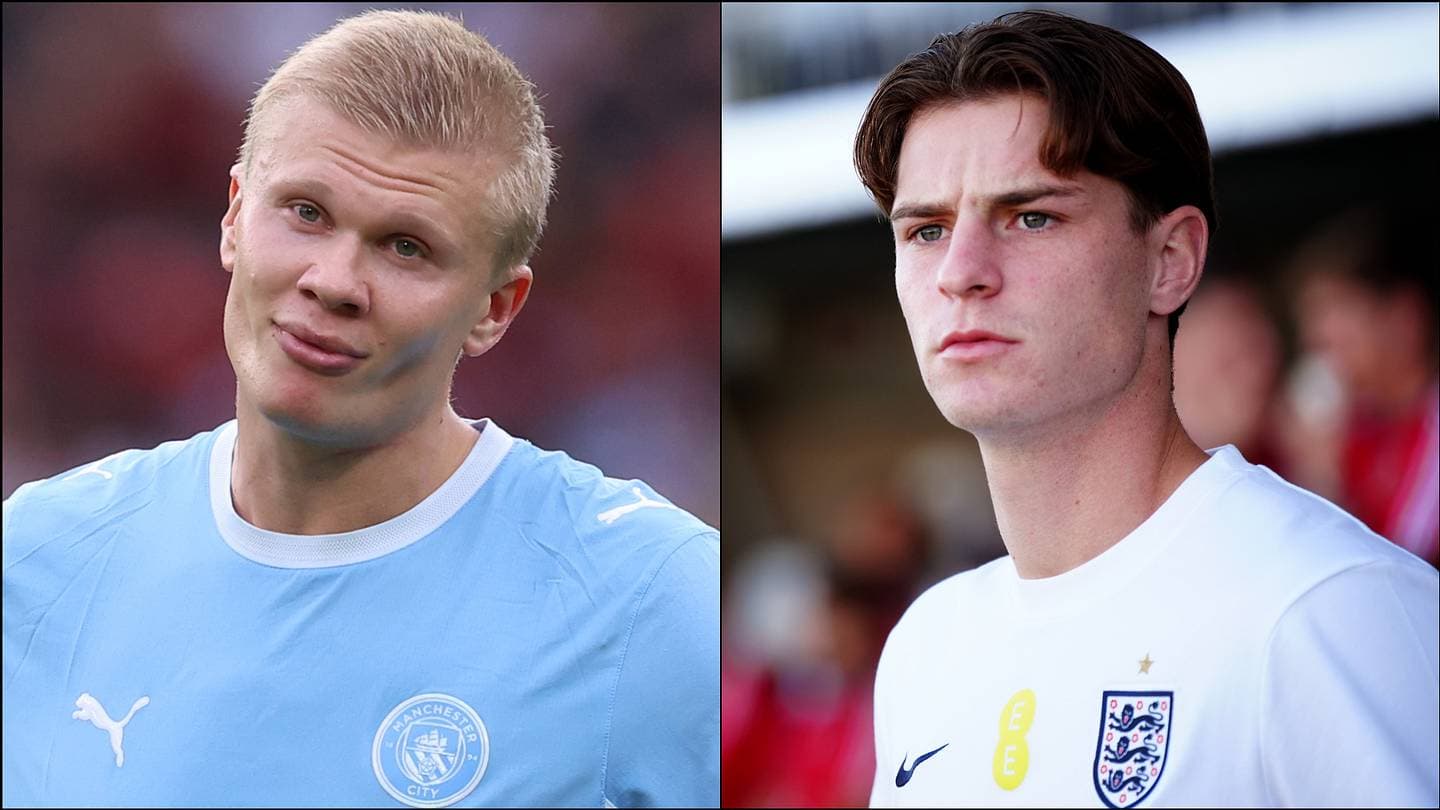
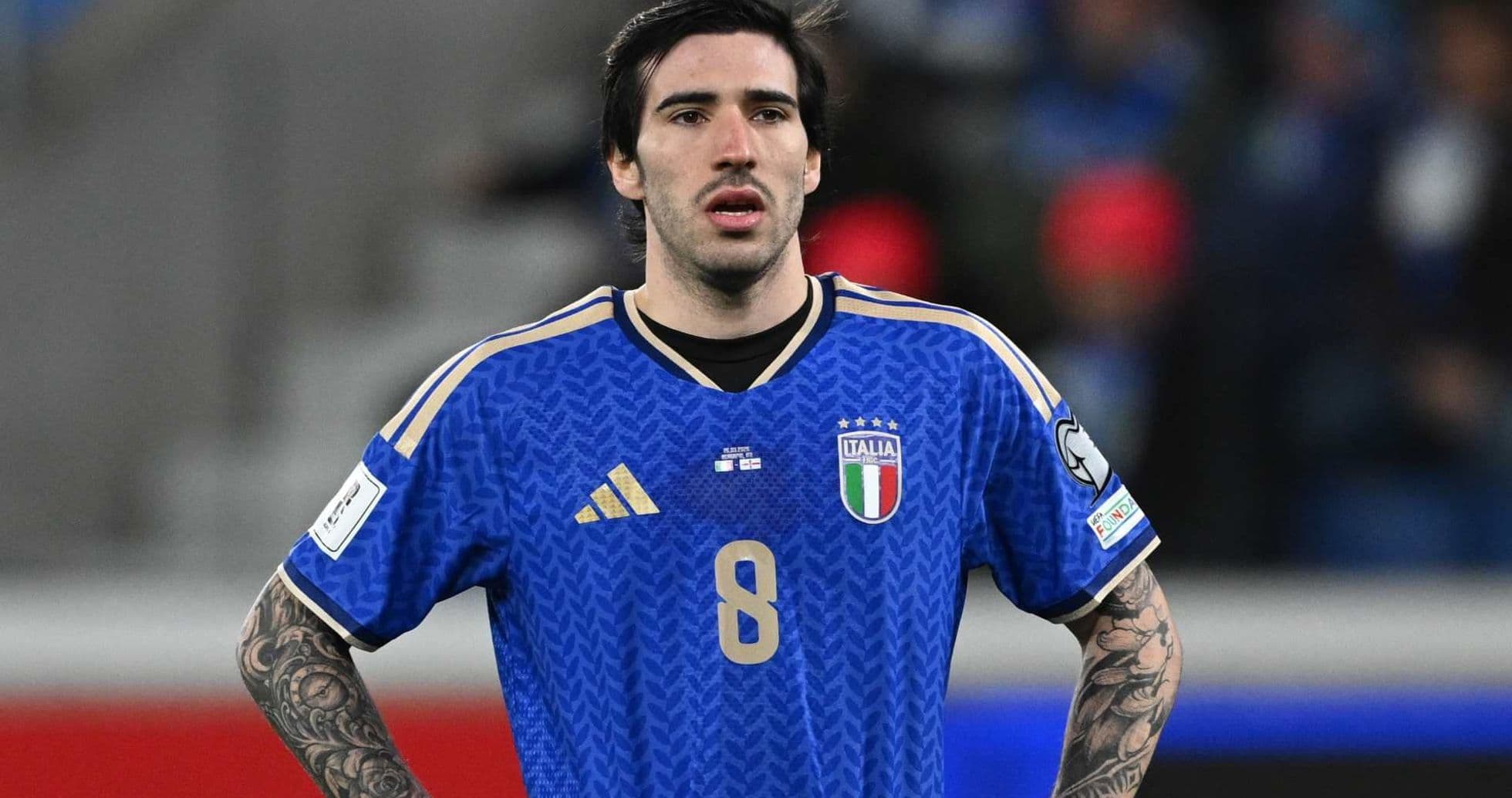
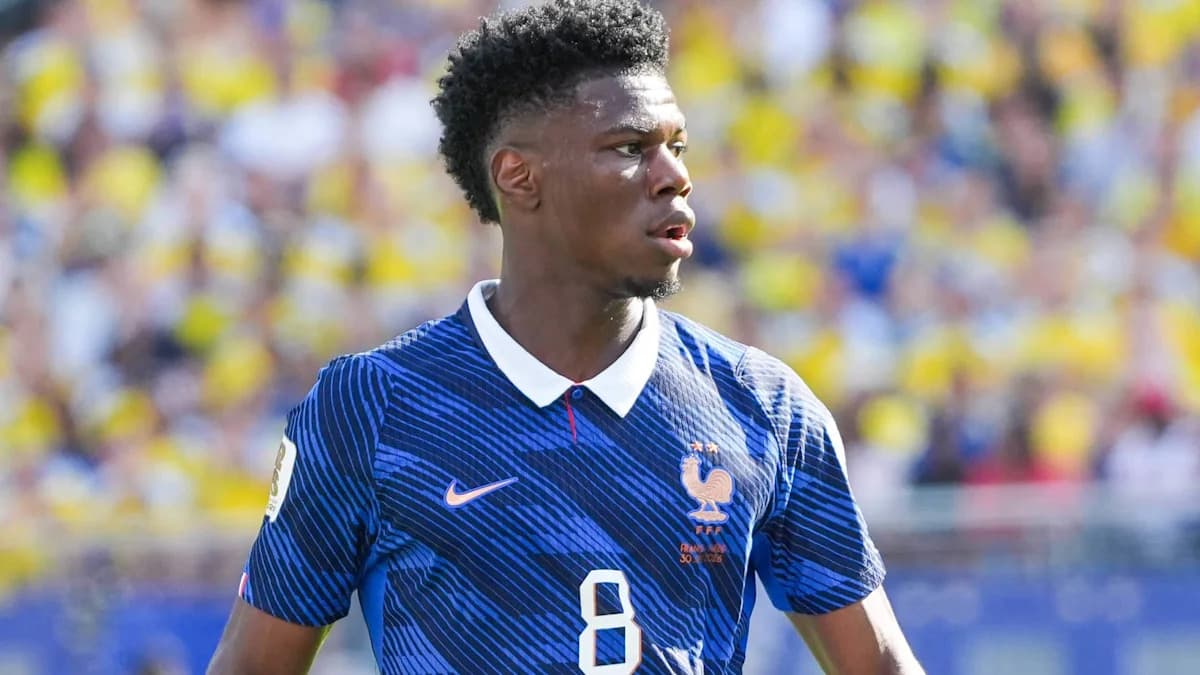
Youri Tielemans arrived via a £35m release clause – £90m cheaper than Enzo Fernandez. Andrey Santos cost £77m less than his former Chelsea teammate, even though he often watched from the bench at Stamford Bridge while Fernandez started.
At an initial £65m, Carlos Baleba was the priciest of the new midfield trio, yet his deal still ranked only as the 10th biggest Premier League transfer of the summer.
This is what restraint looks like at Manchester United in 2026: still spending, still ambitious, but boxed in by old decisions and new realities.
Carrick has them top of the table that matters most. The question now is whether this leaner, more cautious United can stay there without returning to the kind of spending that helped drag them into this corner in the first place.