Manchester City Begins New Era Under Enzo Maresca
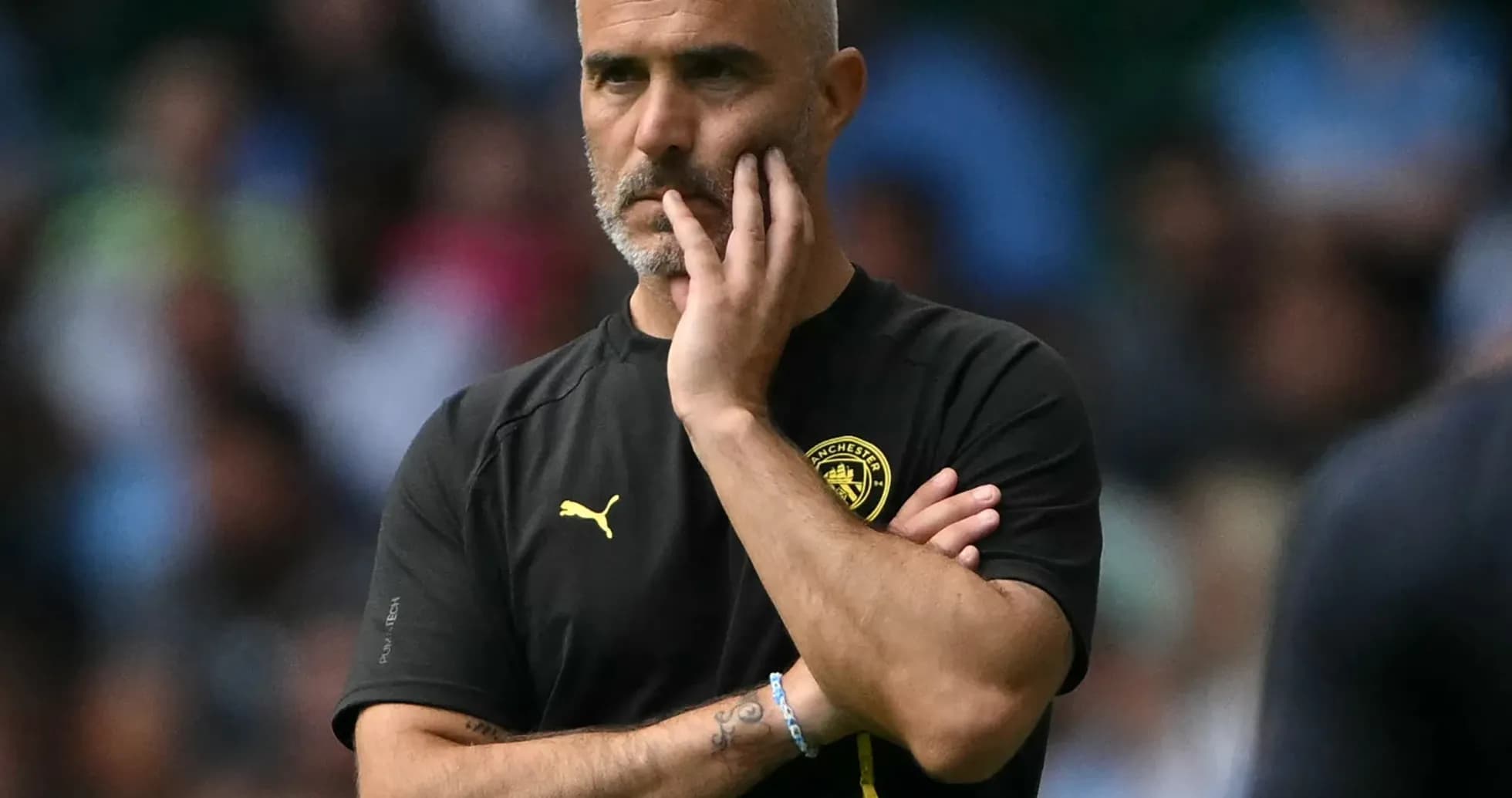
For the first time in a decade, Manchester City walk into a season without Pep Guardiola prowling the technical area.
The Spaniard’s exit slams shut the most gilded chapter the club has ever known: six Premier League titles, one Champions League, and a transformation from ambitious contender to the defining force of modern English football.
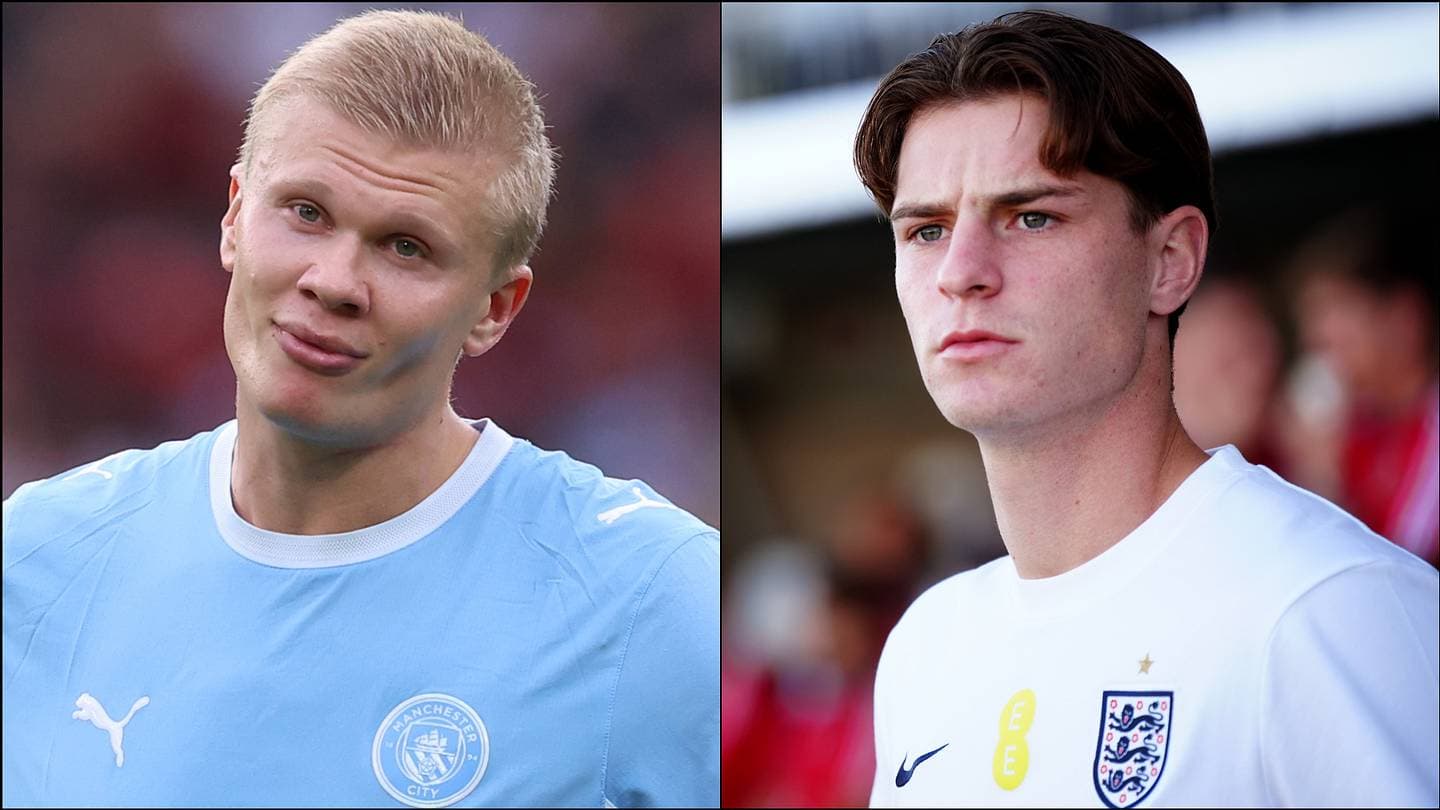
In his place steps Enzo Maresca. The Italian inherits Erling Haaland and a dressing room stacked with elite talent, but also a job that has crushed bigger reputations. Following a legend is never just about tactics. It’s about surviving the comparison.
As City prepare to open their league campaign at home to Bournemouth on Sunday, the new era begins with more questions than answers.
Can Maresca live in Guardiola’s shadow?
This is not a normal handover. For 10 years, City have been built around one man’s ideas, training methods and personality. The entire club – from academy to recruitment – has moved to Guardiola’s rhythm.
No surprise, then, that the parallels with Manchester United post-Sir Alex Ferguson are already being drawn. One giant leaves. The structure he shaped stays behind. Can anyone else make it sing?
Maresca is not an outsider parachuted in. He stood beside Guardiola during the treble-winning season, then went on to carve out his own reputation at Leicester and Chelsea. City’s hierarchy see him as continuity, not revolution.
That’s the point. They have not torn up the blueprint. In possession, City are expected to look familiar: positional play, patient circulation, control through the ball. The difference must come in the details, in the way Maresca stamps his personality on a group who have heard only one voice for so long.
That carries risk. Maresca is known as a demanding, sometimes combustible figure who can clash with players and staff. At a club where expectation is sky-high and last season ended with a runners-up finish, any internal friction will be magnified.
The first competitive glimpse did nothing to calm nerves. Arsenal ripped through City 3-0 in the Community Shield last Sunday. One game does not define a reign, but it was a brutal reminder of how little margin for error he has.
Life after Rodri: an impossible hole to fill?
If losing Guardiola is seismic, losing Rodri is something else entirely on the pitch.
For years he has been City’s metronome and shield, the player who knits everything together with his passing angles, positioning and defensive reading. This summer he dragged Spain to the World Cup title and took home the Golden Ball. Then he left for Barcelona.
There is no like-for-like solution. City’s response has been to bulk up midfield in a different way, paying a reported £116m ($153m) to bring in England international Elliot Anderson from Nottingham Forest. Anderson brings legs, aggression, ball-winning, and a drive to carry the ball forward. He is a progressive, box-to-box presence, not a pure holding pivot.
City are also expected to push for 18-year-old Lille midfielder Ayyoub Bouaddi, a highly rated but very raw talent. He is one for the future, not someone to instantly replace the best defensive midfielder in the world.
And that is the crux. Rodri is, for many, irreplaceable. Maresca may have to spread his responsibilities across a younger, more energetic unit and trust that collective solutions can cover the absence of one irreplaceable brain.
Can Maresca cure City’s late-game frailty?
For all their quality, City let the title slip away last season in ways that will have infuriated Guardiola. They dropped 17 points from winning positions – a staggering waste for a team of their control and experience.
Maresca arrives with a reputation for a more pragmatic edge, a willingness to manage games rather than dominate every minute for the sake of it. That mindset might be exactly what City need when protecting slender leads.
But the personnel have changed. John Stones, Bernardo Silva and Nathan Ake have all departed this summer. Those three were central to City’s ability to slow games down, keep the ball, and suffocate opponents when it mattered most.
So the tactical question is blunt: do the new arrivals fit a more controlled, game-management-heavy approach, or will Maresca be trying to play safety-first football with players built for chaos and transition?
Is Haaland’s firepower enough?
Whatever else changes, one constant remains: Erling Haaland.
When City function, the Norwegian is a nightmare. His movement, power and finishing still terrify defences across the league. He will again be the focal point of everything City do in the final third.
But last season showed the danger of leaning too heavily on one man. When supply lines dried up or his form dipped, City’s entire attacking structure looked fragile. The goals slowed. So did the points.
Omar Marmoush offers depth, but he is nowhere near Haaland’s level. He is a squad option, not a co-star. That puts pressure on Maresca to diversify the threat – to get more goals and creativity from wide players, attacking midfielders, and late runners from deep.
If City become too predictable – ball into Haaland or nothing – their title push will again rest on a knife-edge.
World Cup fatigue and a restless summer
All of this unfolds against a backdrop of tired legs and an unsettled squad.
City sent a large chunk of their core deep into the World Cup. Haaland, Doku and others were still involved in the final week, with six first-team players going the distance. It has left Maresca with a smaller, disrupted group for the early stages of pre-season, at the very moment he needs time on the training ground to impose new ideas.
The impact was visible at Wembley. Against Arsenal in the Community Shield, City looked blunt and flat, second-best in intensity and sharpness.
“I don’t know if it was physical condition, we had many players at the World Cup,” Maresca admitted afterwards. “After the first goal the reaction was very good, but after the second goal it was more complicated.”
That is the reality he walks into: a squad still digesting a draining summer, key leaders gone, a legendary manager replaced, and a fanbase that still expects a title challenge as standard.
The Guardiola era is over. The question now is not what City have been, but what Maresca can make them next.