Luka Vuskovic: Germany's Rising Midfielder Faces National Team Dilemma
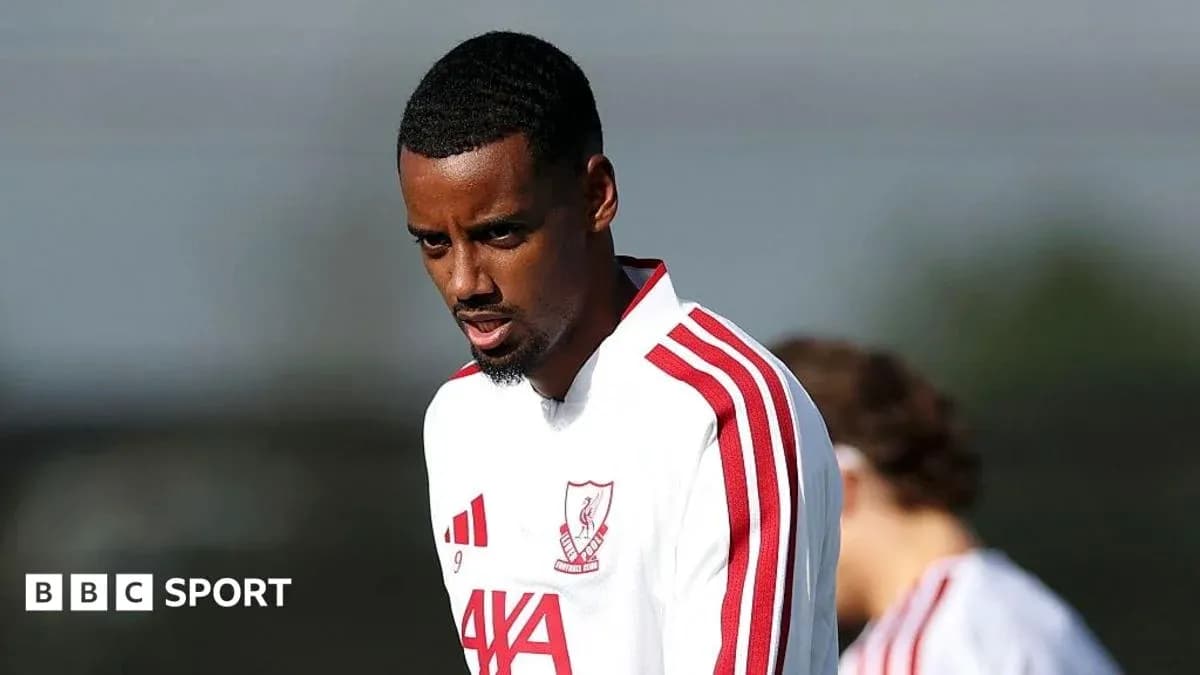
Germany is bracing for the possibility of losing yet another dual-national jewel, and this time the spotlight falls on Schalke’s rising midfielder Luka Vuskovic.
Croatia step on the gas
After his eye-catching first-team appearance against Bayern Munich in the second round of the league, Vuskovic has moved from promising prospect to urgent priority. According to German outlet "Bild", the Croatian Football Federation have intensified their push to convince the 19-year-old to wear their colours, leaning on his family roots that make him eligible for both Croatia and Germany.
For now, the decision is wide open. Vuskovic has never represented any country at youth level and has not played a minute for the German senior side. As "SPOX" reports, that clean slate means he can still freely choose which national team to commit to.
Whether the German Football Association have actually sat down with the player is not yet known. What is clear is that his rapid rise is shrinking Germany’s margin for hesitation. His debut for Schalke against Bayern did not go unnoticed, and every strong performance from here on will only crank up the pressure on officials in Frankfurt.
Schalke move to protect their asset
At club level, Schalke have already made their move. Last Thursday, they announced a contract extension for Vuskovic, tying the defensive midfielder down until 2029. That deal came after, according to reports, he attracted interest from several 2. Bundesliga clubs during the summer window.
Schalke’s stance is obvious: they see him as a long-term pillar. The national-team tug-of-war will now play out around a player whose club future looks settled.
A growing problem for Germany
The Vuskovic situation slots neatly into a pattern that has increasingly worried German football. In recent years, the country has watched a stream of dual-national talents choose other flags.
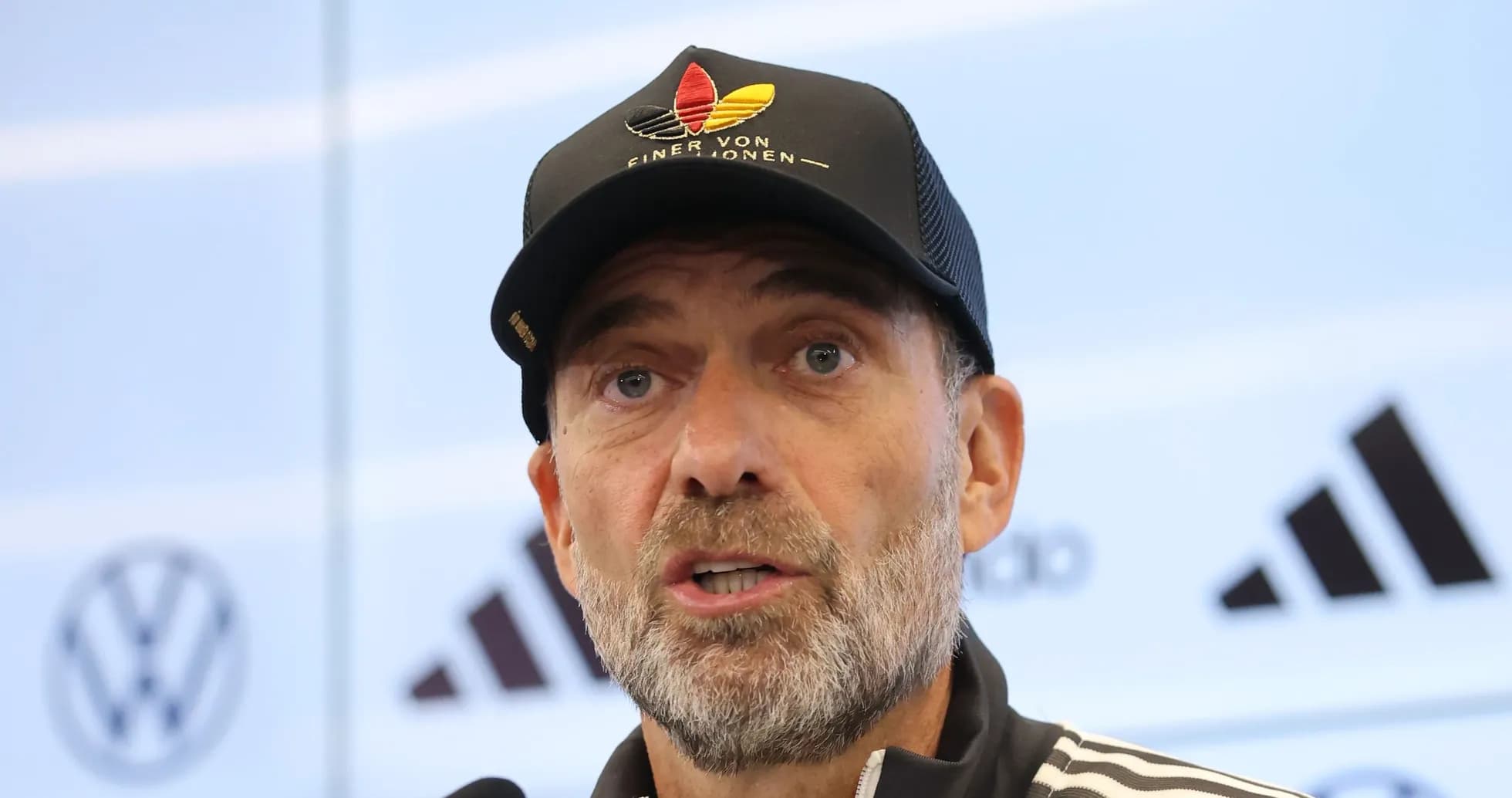
One of the most striking examples is right beside Vuskovic in the Schalke dressing room. Soufiane El Fouzi opted for Morocco, boosting his international prospects and pushing his name into the conversation for Jurgen Klopp’s selection plans there.
Can Uzun and Kenan Yildiz also slipped through Germany’s fingers. Both had previously worn the German shirt at youth level, yet ultimately committed to Turkey, underlining how fragile those early ties can be.
The story is not finished with the next generation either. Paris Brunner, called up to the Germany under-21 side for the first time on Friday, remains a question mark. The young forward is drawing serious interest from the Democratic Republic of the Congo. Coach Sebastien Desabre has confirmed contact with Brunner’s parents and stressed that there will be no pressure on the player, but the very fact those conversations are happening keeps German nerves on edge.
Some battles won, others still raging
Germany have not lost every duel. There have been important wins in this space, and they matter.
Under-21 coach Antonio Di Salvo recently expressed his satisfaction that Nnamdi Banks and Louai Ben Farhat have committed to continuing on the “German path”. Banks had attracted interest from the United States, while Ben Farhat has already played twice for Tunisia. Those games were not official fixtures, which technically still leaves the door open for a switch, but for now Germany can count both among their own.
That contrast is stark. On one side, secured talents like Banks and Ben Farhat. On the other, open cases like Brunner and high-risk files like Vuskovic, who has yet to wear any national shirt.
And so the race for Luka Vuskovic becomes more than a simple recruitment story. It is a test of how quickly and convincingly Germany can act in an era where one phone call from another federation can change the course of a career – and perhaps the shape of a national team for years to come.