Louisville City and Brooklyn Battle to 2-2 Draw – A Rivalry Begins
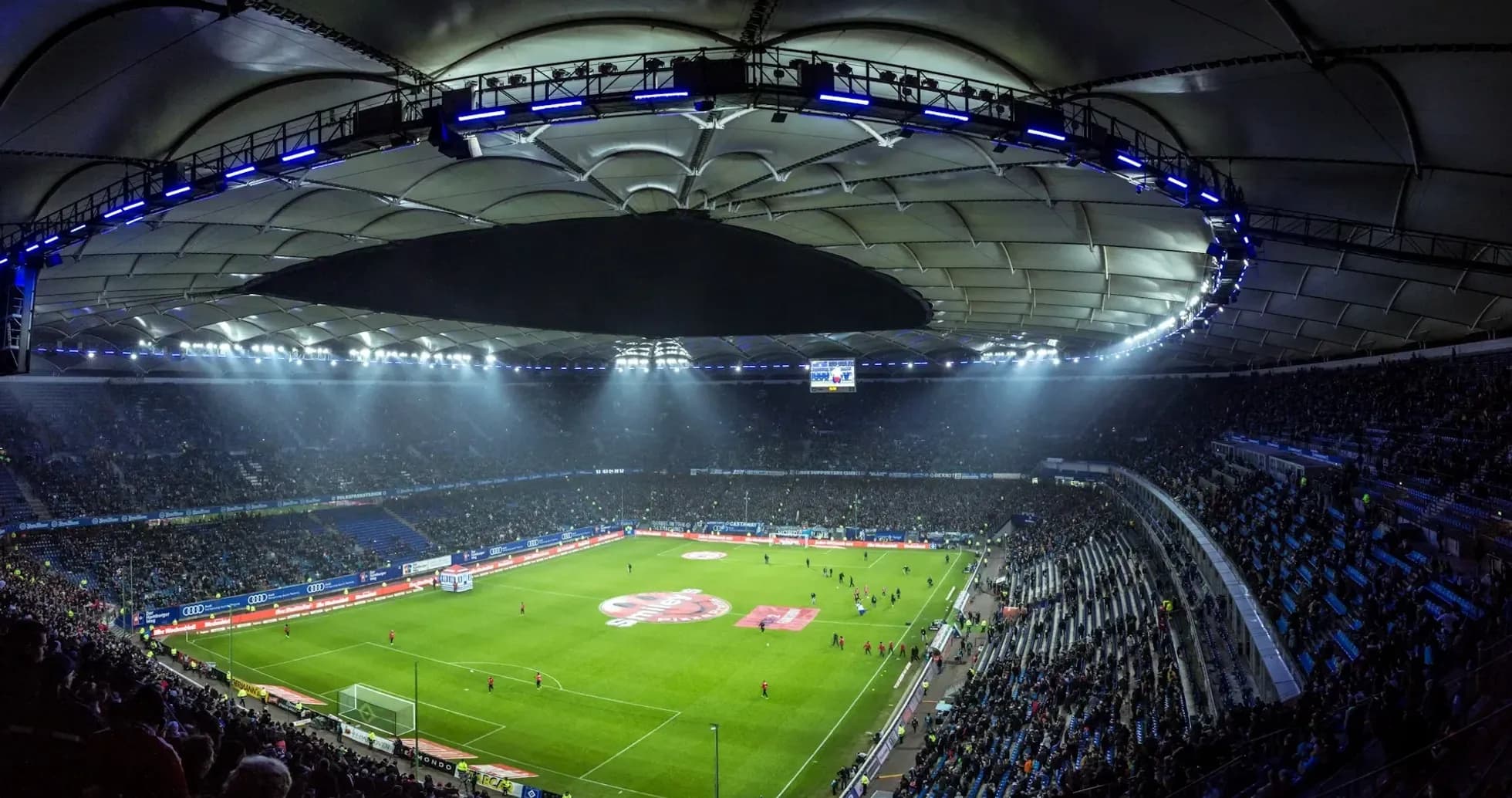
Under the lights at Lynn Family Stadium, Louisville City and Brooklyn played out a 2-2 draw that felt less like a settled verdict and more like the opening chapter of a rivalry in the making. Following this result, the table still says third against eleventh in USL 1, but the ninety minutes told a more nuanced story: a heavyweight with playoff ambitions forced to confront its own defensive frailties, and an underdog still searching for an away identity yet unwilling to fold.
I. The Big Picture – contrasting identities, converging on a draw
Louisville arrived with the profile of a contender. Overall this campaign they have played 14 matches, winning 6, drawing 3 and losing 5. Their goal difference of 2 is the product of 24 goals for and 22 against, a narrow positive margin that already hinted at the knife-edge nature of their games. At home they have been solid but not dominant: 7 matches, 3 wins, 1 draw, 3 defeats, with 11 goals scored and 11 conceded. Lynn Family Stadium is not yet the fortress their rank of 3rd suggests it should be.
Brooklyn, by contrast, came in as a team trying to keep their season afloat. Overall they have played 12 games, with only 2 wins, 3 draws and 7 defeats. Their goal difference of -9 comes from 13 goals scored and 22 conceded, a stark indicator of structural issues. On their travels they have yet to win: 6 away fixtures, 0 victories, 2 draws, 4 losses, scoring 7 and conceding 17. This 2-2 result, then, becomes both a point of resilience and a reminder of how porous they remain.
The match itself mirrored those season-long patterns. Louisville again found ways to score – consistent with their overall average of 1.7 goals per game and 1.6 at home – but again failed to shut the door, conceding twice to a side that averages only 1.2 away goals. Brooklyn, for their part, showed the attacking flashes that make them dangerous, but their defensive record on their travels, with an average of 2.8 goals conceded away, remained an anchor on their ambitions.
II. Tactical voids and discipline – control without a clean edge
With no listed absentees, both coaches had access to their core groups, and the lineups reflected that. For Louisville, D. Faundez in goal anchored a back line built around the experience of S. Totsch and the presence of B. Dayes, with K. Adams and A. McFadden offering width and defensive balance. In front of them, the double pivot of T. Davila and Z. Duncan formed the spine, allowing the creative band of A. Dia, M. Akale and R. Serrano to feed central forward C. Donovan.
Brooklyn’s structure was more utilitarian but no less deliberate. L. Burns in goal sat behind a defensive unit of T. Vancaeyezeele, C. Frogson, V. Latinovich and Gabriel Alves, with M. Pinto shielding. Ahead of them, the intelligence of T. McNamara and the movement of S. Stojanovic, P. Mangione and C. Olney JR supported M. Anderson as the attacking reference point.
Disciplinary trends across the season framed how this match was likely to be contested. Louisville’s yellow card profile shows a clear second-half spike: 26.09% of their yellows arrive between 46-60 minutes and 21.74% between 76-90, a late-game surge that often coincides with them chasing or protecting a result. Brooklyn’s card curve is even more telling: they pick up 19.23% of their yellows from 46-60, another 19.23% from 61-75, and a remarkable 23.08% between 91-105. They also have 2 red cards in that 91-105 window, a sign of emotional volatility in closing stages. Even if no dismissals appeared here, those patterns underline why both teams often finish games frayed rather than composed.
III. Key matchups – hunter vs shield, engine vs enforcer
Without official top scorer data, the “hunter vs shield” duel becomes more conceptual than individual. Louisville’s attack, which overall averages 1.9 goals on their travels and 1.6 at home, is a unit that thrives on variety. Donovan’s central presence pins defenders; Serrano and Dia offer diagonal runs and width; Akale’s subtlety between the lines forces back lines to compress. Against a Brooklyn defence that concedes an average of 2.8 goals away and has already allowed 17 on their travels, the expectation was clear: Louisville would find chances.
Brooklyn’s “shield” is built around structure rather than star power. Vancaeyezeele’s versatility, Latinovich’s aerial presence and Pinto’s screening are designed to protect Burns, but the numbers show the system has been leaking. The 4-1 away defeat that marks their heaviest road loss is emblematic of a back line that can be dragged out of shape when repeatedly asked to defend the box.
In midfield, the “engine room” duel was decisive. Louisville’s pairing of Davila and Duncan had to manage the rhythm, recycling possession and protecting transitions, while still feeding Akale in the pockets. Brooklyn countered with Pinto’s defensive reading and McNamara’s experience. McNamara’s ability to find half-spaces and link with Mangione and Stojanovic offered Brooklyn a way to bypass Louisville’s first press and attack the space in front of Totsch and Dayes.
On the flanks, Dia’s energy and Serrano’s directness asked constant questions of Frogson and Gabriel Alves. For Brooklyn, Olney JR’s movement and Mangione’s drifting inside tried to pin Louisville’s full-backs, preventing them from becoming auxiliary playmakers.
IV. Statistical prognosis – a shared point, but divergent futures
Following this result, the underlying numbers still favour Louisville as the more sustainable side. Overall they score 1.7 and concede 1.6 per match; Brooklyn sit at 1.1 scored and 1.8 conceded. Louisville’s three clean sheets this campaign (1 at home, 2 away) suggest they can occasionally lock games down, even if they have also failed to score in 3 matches. Brooklyn, with only 2 clean sheets and no shutouts away, remain heavily dependent on outscoring opponents rather than controlling them.
If we layer a notional xG lens onto these profiles, Louisville’s consistent scoring and narrow positive goal difference point to an attack that generally creates enough and a defence that concedes chances but not in catastrophic volume. Brooklyn’s -9 goal difference from 12 matches and the 17 goals conceded away imply that, on their travels, opponents are generating high-quality opportunities at a worrying rate.
The 2-2 draw, then, fits the statistical script: Louisville potent but imperfect, Brooklyn spirited but structurally fragile. For Louisville, the path forward is clear – tighten the margins at home, where 11 goals conceded in 7 games is too generous for a side with playoff aspirations. For Brooklyn, the mission is starker: transform away-day chaos into something more controlled, or risk seeing every point on their travels feel like an overachievement rather than a platform for climbing the table.