Liverpool Faces Losing Its Scouse Identity as Last Local Player Departs
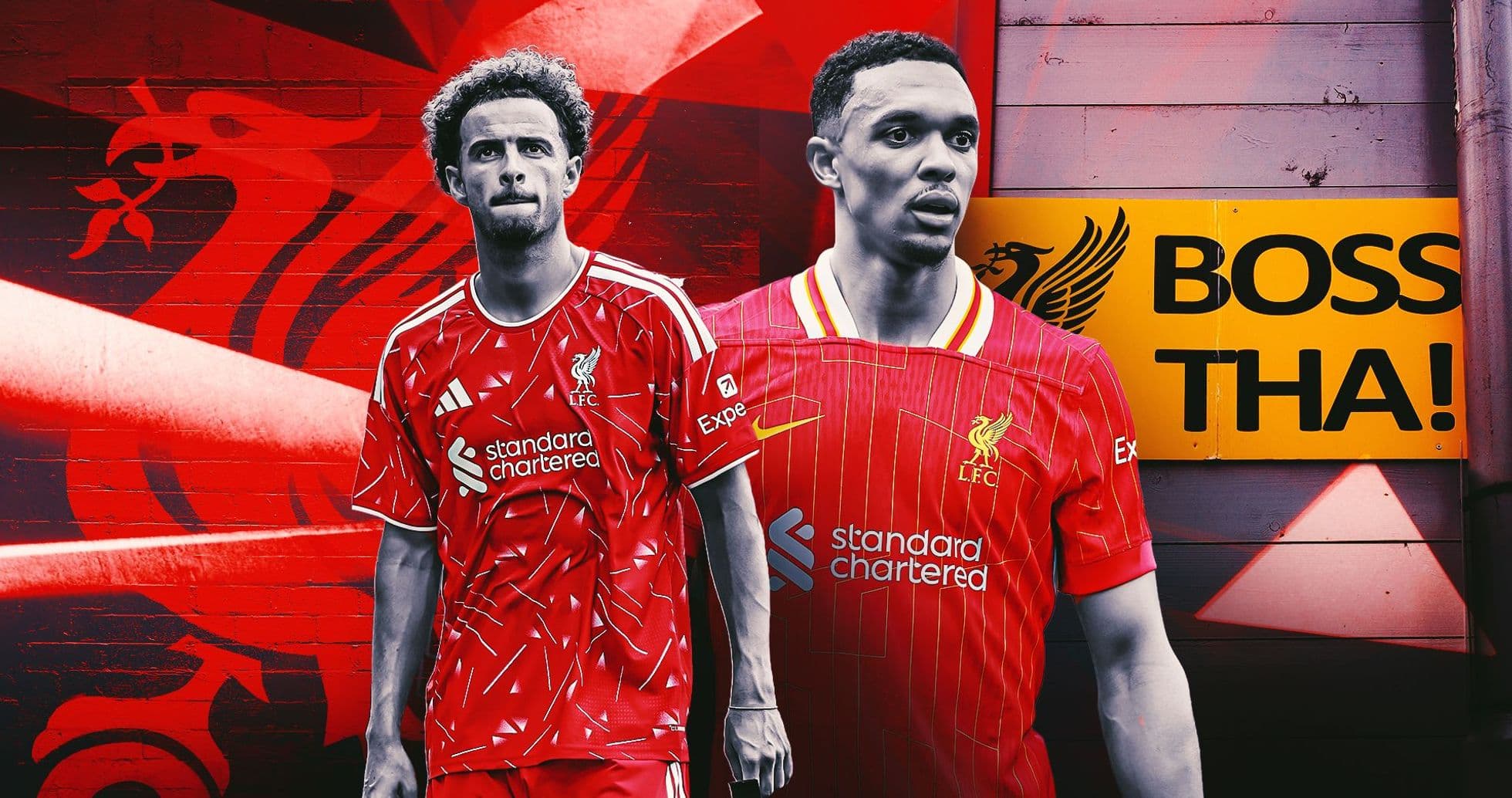
The recent transfer of Curtis Jones to Inter Milan leaves Liverpool without any local-born players in their first-team squad, raising questions about the club’s connection to its roots. This shift marks a significant moment for the Reds, who once proudly showcased homegrown talent under manager Jürgen Klopp.
Klopp’s Dream of a Homegrown Team
Years ago, Klopp expressed a vision of having a team filled with players from Liverpool's own academy. His pride was evident when Liverpool won the 2024 Carabao Cup with many academy graduates playing key roles. The victory over Chelsea on February 25, 2024, highlighted this achievement, with youngsters like Jarell Quansah and Bobby Clark coming off the bench to secure the trophy.
"It's easily the most special trophy I ever won," Klopp said after the match. "Seeing the faces of the kids after the game was overwhelming. In football, you rarely see stories like this where academy players contribute so significantly against top opponents."
That success seemed to signal a bright future for the club's youth, but that future now looks uncertain.
End of an Era: Jones Leaves Anfield
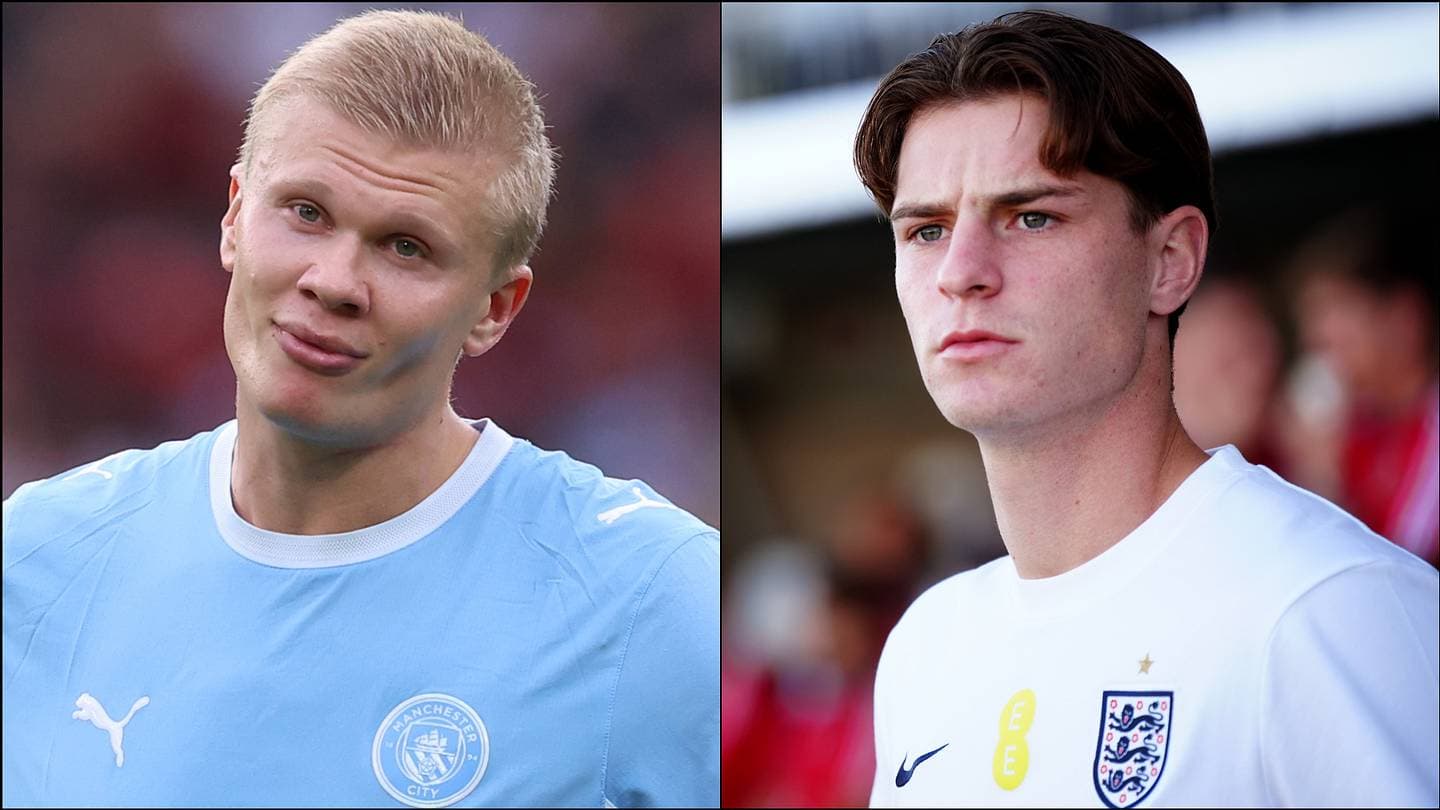
Jones' departure on August 21 was seen as inevitable. The England international was unwilling to renew his contract and sought more playing time in his favored midfield role—something not guaranteed under new coach Andoni Iraola. Despite Iraola’s public desire to keep him, Jones’ exit marked the first time in modern history that Liverpool's senior squad includes no Scouse players.
Iraola, himself a proud Basque accustomed to Athletic Club’s emphasis on local talent, understands how important player connection to the city is. He once said, "It's very important that he's Scouse, that he's from here." Yet, Liverpool’s current situation suggests a disconnect growing between the club and its traditional identity.
Concerns Over Club Identity and Fan Connection
Ownership under Fenway Sports Group has transformed Liverpool financially, but some fans feel priced out by rising ticket costs. Supporters groups like Spirit of Shankly have criticized the move away from affordability and accessibility, fearing the club is losing touch with its working-class fan base.
The recent acquisition of a 38% stake by a consortium led by Amazon founder Jeff Bezos has intensified fears of further alienation. Kieran Maguire, a football finance expert, pointed out that many fans worry about tickets going to wealthier audiences, which could dilute the unique atmosphere at Anfield.
Is Liverpool Becoming More Like Real Madrid?
Former Liverpool stars have voiced concerns about the club's changing recruitment approach. Steven Gerrard emphasized the importance of homegrown talent understanding the city and club culture. Jamie Carragher criticized last summer’s big-money signings, comparing the strategy to Real Madrid's expensive spending sprees rather than Liverpool’s historic value-based recruitment.
- Florian Wirtz
- Alexander Isak
- Hugo Ekitike (potential signing)
- Bradley Barcola
These costly acquisitions make it harder for academy players to break into the squad, challenging the club’s tradition of nurturing local talent.
Current Academy Presence and Future Outlook
Some academy players remain in the squad, such as Rio Ngumoha, signed from Chelsea but a former youth player, and Trey Nyoni, who appeared as a substitute in the Carabao Cup win. Jayden Danns may return soon after injury. Still, with star signings dominating the lineup, local representation is minimal.
On Friday, Liverpool plans to field three players valued over £100 million in a Premier League match against Ipswich Town. Yet, none will be local lads, highlighting how far the club has drifted from Klopp’s vision.
That Carabao Cup win now stands as a rare achievement unlikely to be repeated. The club’s soul, deeply tied to its Scouse roots, seems overshadowed by new priorities—leaving fans to wonder what truly defines Liverpool’s identity.