
Liverpool's Managerial Gamble: Why Not Xabi Alonso?
Liverpool did not just sack a manager at the weekend. They detonated a debate that will run all summer.
Arne Slot, the man who delivered a Premier League title in his first season at Anfield, is out after a fifth-place finish in his second. Two seasons, one championship, and then the axe. The decision itself is ruthless. The timing is what has stunned Merseyside.
Because the moment Liverpool chose to pull the trigger, Xabi Alonso was no longer on the table.
Alonso Mist, Iraola Fog
Alonso walked away from Real Madrid in January and, for a few weeks, the stars seemed to align. A former Liverpool midfielder, adored on the Kop, fresh on the market, and carrying the glow of his work with Bayer Leverkusen. The links were inevitable, and they were strong.
Yet Liverpool stayed with Slot.
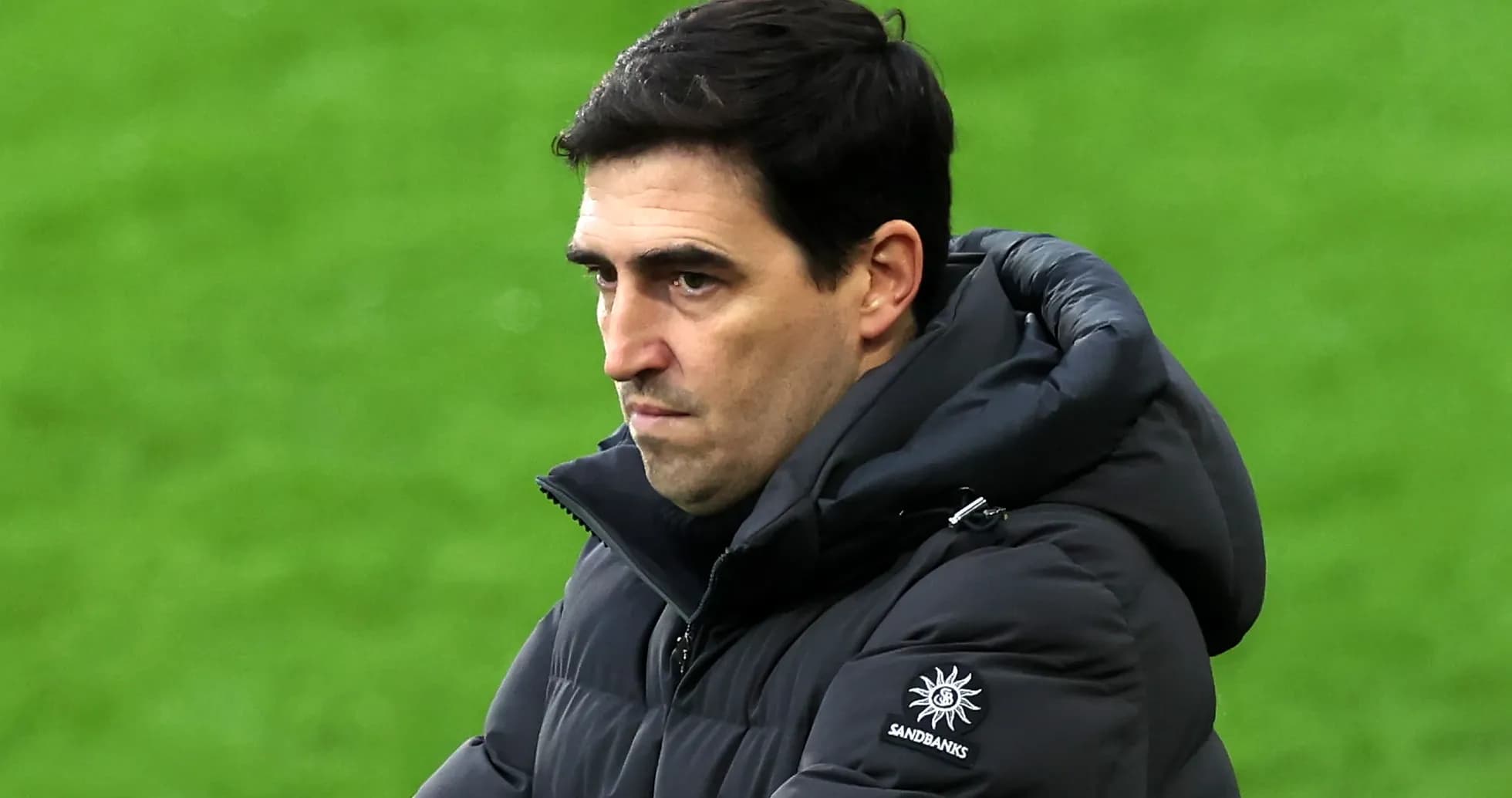
By the time the club hierarchy finally decided to act, Alonso had already agreed to take the Chelsea job. The door that once stood wide open had been quietly closed, locked, and bolted in London blue. Now Andoni Iraola is the man heavily tipped to step in, and the strategy behind this sequence of choices is under fierce scrutiny.
Jamie Carragher, never shy of holding his old club to account, voiced what many supporters have been thinking.
Carragher: “Why Was It Not Alonso?”
Speaking on The Overlap, Carragher made it clear he would have made the change earlier – and only for one man.
"I would have changed him (Slot) for Xabi Alonso. As soon as he went to Chelsea, I was thinking that I would keep Slot," he said, underlining the logic gap at the heart of Liverpool’s decision-making.
His argument was simple: if there was any doubt over Slot’s long-term future, sporting director Richard Hughes had to move decisively when Alonso was free. Not later. Not after the best alternative had walked into Stamford Bridge.
Carragher pointed to Alonso’s work at Leverkusen and his ability to elevate talents such as Florian Wirtz. He highlighted the Spaniard’s extraordinary playing career, the calibre of managers he learned under, and the pressure-cooker environments he has already lived in.
"If you were going to change it, why was it not for Alonso?" Carragher asked. It was not a rhetorical flourish. It was a challenge to the club’s entire planning process.
Alonso’s short spell in charge of Real Madrid did not go well, and Carragher acknowledged that. But the former defender’s point was about exposure to scrutiny, about being conditioned to the harshest spotlight. Anfield, he implied, demands exactly that kind of resilience.
Doubts Over Iraola Fit
Carragher’s concerns did not stop at missed opportunity. They extended to what may come next.
Iraola has built his reputation on a ferocious, high-pressing game. At Bournemouth he demanded intensity, aggression, and relentless running from his players. It worked, often impressively, especially after key departures. His teams chase, harry, and suffocate opponents. There is very little compromise.
That is where the unease creeps in for Liverpool.
"If Liverpool chose Iraola over Alonso, it is very worrying for Liverpool," Carragher warned. He accepted that stylistic preferences – such as Alonso’s use of a back three – could have influenced the decision, but he questioned whether the current Liverpool squad is built to execute Iraola’s demands.
"I am not sure Liverpool has the players to play Iraola's high-pressing game," he added.
This is not a minor tactical quibble. It cuts to the core of squad construction. The group Slot leaves behind has been assembled for different systems and different rhythms. To morph them into an Iraola team may require more than a tweak; it may require a structural overhaul.
A Summer of Upheaval
And that overhaul is coming anyway.
Mohamed Salah has gone. Replacing his goals, his gravity, and his presence on the right flank is a task that would test even the most settled of clubs. For a side changing manager, changing style, and changing backroom staff, it becomes a monumental challenge.
Slot’s departure drags more than just a head coach out of the building. Assistants Sipke Hulshoff, Giovanni van Bronckhorst, and Ruben Peeters are also leaving, stripping away the established hierarchy on the training ground. The new man will not simply inherit a team; he will have to rebuild the entire technical structure around it.
Iraola has experience of navigating squad churn. At Bournemouth he survived and progressed after losing key players, reshaping the team on the fly. That resilience will be essential if he does walk through the Shankly Gates.
But this is not Bournemouth. This is Liverpool, where every misstep is magnified, every selection dissected, every decision measured against the club’s modern history of near-perfection under previous regimes.
The owners have chosen a brutal moment to reset. They have done so just after letting a beloved former player and elite coaching prospect slip away to a direct rival. The question now is not whether Liverpool can find another manager.
It is whether they have just allowed their ideal one to rebuild someone else’s empire.





