Liverpool's Potential Signing of Lamine Camara After Chelsea's Collapse
Liverpool’s summer looked like it had already told its story. Big departures, one blockbuster arrival, and one glaring hole left untouched. Then Deadline Day chaos elsewhere handed Anfield an unexpected second act.
Chelsea thought they had Lamine Camara. A deal with Monaco was agreed, the expectation was that the Senegal midfielder would be the latest expensive piece in their rebuild. Instead, the move collapsed late, and Liverpool quietly stepped into the background of the drama.
According to GIVEMESPORT senior correspondent Ben Jacobs, speaking on talkSPORT, Liverpool’s hierarchy picked up the phone as the Chelsea move crumbled.
“Liverpool Football Club made a call this evening, and more than one, to say to the camp of Lamine Camara to wait, to say to Monaco to wait, because Liverpool don’t want Camara now, they never explored it," Jacobs said.
"Alexis Mac Allister is still at the club, but my understanding is that Liverpool said to Monaco wait, Liverpool said to Camara wait. Liverpool didn’t interfere in the deal relating to Chelsea.
"We are saying all Liverpool did was tell Monaco and Lamine Camara to wait; if you don’t get your move… we will be back potentially in 2027.”
No bid. No hijack. Just a clear message: don’t close the door.
A Quiet Window, a Loud Problem
Liverpool’s window had already raised eyebrows. Mohamed Salah, Andy Robertson and Ibrahima Konate all walked away on free transfers. Curtis Jones left for Inter Milan. Harvey Elliott headed to Valencia. That is a core of the dressing room stripped in one summer.
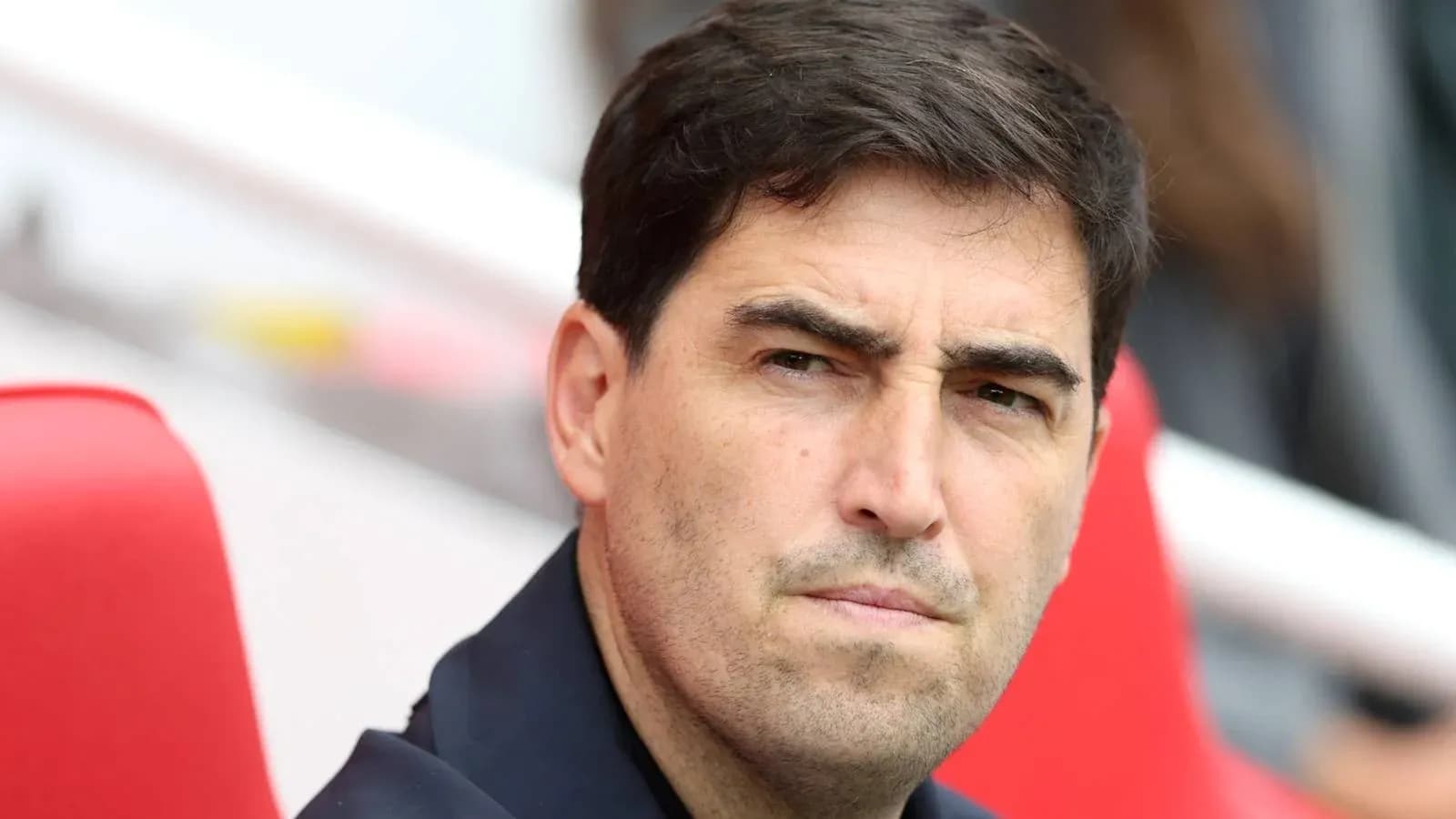
Bradley Barcola arrived from Paris Saint-Germain in a £123m deal, the headline signing of Andoni Iraola’s first major window. Victor Munoz and Ronald Araujo also came in to stiffen the spine. The squad, on paper, looks refreshed.
Yet the same question lingers. Who protects the back four?
Since Fabinho left for Saudi Arabia in 2023, Liverpool have circled around defensive midfielders without landing one. Moises Caicedo, Martin Zubimendi and others have all been heavily linked, but every pursuit fizzled out.
The market closed with Iraola left relying on Ryan Gravenberch, Alexis Mac Allister, Dominik Szoboszlai, Trey Nyoni and Wataru Endo as his senior midfield options. Plenty of quality. Not a natural, elite holding midfielder in sight.
The early signs have reflected that imbalance. Liverpool have been dragged into 2-2 draws with both Newcastle and Nottingham Forest, games where their structure without the ball came under fire. Jamie Carragher has already criticised the setup. Iraola’s high-intensity, front-foot style only exposes the lack of a specialist anchor even more.
Why Camara Changes the Conversation
That is where Camara comes in. His profile fits the problem almost too neatly.
Monaco manager Filipe Luis did not hold back when asked about the Senegal international earlier in the summer.
"We are probably talking about one of the best midfielders in the world," he said.
"I don't want to talk about him too much, because I know a lot of clubs would love to have him in their squad, and he is very important to me. He has that quality on the ball, covers a lot of ground, he is truly top class! I am really happy to have him, and he is going to play a key role in the team."
High praise, and not the sort of language managers usually waste on players they are willing to lose. Camara brings defensive discipline, range, and the ability to patrol huge areas of the pitch. For a coach like Iraola, who wants his side to squeeze high and suffocate opponents, that kind of midfielder can be the difference between chaos and control.
For Liverpool, the potential upside is obvious. Camara would not just plug a gap; he would reshape the balance of the entire side. He could allow Mac Allister and Szoboszlai to play higher. He could shield a defence in transition. He could buy Iraola time and space to fully implement his ideas without being dragged into weekly firefights.
Chelsea’s Fury, Liverpool’s Opening
Chelsea, by contrast, are left furious. They thought they had their man on Deadline Day, only for the deal to fall apart late. Now they face the prospect of seeing Camara in red rather than blue, not just this season but possibly for the long term.
Liverpool, for once, are not rushing in with a panic buy. They have simply planted a flag in the ground for the future. Wait. Don’t commit. If the immediate move doesn’t happen, there is another path.
For Iraola, who has already seen his side’s defensive frailties exposed, that promise of a future solution might be as important as any signing made this summer. A top-level holding midfielder has felt like the missing piece ever since Fabinho left.
If Lamine Camara ends up filling that void, this failed Chelsea deal won’t just be a Deadline Day story. It could be the moment Liverpool’s next midfield era quietly began.