Leeds United's Premier League Resurgence: A Tactical Evolution
Leeds United are back near the top of the Premier League table and, for anyone who remembers the turn of the century, the sight feels strangely familiar.
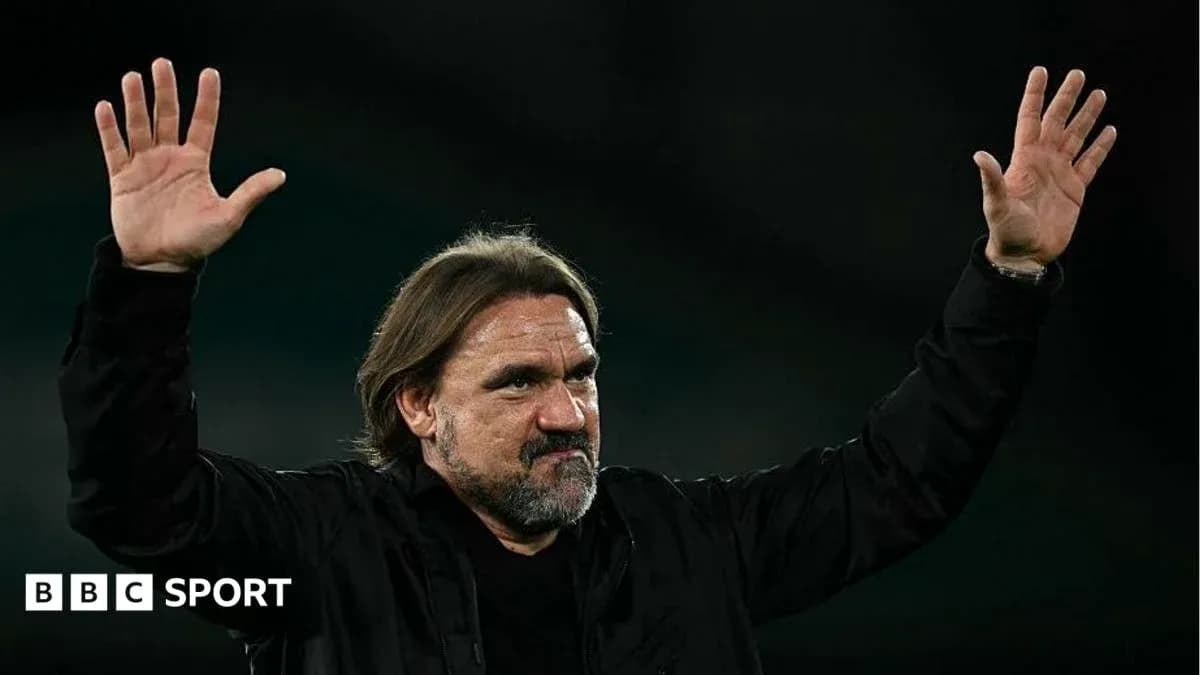
Third place. Unbeaten. A 4-1 dismantling of Newcastle United at Elland Road on Monday night. Daniel Farke’s side have made their best start to a top-flight campaign since the David O’Leary days of 2001-02, banking eight points from four games and playing with the conviction of a club that has quietly been building towards this for months.
This is not a sudden surge. It is the product of a decision Farke made almost nine months ago, when Leeds were staring at trouble.
The night everything tilted
On 29 November at Etihad Stadium, Leeds trailed Manchester City 2-0 at half-time. Farke ripped up his back four, shifted to a back three and watched his team fight back to 2-2, only to lose to a stoppage-time goal.
The result stung. The performance changed the season.
From the next match – a home win over Chelsea on 3 December – Leeds have lost only five of their past 29 league games. Over that span, their points return would put them fifth in a notional Premier League table.
The tactical tweak tightened the defence, but it did more than that. It reshaped the entire identity of the team.
Building a taller, tougher Leeds
Farke and new sporting director Adam Underwood went into the 2025 summer transfer window with a clear idea of what this Leeds side needed to survive and then compete: size, strength and presence.
They targeted height as a weapon.
Of the 10 permanent signings, eight stand over 6ft – Jaka Bijol, Sebastiaan Bornauw, Dominic Calvert-Lewin, James Justin, Lukas Nmecha, Noah Okafor, Lucas Perri and Anton Stach. It was deliberate, not cosmetic.
“I wouldn't say it's coincidence that they are all tall players,” Farke said in July 2025, “but, of course, if you join the Premier League and you have one of the smallest groups, you expect that probably there is more pressure on you than there was in the Championship. You have to make sure that you're also good in defending crosses.”
They had been bullied too often. Now they could fight back.
Losing centre-back Pascal Struijk to Brighton this summer might have reopened old wounds. Instead, Leeds doubled down on their plan, bringing in Bosnia-Herzegovina defender Tarik Muharemovic and Switzerland international Nico Elvedi, both World Cup players, to reinforce the back line.
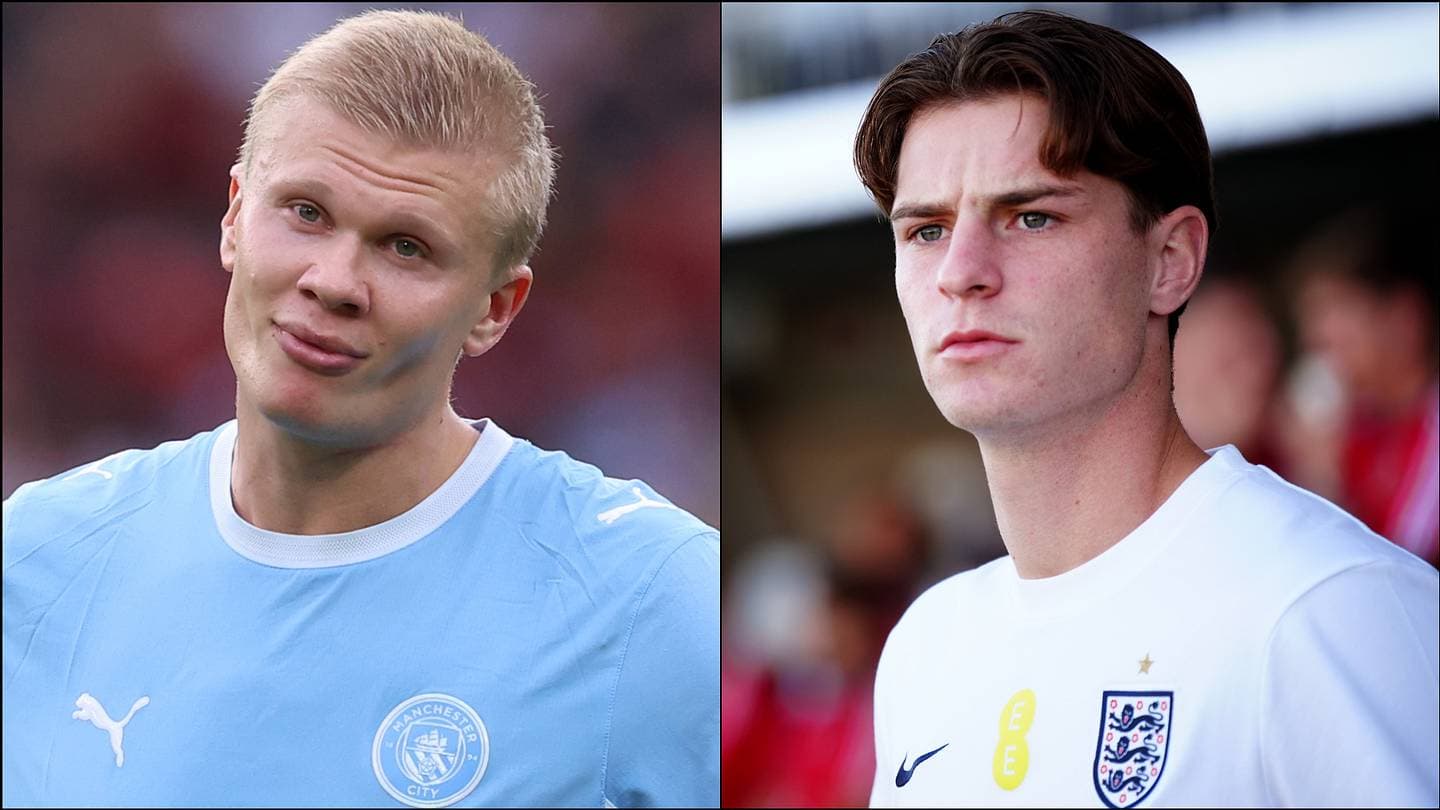
Muharemovic has barely missed a beat. Despite the late error that gifted Bazoumana Toure a consolation for Newcastle, he has played every league minute, patrolling in front of 6ft 5in England goalkeeper James Trafford – who became the most expensive British goalkeeper in history for the second time when he joined from Manchester City for an initial £40m.
Add Harry Wilson, snapped up on a free from Fulham after standing out last season, and the recruitment looks sharp, targeted and joined-up.
From relegation fears to European whispers
It is easy to forget how precarious things looked not so long ago.
Leeds lost eight of their first 13 league games in 2025-26. They sat 18th. Relegation was not a distant threat; it was the live conversation around the club.
Reports swirled that Farke, fresh from edging Burnley to the Championship title, was close to the sack. The new shape needed time. The squad needed reshaping. Patience was in short supply.
The numbers since that tactical shift tell their own story. Among the clubs that have been ever-present in the division over that period, only Arsenal, Manchester City and Nottingham Forest have conceded fewer goals. Leeds, once porous, suddenly looked organised, aggressive and hard to break down.
The defensive solidity has underpinned everything. But the real spark has come at the other end of the pitch.
Calvert-Lewin, finally unleashed
No one has benefited more from Farke’s structural gamble than Dominic Calvert-Lewin.
The former Everton striker spent too long isolated as a lone forward in a 4-3-3, feeding on hopeful crosses and sporadic support from wide areas. Since the move to a back three and the introduction of a genuine strike partner, he looks like a different player.
Since December, only Erling Haaland, Ollie Watkins and Joao Pedro have scored more Premier League goals than Calvert-Lewin’s 14. That is elite company, and it has not happened by accident.
Farke has alternated between 3-4-3 and 3-5-2, but the constant has been bodies around his centre-forward – usually Nmecha or Okafor. Okafor, in particular, has caught fire, with seven goals and an assist in his past 11 league appearances.
Calvert-Lewin summed it up simply: “I enjoy having bodies around me.”
He looks like a man playing with a weight lifted, attacking crosses with the confidence that second balls will be contested, knockdowns chased, space created. Leeds are no longer asking him to do everything on his own.
Records in sight, England watching
Now comes another marker of how far Leeds and Calvert-Lewin have travelled.
Crystal Palace visit Elland Road on Saturday. If Calvert-Lewin scores, he will become the first Leeds player to find the net in six consecutive home league games since Arthur Hydes in 1932. Nearly a century of history sits in front of him.
He missed out on England’s World Cup squad, a brutal blow for a striker who has battled injuries and form over recent years. But with three goals in all competitions already this season and his club riding high, the conversation around his international future has shifted again.
Thomas Tuchel names his England squad on Friday for a Nations League quadruple-header. Calvert-Lewin has done what every manager asks of an overlooked player: respond on the pitch.
Leeds, once staring down the barrel of another relegation fight, now sit in the Champions League places and are being talked about, seriously, as candidates for a European push for the first time in 24 years.
The formation is fixed. The spine is tall and tough. The centre-forward is scoring.
The question now is not whether this resurgence is real, but how far it can carry them.