La Liga Returns as Spain Celebrates World Cup Victory
La Liga returns early as Spain rides World Cup high into new season
MADRID (AP) — Barely weeks after Spain lifted the World Cup, La Liga is back. First among Europe’s major leagues, too. The restart comes quickly, but the mood is oddly subdued.
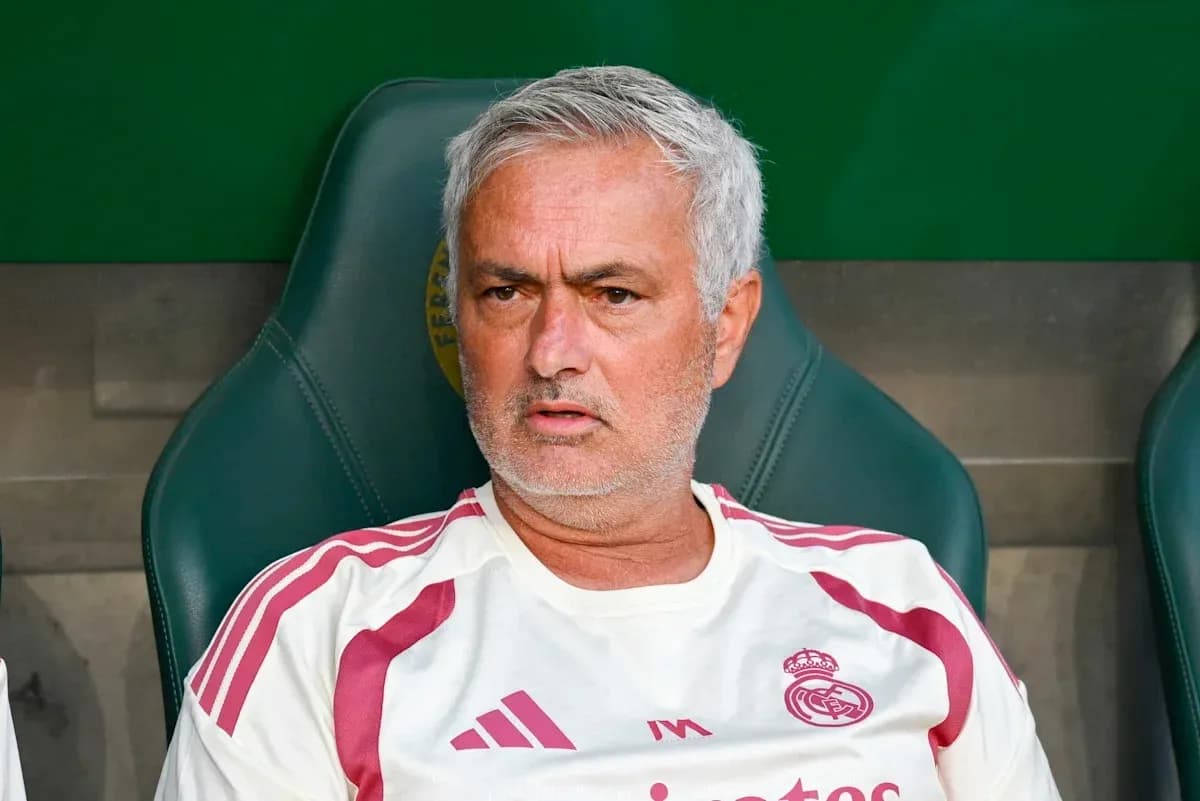
One fixture is already off the board and the two giants — defending champion Barcelona and a rebuilt Real Madrid under José Mourinho — won’t kick a ball in the league until the following weekend. Both clubs saw key players report late after their World Cup exertions, and the calendar has bent around them.
A more unexpected disruption hit in Vigo. A fungus outbreak on the pitch has forced Celta Vigo’s home opener against Osasuna, originally set for Sunday, to be pushed back to August 27.
A staggered opening weekend
The new campaign starts in low gear on Saturday, when Alaves hosts Getafe to crack the seal on the season. Later that day, Sevilla takes on Rayo Vallecano, a fixture that should give an early read on whether Sevilla can shake off last year’s inconsistency.
Sunday brings a story with real weight. Racing Santander, back in the top flight after 14 long years away, hosts Villarreal. The visitors finished third last season behind Barcelona and Real Madrid, but all eyes in El Sardinero will be on the home side’s first steps back among the elite. Espanyol also welcomes Levante as the schedule trickles into life.
The big hitters wait in the wings. Barcelona, chasing a third straight league crown, opens its title defense away to Elche on August 23. Real Madrid, under Mourinho again and desperate to avoid a third straight season without a major trophy, begins at Espanyol on August 22.
Atletico Madrid, the serial top-four regular trying to hold its place in the hierarchy, kicks off a little earlier. Diego Simeone’s side hosts promoted Malaga on Wednesday, with the club wrestling with the future of forward Julián Álvarez, who has made it clear he wants to leave.
The European season itself is already officially underway. Paris Saint-Germain beat Aston Villa 2-1 in the UEFA Super Cup final on Wednesday, a reminder that the continent’s calendar never truly stops.
Barcelona’s World Cup core and a looming departure
Barcelona enters the season with a spine that just conquered the world. Lamine Yamal, Dani Olmo, Gavi, Pedri and Pau Cubarsí all helped Spain claim a second World Cup title, and now they pivot straight back into domestic duty with the same expectation: win.
One hero of that World Cup run is unlikely to be part of this league push. Ferran Torres, who scored Spain’s extra-time winner in the final against Argentina, is reportedly in talks over a move to PSG. His departure would strip Hansi Flick of a proven big-game finisher, but the club has already moved to reload.
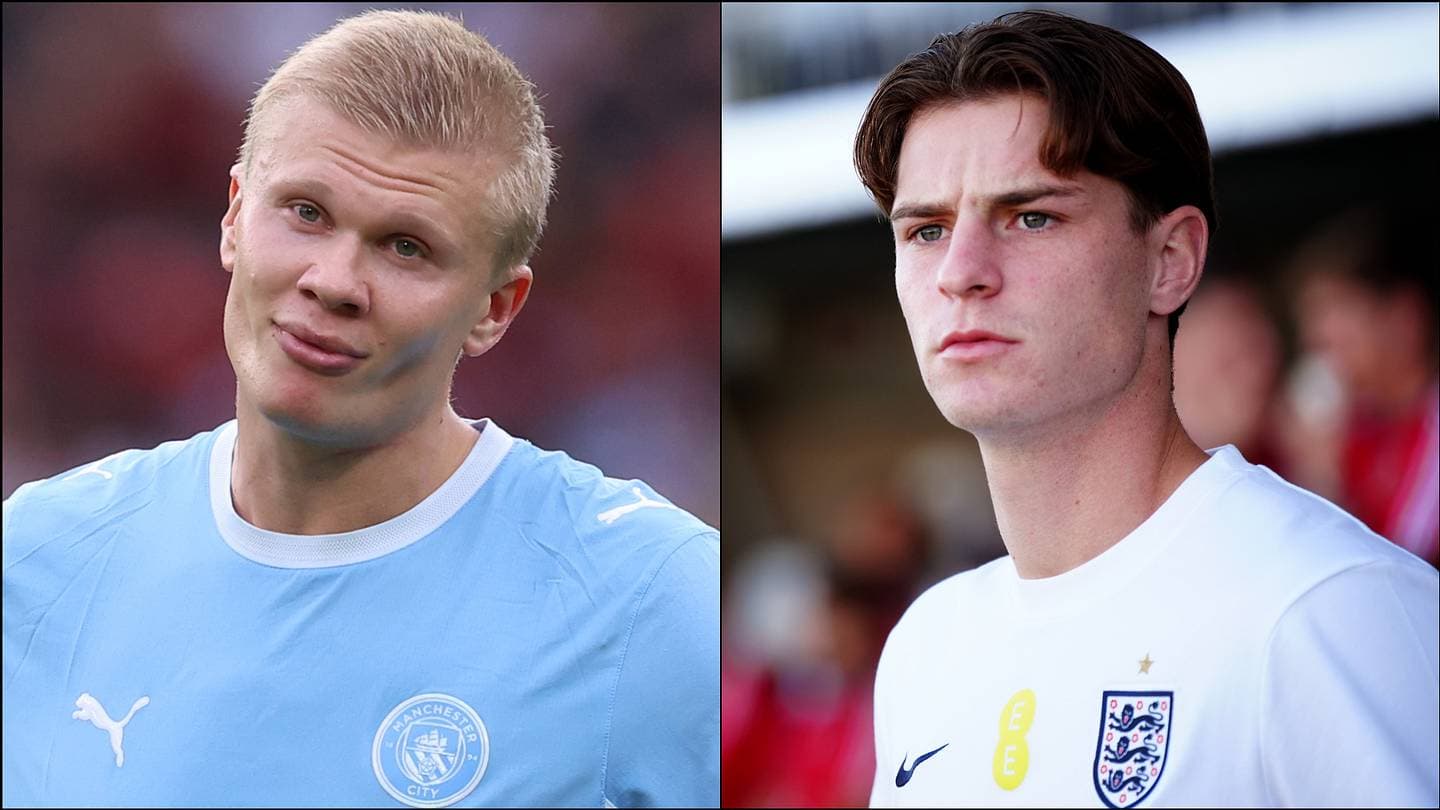
England forward Anthony Gordon has arrived to help absorb the loss of veteran striker Robert Lewandowski, whose goals and presence defined Barcelona’s attack in recent years. Flick will lean on Gordon’s direct running and versatility to keep the champions sharp in transition while the World Cup contingent regains rhythm.
Mourinho’s Madrid, rebuilt and under pressure
Real Madrid has turned back to a familiar face to change its recent story. Mourinho is back on the Bernabéu touchline, this time handed a squad that has been aggressively reshaped.
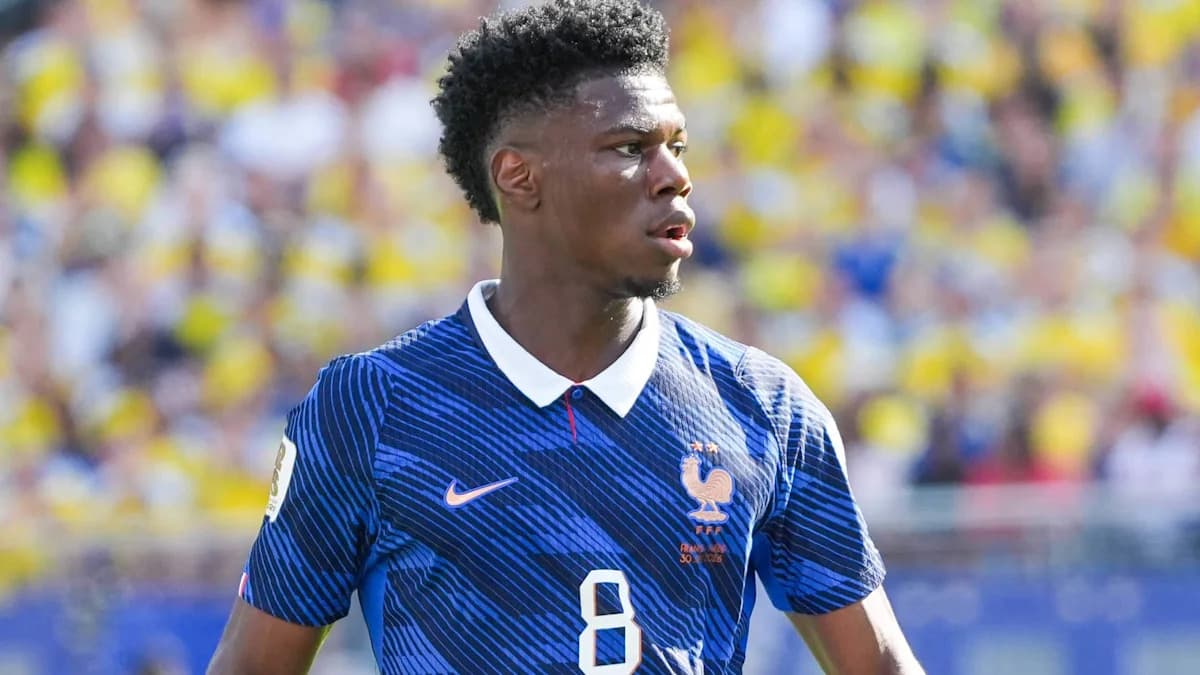
The headline stars remain. Kylian Mbappé, Vinícius Júnior and Jude Bellingham still form the core of Madrid’s attacking power. Around them, the club has added a wave of fresh talent: World Cup winner Marc Cucurella, defender Ibrahima Konaté, full back Denzel Dumfries, playmaker Bernardo Silva and midfielder Yan Diomande.
Several long-serving figures have gone the other way. Dani Carvajal and David Alaba are among the veterans who have left, signaling a clear break with the group that could not deliver a major title in the last two campaigns.
For Madrid, the margin for error is gone. Another trophyless season under Mourinho would not be treated as a transition. It would be a failure.
Atletico in flux and Álvarez in limbo
Across town, Atletico Madrid is juggling change of its own. Three of Simeone’s players — Marcos Llorente, Marc Pubill and Álex Baena — were part of Spain’s World Cup squad, a nod to the club’s continued ability to supply the national team.
Julián Álvarez had an even bigger stage. The forward played in the final with Argentina, and during the tournament he requested a transfer. Real Madrid and Barcelona have both shown interest, turning his situation into one of the league’s most intriguing subplots.
Atletico has drawn a hard line publicly. The club insists it does not intend to sell Álvarez, and he has returned to training. Still, doubts linger. Every appearance, every omission, will be read as a clue to what comes next.
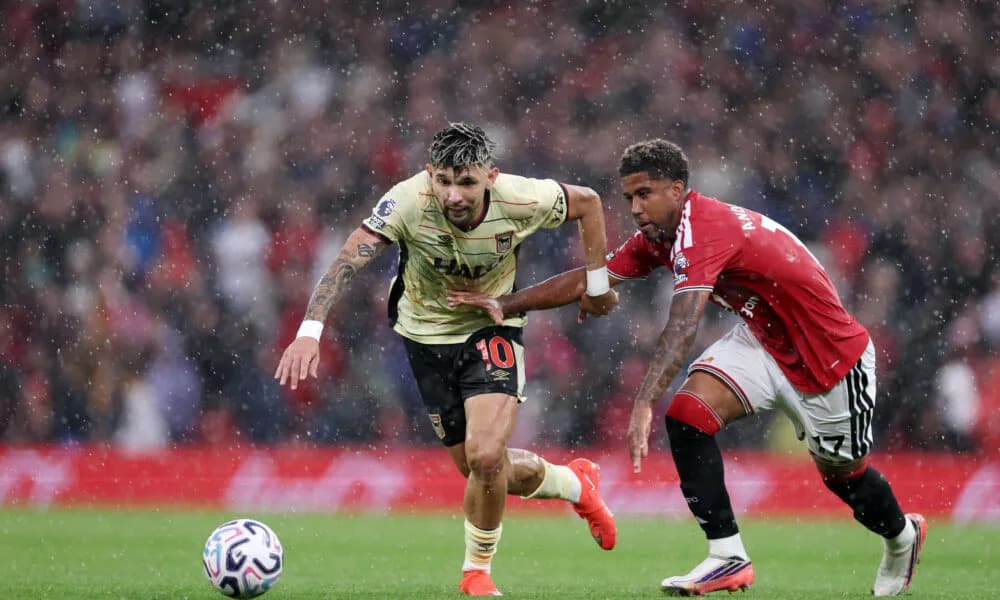
Simeone has already absorbed significant losses. Antoine Griezmann, Thiago Almada, Nahuel Molina and Clément Lenglet have all departed, stripping away experience and familiarity. The response has been a targeted rebuild: Alejandro Grimaldo, Morten Hjulmand and Lee Kang-In have come in, with Cristian “Cuti” Romero also set to arrive to stiffen the back line.
Atletico has lived on competitive edge and continuity for a decade under Simeone. This season will test how far that identity can stretch.
A league wired differently
La Liga will not only look different on the pitch. It will think differently too.
The competition is set to become the first league in the world to roll out “connected ball” technology on a large scale. Each match ball carries a radio-frequency sensor that constantly feeds back real-time data on its position and the exact instant of every touch.
That information is picked up by around 12 antennas in each stadium and plugged into the league’s broader technological ecosystem. The aim is precision — for officiating, for analysis, for broadcasters — and it will turn every pass, shot and deflection into a data point.
Old names return, new stories begin
Three clubs climb into La Liga from the second division: Racing Santander, Malaga and Deportivo La Coruña. For Deportivo, once a champion of Spain and a familiar face in European competition, the return ends eight seasons in the wilderness.
Dropping out are Mallorca, Girona and Oviedo, all relegated after failing to keep pace last season.
So La Liga starts again, a little earlier than the rest, with its champions packed with world champions, its most decorated club back under Mourinho, and its third power trying to hang on while rivals circle its star striker.
The World Cup glow has barely faded. The question now is which of Spain’s heavyweights turns that afterglow into a season of dominance — and which one gets left behind.