K League Players Demand Shift to Fall-Spring Season Amid Extreme Heat
South Korea’s leading players have thrown down a challenge to their own league: stop playing through the worst of the summer or risk the health of those on the pitch – and the future of the competition itself.
The Korea Pro Footballers Association (KPFA) has demanded the K League abandon its traditional Spring-Fall calendar and switch to a Fall-Spring season, as the country swelters through record-breaking heat.
“The K League must transition to the Fall-Spring schedule to protect players from the worsening climate crisis and punishing summer heat,” the KPFA said in a statement this week, adding that the change is also vital “to maintain the league’s leadership within Asia and its global competitiveness.”
This is not a theoretical debate. It’s coming straight from the thermometer.
Earlier this month, the southeastern city of Yangsan hit 42.5 degrees Celsius (108.5 Fahrenheit), the highest temperature recorded there in decades of official data. Authorities urged residents to stay indoors. The national baseball league shut down for a full week, unable to justify sending athletes out into that furnace.
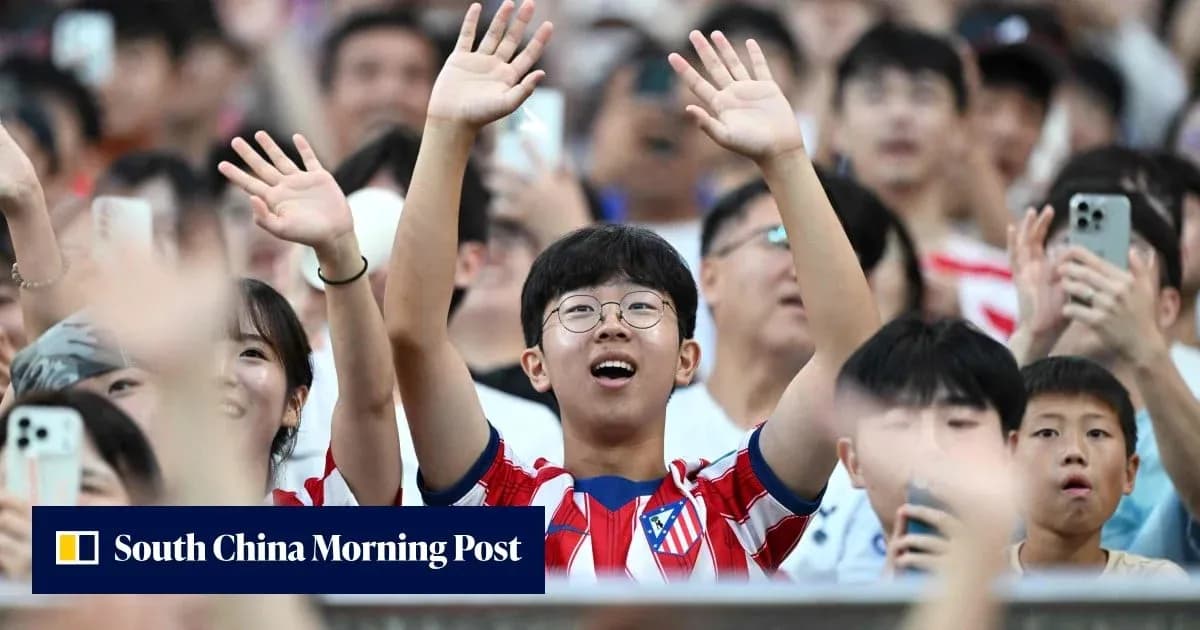
Football has felt it too. The oppressive conditions were blamed for dampening the crowd numbers at Manchester City’s recent friendly against a K League All Star side, a rare occasion when the lure of a Premier League giant could not completely overcome the weather. City’s later pre-season win over Atletico Madrid did pull in a full house on Sunday, but the warning signs were already there: even marquee events are now at the mercy of the climate.
In Seoul, the heat refused to let go. The capital endured 17 straight tropical nights – evenings when the temperature never dropped below 25 degrees Celsius – before the streak finally ended on Monday. Recovery, sleep quality, basic rest for players and fans alike: all of it eroded, night after night.
Against that backdrop, the domestic calendar looks increasingly out of step with reality. The 2026 K League season kicked off on February 28 and is set to run until December 6, locking clubs into the height of the Korean summer at a time when the phrase “worsening climate crisis” is no longer rhetoric but lived experience.
The KPFA’s stance piles pressure on league officials. This is not just about water breaks and cooling vests anymore. It is about whether one of Asia’s most established competitions is prepared to tear up its own traditions to match a changing planet – or keep asking its players to run harder as the pitch gets hotter.