Iraola's Journey: From Bournemouth to Liverpool's Head Coach
Twelve months ago Liverpool flew out of the blocks, five wins from five, swatting aside a Bournemouth team coached by Andoni Iraola on opening night and looking every inch like champions under Arne Slot.
No one in the ground that evening would have guessed how the story would twist. Slot gone. Iraola in. The man in the opposite dugout that night now walking out at Anfield as Liverpool head coach.
Football turns quickly. Sometimes brutally.
From seaside rival to Anfield boss
Liverpool are six points worse off than at this stage last season, yet still unbeaten in the league. That contradiction sums up the Iraola era so far: steady, structured, not spectacular. Not yet.
This weekend brings a strange kind of homecoming. Iraola returns to Bournemouth, where he spent three intense years reshaping a club, but now he walks into the smaller away dressing room. Even that has changed. The Cherries have had to renovate it to meet Europa League standards, so at least the surroundings will be a touch more comfortable than he remembers.
Off the pitch, his life has shifted from the south coast to the quieter sands of Formby, the same area Jurgen Klopp and Brendan Rodgers once called home. He’s been seen in the city centre, out on his bike along the coast, but the place where he truly settles is the training ground.
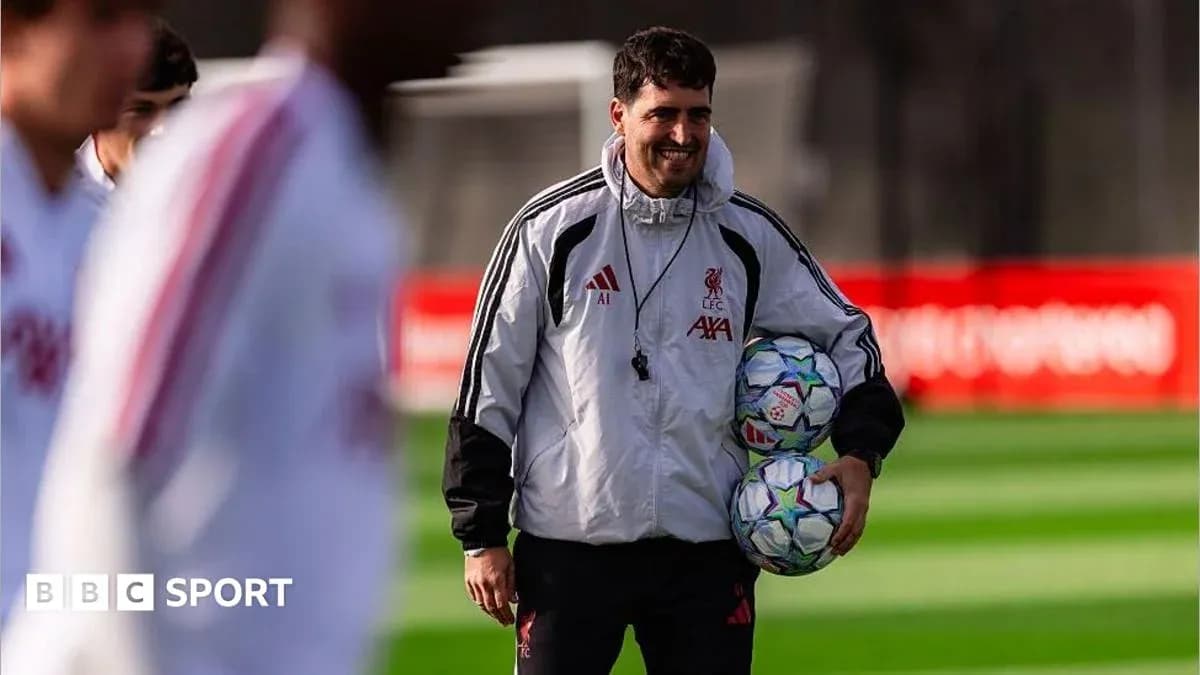
He is, as staff at Liverpool put it, a “six days a week” coach. First on the grass. Cones out. Lines marked. Sessions built from the ground up.
“It’s really intense. There’s a lot of hard work and no sort of light days. Everyone’s putting in 100%,” said forward Lewis Koumas. That one line sums up the daily reality under Iraola.
A quieter presence, same relentless demands
Inside the AXA Training Centre in Kirkby, Iraola cuts a different figure to some of his predecessors. He rarely shuts himself away in his office, preferring the coaches’ room alongside Tommy Elphick, Shaun Cooper and Pablo de la Torre. His presence is low-key, but his standards are anything but.
De la Torre, who followed him from Rayo Vallecano to Bournemouth and now to Liverpool, is central to the project. His job is to help drive players to the physical levels Iraola’s game model demands. And those demands are high.
The changes behind the scenes are not as sweeping as some might imagine. The head coach role at Liverpool is tightly structured, and Iraola has had to learn quickly how to work within the framework of a club that expects to play deep into every competition.
He is listening. To medical staff. To fitness experts. To analysts. Liverpool will play at least 49 games this season, possibly pushing into the 60s if the cup runs stretch. That reality shapes everything.
Training times now move with the fixture list. Late afternoon and evening sessions are more common, tailored to kick-off times. Under Slot, the rhythm was more fixed, a similar slot each day. Iraola has bent the schedule to the calendar.
He has also opened clear lines with the academy and Under-21s coach Rob Page.
“We have an understanding of how the first team play and key principles, like how we press, how he [Iraola] wants his number 10 to press, how he wants his number eight to press, how he wants his centre-backs to press – we mirror that absolutely,” Page explained.
The idea is simple: when youngsters step up, they already speak the same football language.
System over signings
Earlier this week, Dominik Szoboszlai laid out the structure: a number six, a number eight, a number 10. That spine has become a talking point because of the summer’s transfer noise. Many supporters wanted a pure defensive midfielder. Iraola has doubled down on the system instead.
His belief is that the structure can work if the collective level rises. Pressing patterns, distances, timing – it all has to be right. If it is, the need for a specialist destroyer lessens.
Inside the camp, routine is tight. Iraola prefers to name his team on the morning of a game. Post-match debriefs wait until the following day, once the emotion has drained and the footage is cut.
He has already felt the glare that comes with the Liverpool job. After a pre-season friendly against Monaco, comments he made to LFC TV about the team “running out of steam” after 30 minutes were widely circulated. His point was straightforward: the players did not yet have the energy levels to play at his desired intensity. It was about conditioning, not criticism.
The reaction was a reminder. At a club of this size, every word can be clipped, shared, spun. Iraola has adjusted. In press conferences he looks calm, measured, open to questions, but he chooses his language carefully now.
This is not just Liverpool adapting to Iraola. It is Iraola adapting to Liverpool.
Youth, legs and the non-negotiable buzzword
One of the key reasons Liverpool turned to him was his record with young players. The numbers already back that up. The average age of their Premier League side this season is 25.3; only five teams in the division are younger.
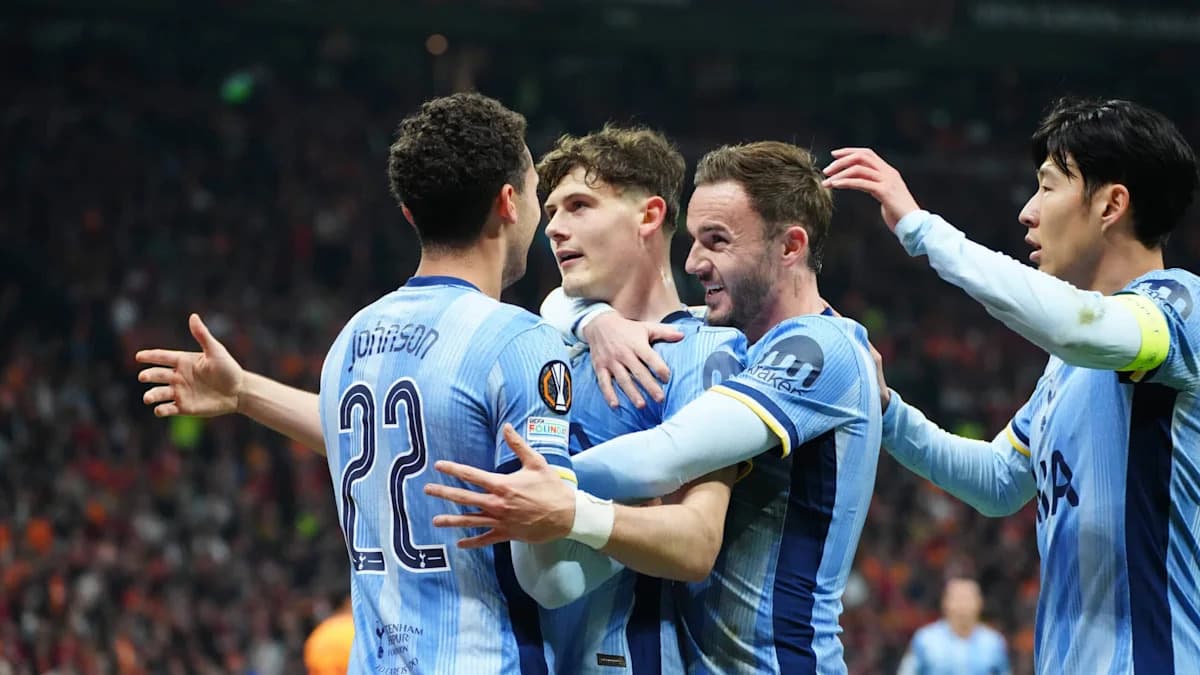
Against Tottenham in the Carabao Cup, Rio Ngumoha (18), Trey Nyoni (19) and Koumas (20) all started. None of them are being treated as token appearances. All three are expected to play bigger roles than they did last year.
“Intensity” has become the word of the Iraola era. It is not a slogan. It is a demand. Yet even he knows that with this schedule, Liverpool cannot run at full tilt in every minute of every match. There will be nights when they need a set-piece routine to click or a single flash of genius to steal a result.
The numbers show the effort. Going into this weekend, Liverpool had made the most sprints in the Premier League. The legs are working. But they looked heavy in the goalless draw with Fulham, less than 72 hours after beating Atletico Madrid in the Champions League.
Sunday’s trip to Bournemouth will be their fourth game in 12 days. After the international break, there is a run of four in 10. Between 11 October and 7 November, they play nine times. The calendar is merciless.
Back to Bournemouth, with everything on the line
Somewhere in all that, there is room for a little reflection. Iraola will have watched Bournemouth’s Europa League win at Real Sociedad with a private sense of satisfaction. A club he helped shape, winning in the Basque region where he grew up. That one will have meant something.
Maybe on the flight down on Saturday he will allow himself a moment to take stock. From Rayo to the south coast to Anfield. From the home dressing room at Bournemouth to the away one.
Liverpool’s start under him has not been dreamy, but it has been solid. They have not lost in the league. After 12 defeats last season, simply becoming hard to beat is progress of a kind.
Inside the dressing room, though, the standards remain sky-high. Vice-captain Alisson said it plainly last week: draws are not good enough for Liverpool.
Iraola knows that. He is unbeaten in the Premier League since January across Bournemouth and Liverpool. Protecting that record on familiar turf on Sunday would be more than a neat narrative twist.
It would send his new club into the international break with exactly what this project still needs: a statement win that turns steady foundations into real momentum.