Ipswich's Premier League Survival Strategy: The Road Ahead
Ipswich know exactly what this season is about. Survival. Nothing more glamorous than “project stay in the league”, as former midfielder Cole Skuse puts it, but everything about their summer screams that same blunt message.
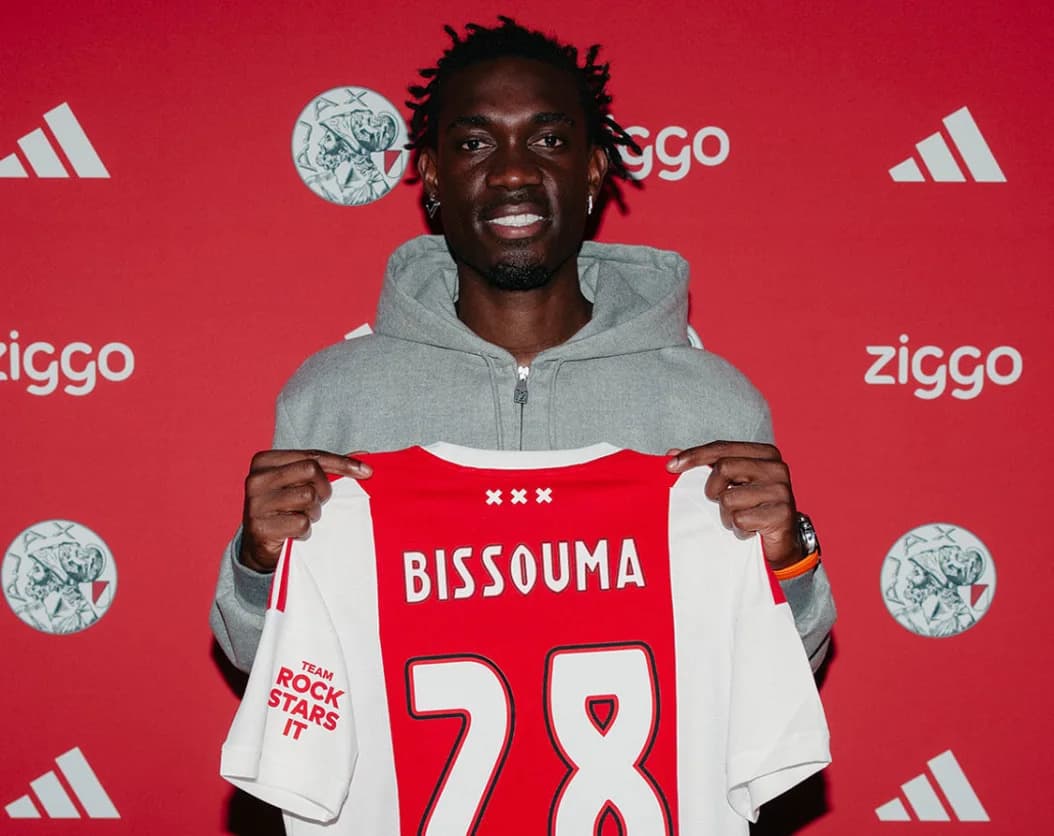
Twelve new signings. Around £150m spent. A squad rebuilt at Premier League pace because Gary O’Neil and the Ipswich hierarchy understand what happens if you hesitate at this level: you go straight back down.
From McKenna’s rise to O’Neil’s reality
Kieran McKenna masterminded the surge out of the Championship, stitching together a vibrant, front-foot side that ended a 22-year exile from the top flight. That story had a romantic edge to it, a club reconnecting with its past and daring to dream.
The return to the Premier League was far less forgiving. The adventure ended quickly with a drop back to the second tier, a reminder that sentiment doesn’t win enough points between August and May.
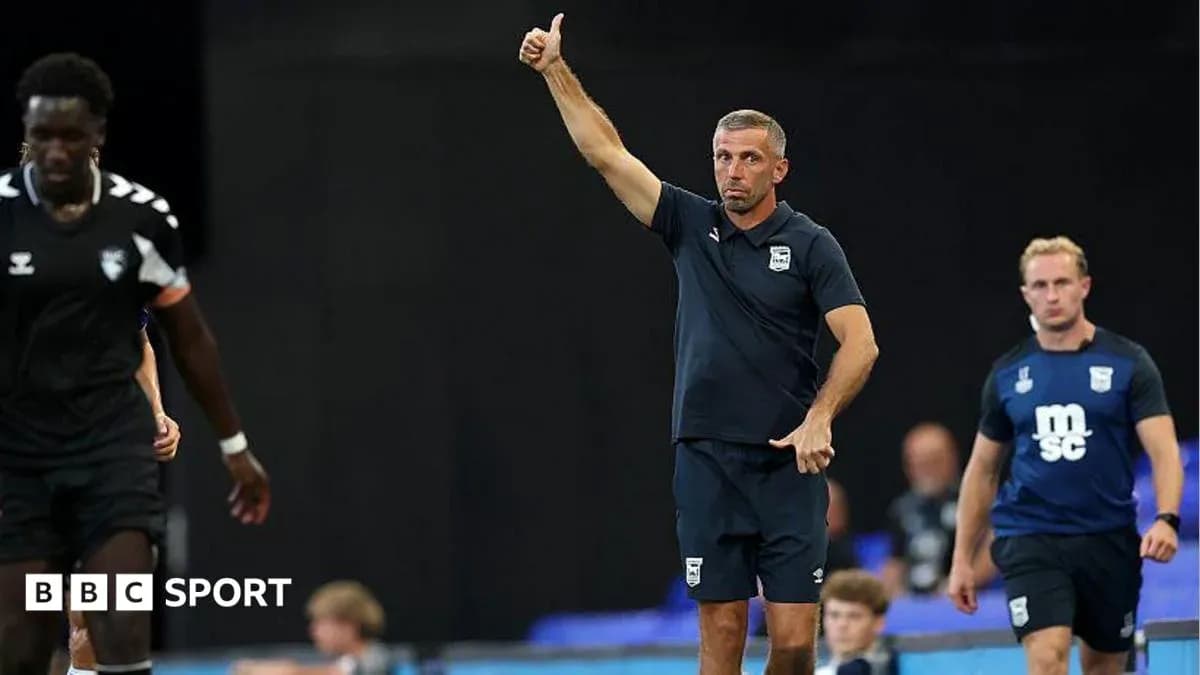
Now it’s O’Neil’s turn to take the same badge into the same unforgiving division, armed with something different: top-flight know-how from his spells at Wolves and Bournemouth, and a board willing to back him aggressively.
Skuse is in no doubt that O’Neil had to move fast and hard.
“He had to be active,” Skuse told BBC Radio Suffolk, underlining the urgency of the summer. Investment wasn’t a luxury. It was the entry fee just to give Ipswich a fighting chance of staying up.
Durability over dazzle
The theme of the window has been clear: players who last. Not just names with Premier League on their CV, but footballers who can grind through 38 games without breaking down.
“You have to bring in Premier League experience – Premier League durability, which I think the signings they have made have been that,” Skuse said.
Issa Diop is the perfect example of the type. The defender’s arrival didn’t set every supporter’s pulse racing, but Skuse believes that’s missing the point.
“Issa Diop, some people may be underwhelmed, but look at his experience in the Premier League. The amount of games he has played with no injuries, and he has had no relegations.”
That last detail matters. O’Neil isn’t just signing players who know the league; he’s signing players who know how to survive in it.
Continuity, intensity, resilience
O’Neil’s rebuild isn’t about a flashy new identity. It’s about making Ipswich harder to beat and harder to derail.
“They have brought in players who are durable and who can play games, and they can keep continuity in the group,” Skuse said. “I think the signings have been really good.”
Continuity is the quiet currency of a relegation fight. When others lose key men to muscle strains in February and March, the teams that stay up are often the ones who keep roughly the same XI on the pitch, week after week.
Skuse has seen enough in pre-season to sense the blueprint.
“Having watched a couple of games in pre-season, what they're trying to achieve is that intensity and that stability and also the resilience to be hard to break down.”
Intensity without chaos. Stability without sitting too deep. Resilience as a non-negotiable. It’s the kind of profile you’d expect from a coach who has already navigated survival battles with Wolves and Bournemouth.
Sunderland away – and the first verdict
The theory gets its first examination in the north east. Ipswich and O’Neil open their Premier League campaign away at Sunderland, a fixture loaded with noise, expectation and early judgement.
It will offer an immediate glimpse of whether this new, durable Ipswich can turn an expensive summer into something more valuable: points on the board and proof that “project stay in the league” is more than just a slogan.