
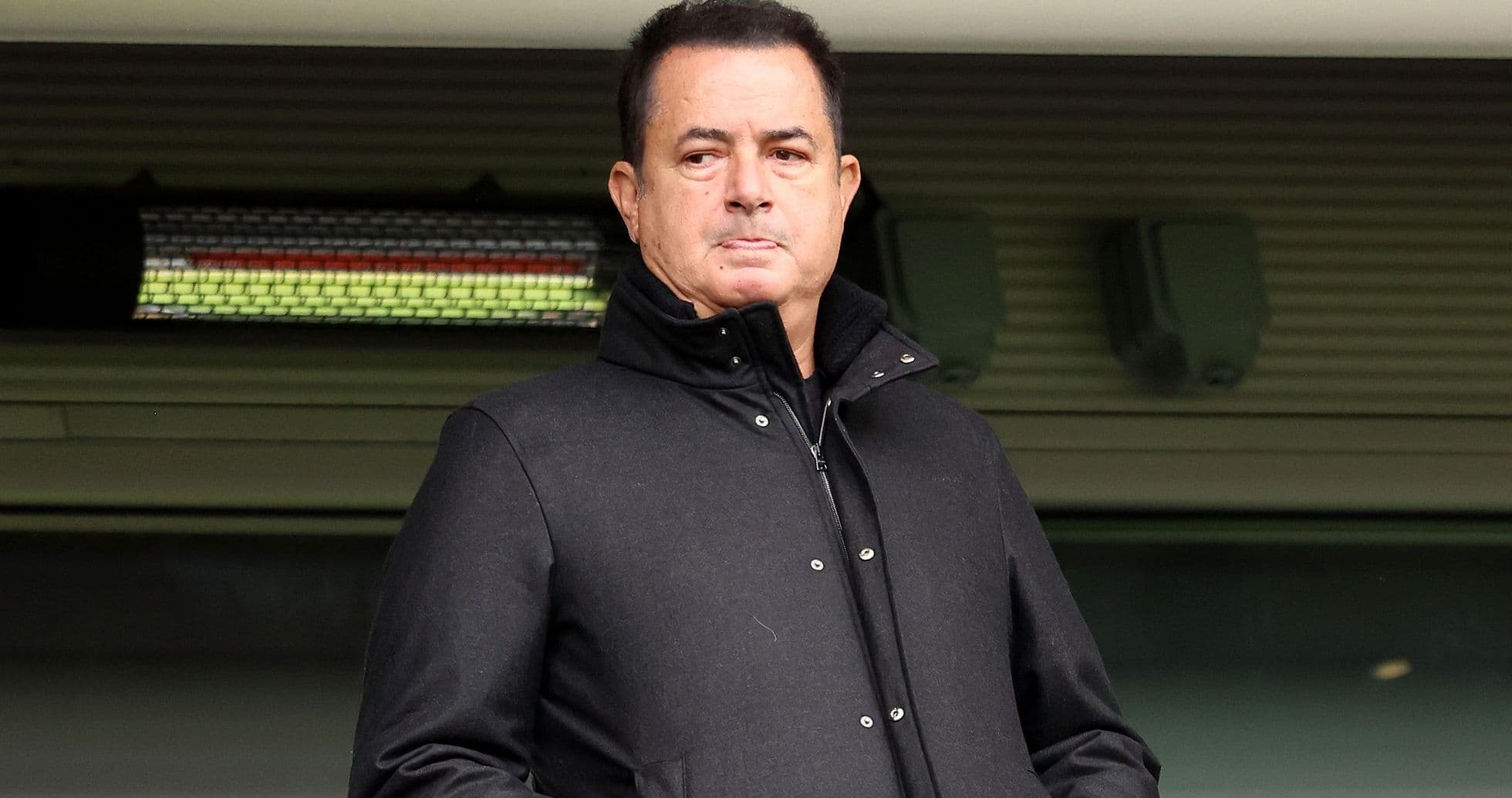
Hull City Owner Acun Ilicali Demands Direct Promotion to Premier League
Acun Ilicali wants chaos turned into clarity. In his eyes, there is only one clean way out of the Championship’s strangest play-off crisis in years: send Hull City straight to the Premier League.
The Turkish owner believes the Tigers, as the only original finalist left standing, should not be forced into what he views as a makeshift decider at Wembley. Southampton have been expelled for spying on opponents. Middlesbrough, who did not win their semi-final, have been dropped into the final as a “lucky loser”. For Ilicali, the whole thing stinks.
“We should go directly to the Premier League”
Speaking to Asist Analiz, Ilicali laid out the position his legal team is now building around Hull’s case.
“Under normal circumstances, two teams have reached the final and one has been disqualified. Our lawyers’ opinion is that we should go directly to the Premier League, but they’re examining it right now. We can’t say anything definitive. It’s a bit of a messy situation.”
Messy barely covers it. The EFL’s decision to remove Southampton from the play-offs after a spying scandal and parachute Middlesbrough into the final has set off a chain reaction of legal threats, appeals and accusations of sporting injustice on all sides.
The trigger was stark. Southampton admitted sending an intern to secretly watch Middlesbrough’s training sessions before their semi-final meeting, a clear breach of regulations. The Saints have not tried to deny the act, only the scale of the punishment that followed.
Their CEO, Phil Parsons, has already confirmed the club has appealed against both the expulsion from this season’s play-offs and the future points deduction that came with it. They argue the sanction is “disproportionate”, and they have reached for precedent to back them up, pointing to the Leeds United scouting storm of 2019, which ended only in a fine.
Hull caught in the crossfire
While Southampton fight to get back into the picture, Hull find themselves stuck in the middle of a storm they did not create, yet feel they are paying for.
They had a week and a half of work banked. Ten days of video, tactical drills, and detailed planning tailored specifically to Southampton’s style, strengths and weaknesses. Then, with Wembley looming, the opponent vanished and a new one appeared.
For a one-off game billed as the richest match in football, Ilicali sees that as a fundamental distortion of sporting fairness.
“We had been preparing for Southampton for 10 days. All the planning, analysis, and work was focused on them. Now, with the days left until the final, the opponent has changed. Tomorrow the players are off, Thursday is the last serious training session. We’ll prepare for the new opponent with one training session,” he said.
One serious session to rewire a game plan for a different team, different threats, different patterns. From Hull’s perspective, that is not a minor inconvenience; it is the decisive edge in a £200 million contest handed away by administrators.
Ilicali has not hidden his frustration at what he calls a logistical nightmare. Travel, scouting, preparation, mental focus – all of it thrown into doubt while lawyers and league officials argue over rules and precedents. His view is simple: Hull have done everything right, reached the final legitimately, and now face a reshaped, compromised route to promotion.
Saints cry foul, Tigers claim victimhood
Southampton’s stance is equally fierce, but pointed in another direction. They accept wrongdoing in sending an intern to Boro’s training ground, yet insist the punishment is wildly out of step with anything seen in the English game.
Their argument circles back to money and proportionality. To be denied a shot at a game worth in excess of £200 million, they say, is a leap far beyond previous disciplinary outcomes for similar offences. Leeds’ 2019 “Spygate” saga ended with a financial penalty; no play-off bans, no ripped-up seasons.
Hull’s hierarchy, though, believe they are the true collateral damage. In their eyes, the integrity of the play-offs has been bent out of shape by the decision to drag a beaten semi-finalist back into the competition and throw them into the final on short notice.
They were preparing for a finalist. Now they face a side that did not win their way there. That, they argue, changes the entire competitive landscape.
A final under legal shadow
For now, the showpiece at Wembley remains pencilled in for May 23. Hull are still scheduled to face Middlesbrough. Southampton’s appeal hangs over the date like low cloud, casting doubt on whether the line-up, or even the format, will hold.
Two clubs are fighting for promotion. One is fighting for reinstatement. The league is fighting to defend its authority.
Somewhere in the middle sits a simple, brutal question: in a season that ends with a £200 million match, who will decide the final – the players on the pitch, or the lawyers in the room?





