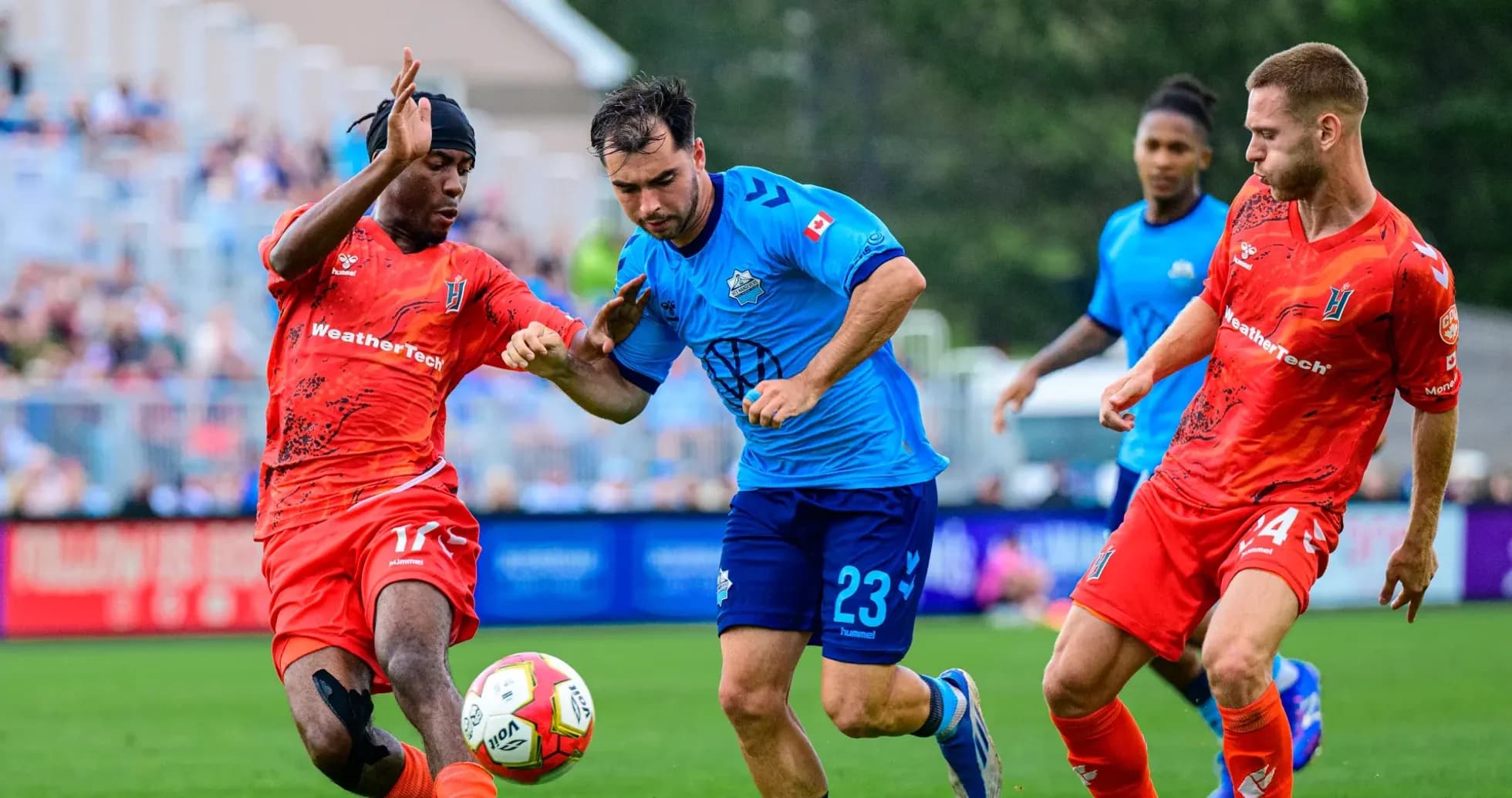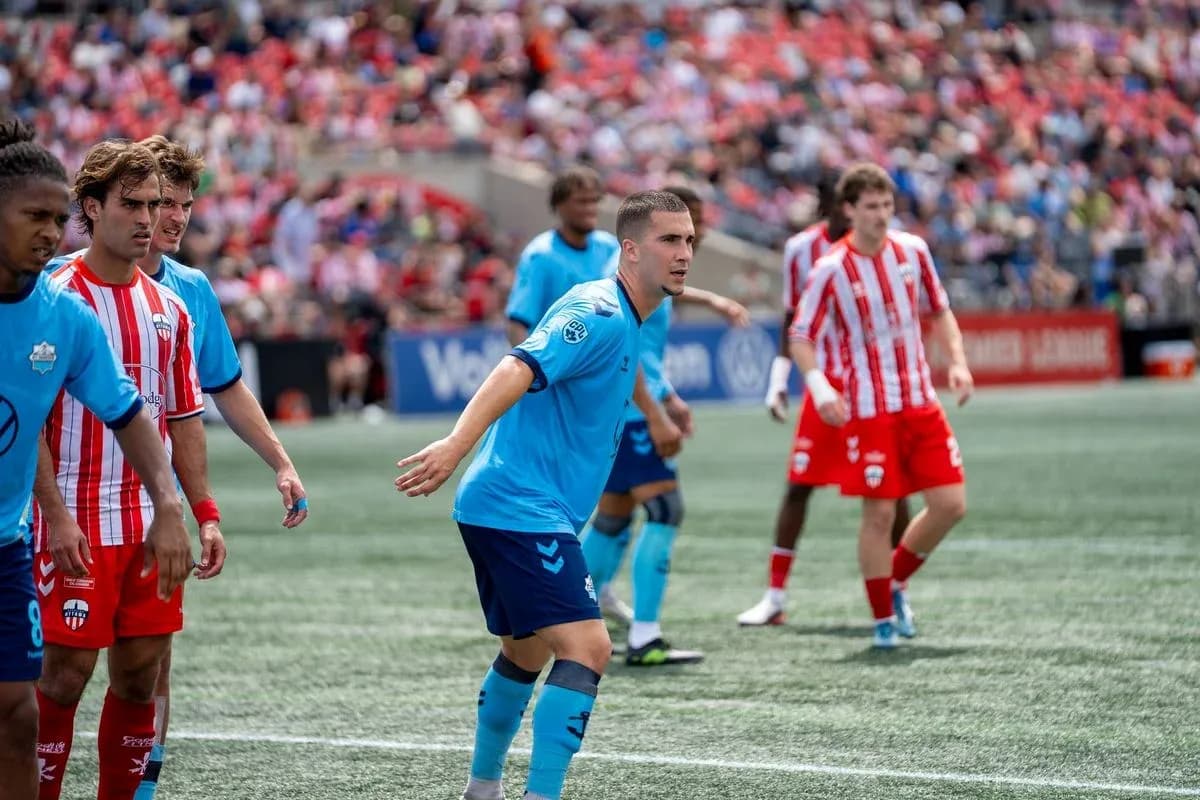
HFX Wanderers FC vs Atlético Ottawa: Tactical Analysis of a 0–1 Defeat
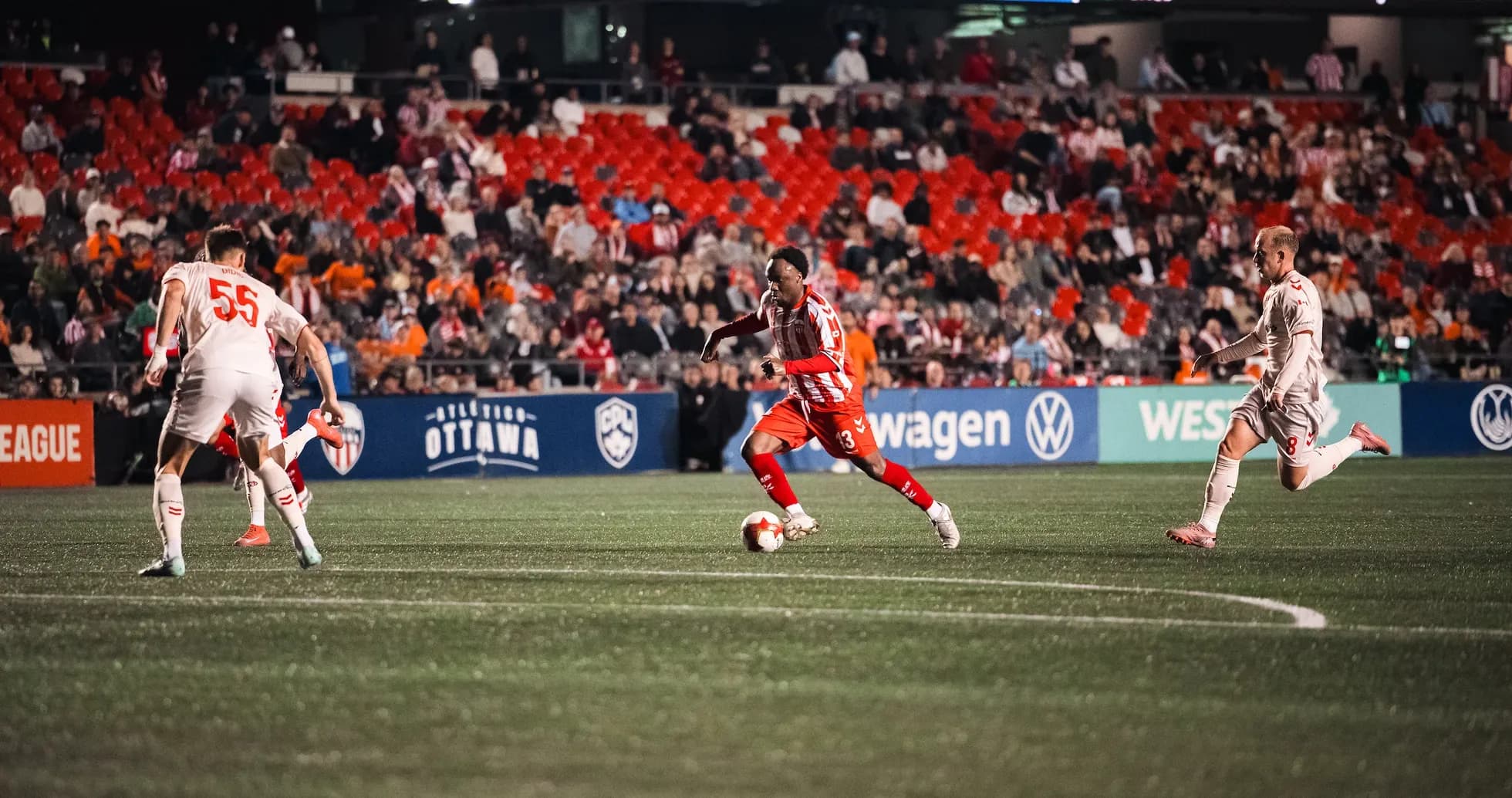
Under the floodlights at Wanderers Grounds, this Group Stage meeting in the Canadian Premier League finished with a stark, simple scoreline: HFX Wanderers FC 0–1 Atlético Ottawa. After 90 minutes in Halifax, the table tells a clear story. Wanderers, 5th with 26 points, remain a mercurial side with a total goal difference of -4 (35 scored, 39 conceded). Ottawa, 3rd on 37 points and sharing that same overall goal difference of -4, leave the east coast looking more like hardened contenders than fragile travellers.
The contrast in seasonal DNA framed the night. At home, HFX have been volatile but dangerous: in total this campaign they average 1.6 goals scored and 1.6 conceded at Wanderers Grounds, with their attacking surges spread across the 31-45, 46-60 and 76-90 minute windows (each holding 21.21% of their total goals). Ottawa, by contrast, arrived as a team that transforms late chaos into points. Overall, 36.11% of their goals come between 76 and 90 minutes, and 22.22% between 61 and 75. On their travels, though, they leak 2.0 goals per game and concede heavily early, with 21.05% of goals against arriving in the opening 15 minutes and another 21.05% between 46 and 60.
Into that tension stepped two distinct shapes: HFX in a 4-3-3 under Vanni Sartini, Ottawa in Gustavo Leal’s 4-2-3-1. The lineups hinted at the narrative. For Wanderers, M. Carducci anchored a back four of Jefferson Alphonse, T. Meilleur-Giguère, F. Linder and Kareem Sow. Ahead of them, Lorenzo Callegari, L. Olguin and S. Zitman formed a technical, possession-minded trio, with Miguel Arilla and J. Bahamboula flanking Isaiah Johnston in a fluid front three.
Ottawa’s 4-2-3-1 was built to absorb and spring. C. Kalongo started in goal behind a youthful but combative back line of T. Arnaud, J. Dunn-Johnson, Sergei Kozlovskiy and Joaquim Coulanges. The double pivot of D. Gutiérrez and Manuel Aparicio offered control and bite, while K. Habibullah, Ballou Tabla and Emiliano García rotated behind lone striker N. Fleuriau Chateau.
If this were a tactical preview rather than a post-mortem, the absences list would loom large, but here the story is about who actually stepped on the pitch – and how their season-long tendencies bled into the game. With no formal injury list provided, both coaches leaned heavily on their known cores.
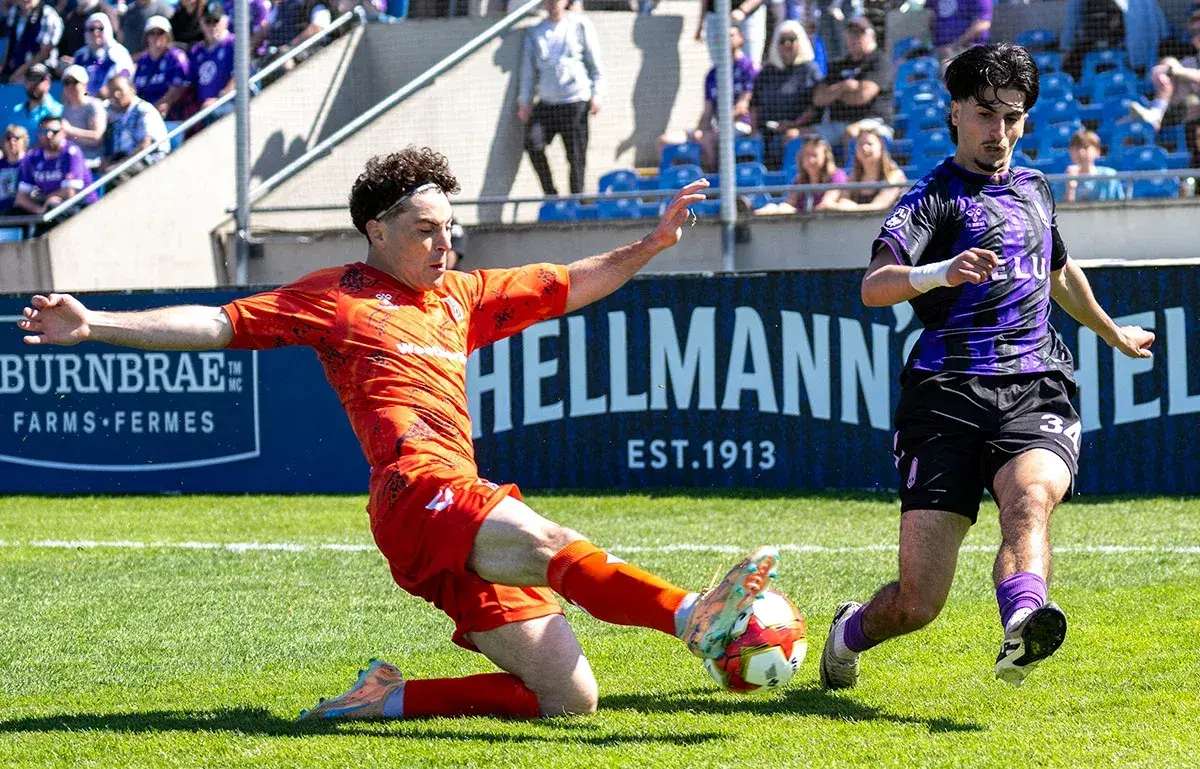
The “Hunter vs Shield” duel centred on HFX’s chief threat, Johnston, against an Ottawa defence that, in total this campaign, has conceded 39 goals. Johnston’s nine league goals and four penalties scored (with zero missed) have made him the league’s most dangerous two-way midfielder. He arrived with 31 shots, 25 on target, and a willingness to play on the edge – 17 fouls committed and six yellow cards. Against him, Kozlovskiy epitomised Ottawa’s raw but rugged back line: just 570 minutes, but seven yellow cards and 13 fouls committed, plus two blocked shots in his broader league profile. The duel was always likely to be attritional, not elegant.
Behind Johnston, Callegari was the “engine room” metronome. Across the season he has completed 1,212 passes at 87% accuracy, with 23 key passes and 36 tackles. His role in the 4-3-3 is to knit Wanderers’ phases, sliding between lines to launch those mid-game surges that have produced 21.21% of HFX’s goals in both the 31-45 and 46-60 minute bands. Opposite him, Aparicio is Ottawa’s combative organiser: 711 passes at 83% accuracy, 26 tackles, 19 interceptions and six yellow cards. If Callegari is a scalpel, Aparicio is a hammer – and this match followed that script, with Ottawa’s midfield more interested in disruption than decoration.
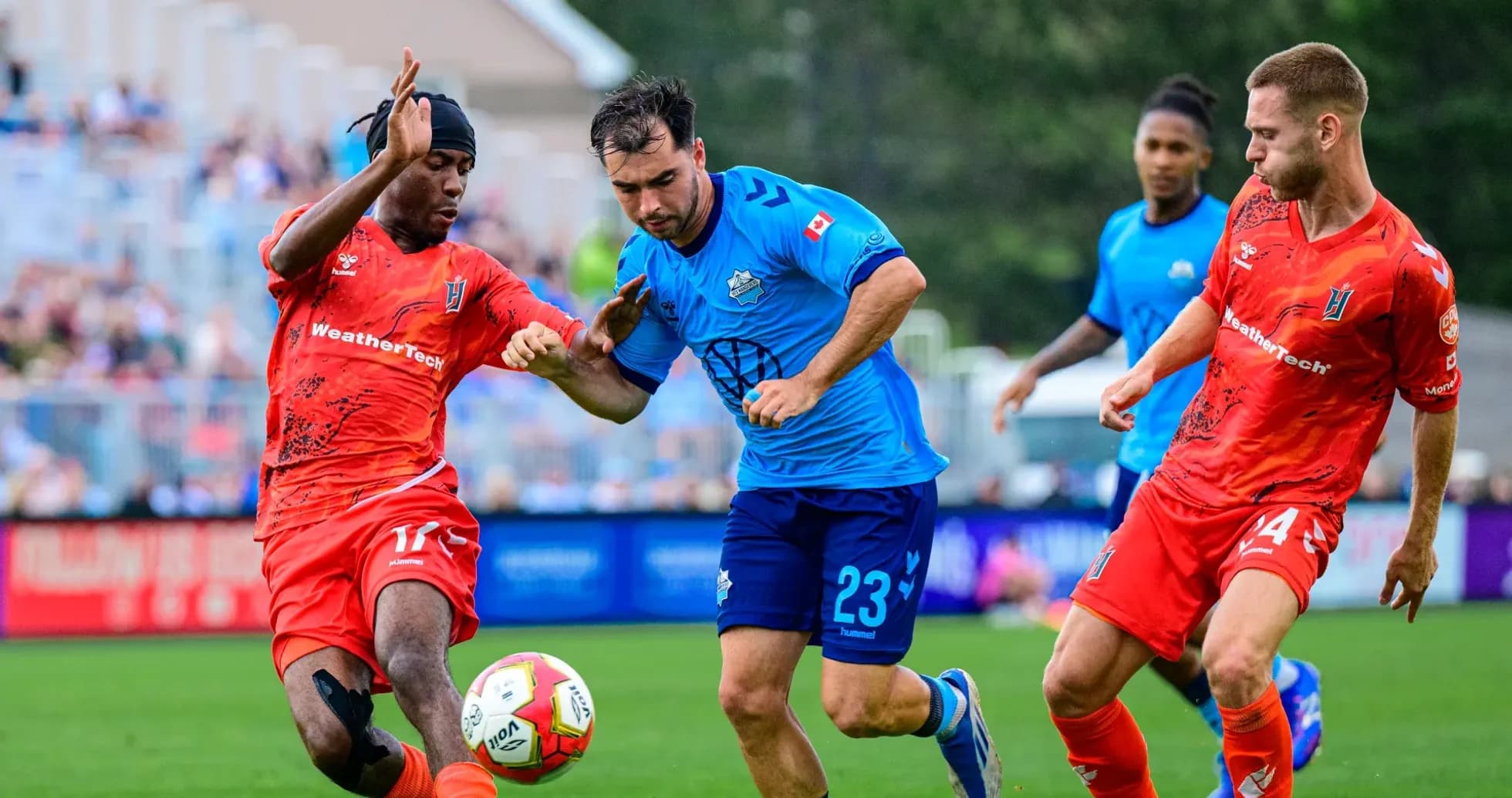
Out wide, the creative duel was subtler. For HFX, Arilla arrived as one of the league’s leading providers, with four assists, 17 key passes and 41 dribble attempts. His willingness to drive at full-backs is central to Wanderers’ ability to exploit that 46-60 window where they score 21.21% of their goals. Ottawa’s response came from the flanks and half-spaces: Tabla’s six goals, one assist, 32 dribble attempts and 28 fouls drawn make him the archetypal “hunter between the lines”. García, with three goals and 18 tackles, offers a hybrid threat – part winger, part presser.
The disciplinary undercurrent was always going to matter. Heading into this game, Wanderers had a pronounced late-card profile: 34.78% of their yellow cards arrive between 76 and 90 minutes, and another 10.87% in added time. Ottawa mirror that volatility, with 33.96% of their yellows also in the 76-90 window and 16.98% in stoppage. Add in G. Antinoro’s season red card and Tavio Ciccarelli’s yellow-red for HFX, and you have two squads conditioned to walk the line. In a tight 1–0, the threat of a late dismissal always hung over the closing stages, even if the data doesn’t give us the specific minute-by-minute bookings for this fixture.
From a statistical prognosis standpoint, the result aligns neatly with each team’s structural tendencies. Overall, both sides score 1.5 goals per match and concede 1.6, but the situational splits matter. At home, Wanderers’ 1.6 goals for and 1.6 against suggest a team that plays open, often trading punches. Ottawa’s away profile – 1.2 goals for, 2.0 against – usually points to chaos and vulnerability. Yet their late-goal bias (36.11% between 76 and 90 minutes) and their capacity to manage narrow leads showed through here. A single first-half strike, followed by disciplined game-state management, fits a team whose overall clean-sheet count (five, with two away) is built on protecting margins rather than suffocating opponents.
In narrative terms, this 0–1 feels like a meeting of two flawed but compelling projects. Wanderers’ 4-3-3, anchored by Carducci, Callegari and Johnston, has the tools to overwhelm sides, especially in those mid-game surges. Ottawa’s 4-2-3-1, powered by Tabla’s incision and Aparicio’s steel, is built to survive and then punish. Following this result, the table and the underlying numbers agree: Atlético Ottawa remain the more reliable proposition, while HFX Wanderers FC are still searching for a way to turn their statistical balance into scoreboard control.