Ghana's Strategy Against England: Key Tactical Decisions for Success
Ghana escaped. Just.
Ranked 73rd in the world and 39 places below Panama, the Black Stars were billed as favourites for their World Cup opener. They did win, 1-0, but only after long spells of suffering, tactical patchwork from Carlos Queiroz and a late surge of willpower.
That kind of performance will not survive England.
The group favourites are next, in what will be Ghana’s first competitive meeting with the Three Lions after a 1-1 friendly draw at Wembley back in 2011. This time the stakes are brutal, the margins thin, and Queiroz has big decisions to make.
The Jordan Ayew question
Jordan Ayew is the heartbeat of this squad and its headache.
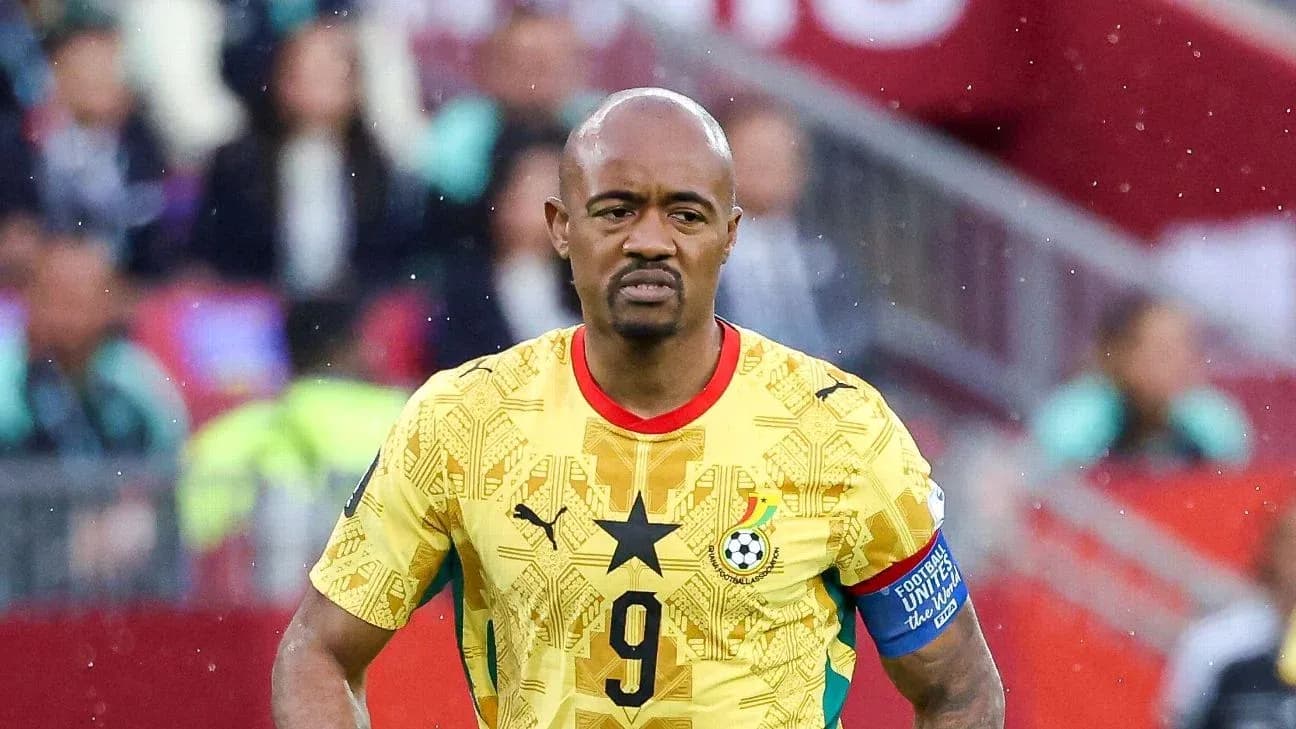
He is the captain. The most experienced player in the group. A centurion in caps, steeped in institutional memory, son of Abedi Pele and now one of only four Ghanaians to appear at three World Cups after featuring in 2014 and 2022. He leads the team out and carries the armband with authority.
Yet against Panama, he looked like a man stranded in the wrong role.
His lack of pace was laid bare. When he did get on the ball, the sharpness of thought that usually compensates for ageing legs deserted him at key moments. The clearest example came when Antoine Semenyo slipped him a pass and burst into space, demanding the return. Ayew had time. He had the angle. He had the obvious ball. Instead, he dribbled straight into traffic and lost possession.
Panama never punished those errors. England will.
A static centre forward will be easy prey for an England defence that, for all its flaws, will not allow a slow striker to dictate the game. Brandon Thomas-Asante, who created Caleb Yirenkyi’s winner, offers raw pace and aggression but not Ayew’s experience or gravitas. He plays in England, yes, but he has not yet faced the calibre of opponent he will see in this group.
So Queiroz stands at a crossroads. Bench the captain and lose his leadership in the most demanding game of the group? Or persist with him up top and risk seeing him swallowed whole by England’s back line?
There is a third way.
Ayew’s best moments against Panama came when he dropped off the front and knitted play together. When he operated between the lines, rather than trying to stretch the defence, Ghana’s attacks suddenly had shape and purpose. In that pocket, his lack of pace matters less. His vision, touch and game intelligence matter more.
An advanced midfield role suits him now. From there, he can link midfield to attack, find pockets of space in front of England’s defence and feed the runners who do have the legs to hurt them.
Picture a front unit with Ayew tucked underneath Semenyo and one of Thomas-Asante or Abdul Fatawu. That trio gives Ghana pace in the channels and direct running against England’s weaker defensive zones, while Ayew operates as the connector, not the chaser. His job becomes to release others, not to outrun anyone.
If Queiroz solves the Ayew dilemma that way, he keeps his leader on the pitch and removes the worst of the risk.
Partey’s return is non-negotiable
The other big call should be far simpler: Thomas Partey has to start.
Elisha Owusu struggled badly against Panama, swamped by their midfield and often left exposed by a disjointed team shape in the first half. He was not alone in that, but the contrast with what Partey can offer is stark.
England’s midfield is elite. Jude Bellingham and Declan Rice dominated Croatia in a 4-2 win that showcased their power, control and constant forward threat. If Ghana go into that battle without their most accomplished midfielder, they invite 90 minutes of chasing shadows.
Partey alongside the impressive Caleb Yirenkyi gives Ghana a chance to dictate spells of the game instead of simply surviving them. Both can sit, screen and read danger. Both can step in to break England’s rhythm and deny Bellingham those driving runs through the middle. With that platform, Rice is forced to defend more and attack less.
That shift is crucial. If Rice spends the night stepping out with the ball, Ghana will be pinned back. If he spends it plugging gaps and tracking runners, Ayew can operate higher, knitting the lines and feeding the forwards.
Partey doesn’t just bring passing and calm. He closes the very central spaces that Panama exploited and that England will be desperate to find. In a match where every set piece and second ball matters, his positioning becomes a form of insurance.
Where England can be hurt
England beat Croatia, but they bled chances.
They conceded twice and offered up more openings than a side with their ambitions should. The most glaring flaw sat on the flanks. Reece James was criticised for losing his man on one Croatian goal, while left back Nico O’Reilly, bright going forward, looked like what he is: a defensive work in progress.
That is Ghana’s invitation.
Semenyo’s straight-line running and physical strength can force James and O’Reilly into uncomfortable one-on-one duels. Thomas-Asante’s pace and relentlessness can drag them into the kind of chaotic, scrambling defending they dislike. Fatawu’s ability to take on fullbacks from wide positions can stretch England’s back line until the gaps appear inside.
Croatia found joy when they attacked quickly, before England could settle into their defensive shape. Ghana must copy that blueprint. Win the ball, go forward with conviction, and make every transition count.
They have the tools: speed, craft, and the physical edge to unsettle defenders who prefer structure over street-fight football.
No more slow starts
Against Panama, Ghana spent an hour on the back foot.
Panama dictated possession, carved out the better chances and forced the Black Stars into a reactive, nervy game. Control only arrived once Queiroz shuffled the pieces, moved Semenyo centrally and unleashed a more aggressive press after the break.
That kind of slow burn will be fatal against Thomas Tuchel’s England.
The Three Lions looked rattled when Croatia pressed them high in the first half. They coughed up mistakes in midfield and at the back, lost their shape and conceded twice. But they also scored twice before the interval. They do not need long to inflict damage.
If Ghana sit deep and wait, as they did for long spells against Panama, they risk being buried before they can adjust. Harry Kane and his supporting cast are ruthless when given early space and time.
The Black Stars must start at the tempo they finished with in their opener. Press high. Compete for every second ball. Turn the game into a contest of endurance and nerve, not a training exercise for England’s passing patterns.
Queiroz knows this. His post-match words after Panama were blunt: “We have to suffer; there is no other way.” This is what that suffering looks like — 90 minutes of running, tackling, pressing, and refusing to let England breathe.
Survive the dead ball
Then there is England’s old weapon: set pieces.
On the opening matchday, no team produced a higher non-penalty expected goals figure or more shots on target from dead-ball situations. Kane’s second against Croatia came from a Rice corner and an unforgivable lapse in marking, the captain left free to nod home.
Ghana cannot repeat that script.
Whether Lawrence Ati-Zigi recovers in time to start after his first-half collision against Panama or Benjamin Asare steps in, the instruction is the same: nobody loses their man at corners or wide free kicks. Not once.
The first line of defence starts earlier. Avoid needless fouls in front of the box. Close the central gaps that Panama exploited. This is where Partey’s reading of the game and positional discipline matter as much as any tackle.
And if the worst happens and Ghana concede a penalty, the goalkeepers must be ready for Kane’s tricks from the spot. He studies them. They must study him. His run-up is a mind game; Ati-Zigi and Asare need to walk into it having done their homework, not guessing on the night.
Queiroz has framed this World Cup as a test of how much his players are willing to pay for a result. Against England, that price will be steep. The question is no longer whether Ghana can suffer.
It is whether they can suffer with a plan sharp enough to shock the favourites.