Ghana’s Journey to the 2026 World Cup: Strength and Ambition
Ghana arrive at the 2026 World Cup with a reputation carved in granite. Six goals conceded in 10 qualifying games tells its own story: this is a team that knows how to suffer, how to shut doors, how to grind.
But that defensive certainty has taken a brutal hit.
Defence: A Wall With a Crack
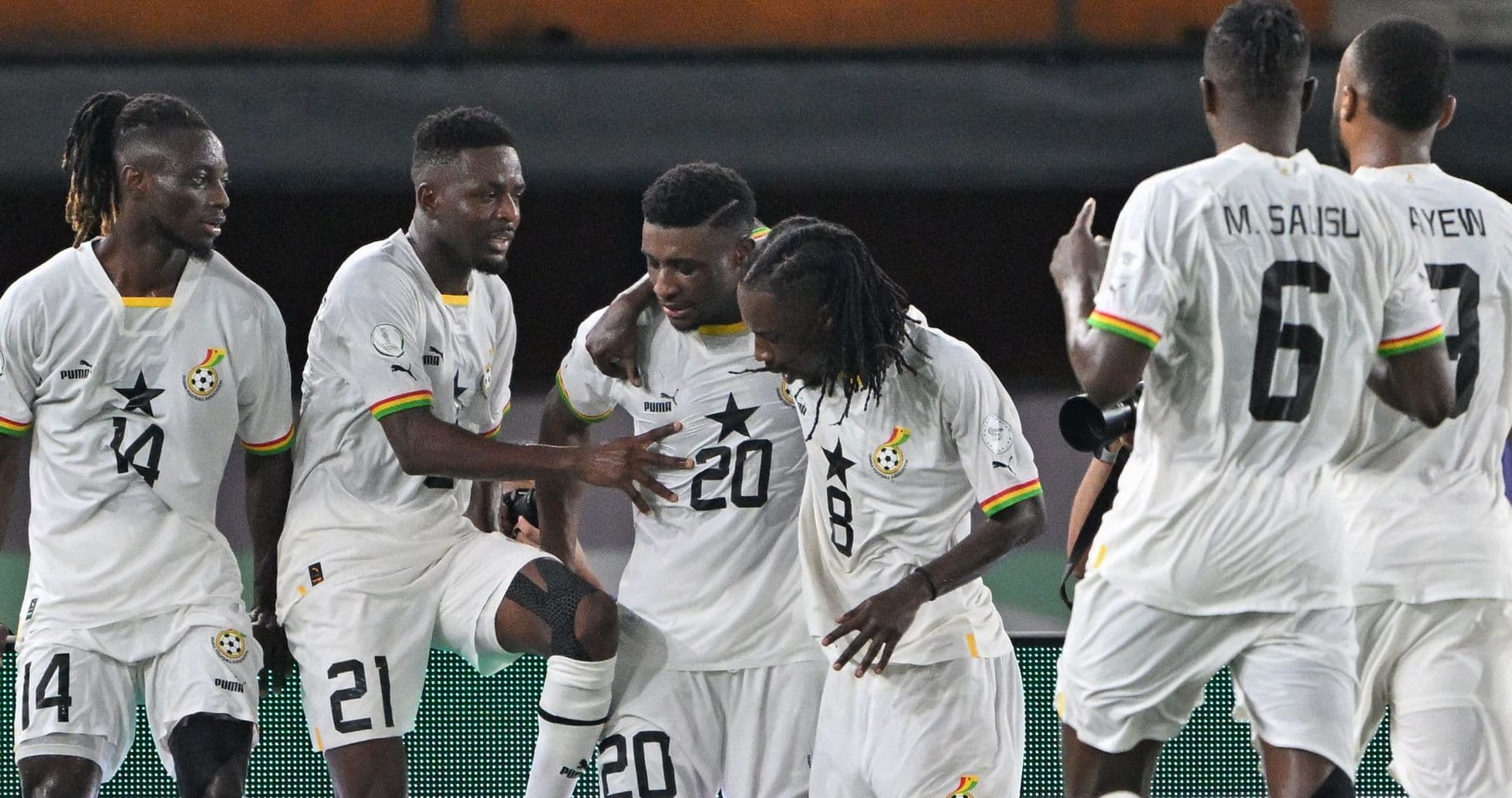
The partnership between Alexander Djiku and Mohammed Salisu has underpinned the Black Stars’ recent resilience. Djiku’s reading of the game and Salisu’s physical dominance gave Ghana a spine opponents struggled to bend, let alone break.
Now Salisu is out of the tournament with an ACL injury. A cornerstone gone, just as the world stage looms.
Djiku, now at Spartak Moscow, will marshal the back line as usual, but the question of who stands next to him is wide open. Jerome Opoku, after steady work at İstanbul Başakşehir, looks the likeliest to step in. He is no like-for-like replacement for Salisu, but he offers presence, aggression and a left-footed balance Ghana will need.
On the flanks, Gideon Mensah has long been the default at left-back, a regular presence and trusted outlet. His place, though, is no longer untouchable. Derrick Kohn’s rise at Union Berlin has been one of those quiet success stories in the Bundesliga: consistent, disciplined, and increasingly hard to ignore. Mensah has the shirt. Kohn is coming for it.
The build-up friendlies will decide more than just match sharpness. Otto Addo has widened the defensive pool with call-ups for Patric Pfeiffer (Darmstadt 98), Marvin Senaya (Auxerre) and Derrick Luckassen (Pafos FC), as he tests combinations and temperament.
Young Kojo Peprah Oppong, who burst into Ligue 1 with Nice and earned his first cap late last year, will also fight to keep his place in the squad. His inclusion signals a clear message: reputation alone will not carry anyone to North America.
Behind them, Benjamin Asare is set to start in goal, the calm presence behind a line that, even reshaped, should remain one of Ghana’s great strengths.
Midfield: Kudus, Partey and the Battle for Rhythm
If the defence gives Ghana its structure, the midfield gives it its heartbeat.
Mohammed Kudus is the headline act. His goal against Comoros sealed World Cup qualification, and even after a grim domestic season with Tottenham, he remains the player Ghana look to when the game tightens and the air gets thin. Injuries have stalked his 2026, but the expectation is simple: arrive fit, and take the stage.
Thomas Partey, now at Villarreal, no longer dominates the club scene as he once did. Minutes in La Liga have been limited, but his importance to the national team has not faded. He remains the anchor, the organiser, the man who knows when to slow the game and when to drive it forward. In qualifying, he was central to everything good about Ghana’s control in midfield.
Elisha Owusu of Auxerre offers energy and bite, the kind of midfielder who fills gaps and snaps into duels. If he can finally put his injury troubles behind him, he is a strong candidate to start alongside Partey. Ibrahim Sulemana, back in the squad in time for the March friendlies after his own setbacks at Cagliari, adds another dynamic option.
Kwasi Sibo (Oviedo), Kelvin Nkrumah and Prince Owosu (both Medeama SC), and Salis Abdul Samed of Nice round out a group that blends graft and guile. Abu Francis, though, will not make it. A double leg fracture in a friendly against Japan at the end of 2026 has cruelly ended his World Cup hopes before they truly began.
In Addo’s likely 4-3-3, Partey will sit deepest, Sibo is tipped to slot alongside him, and Kudus will be unleashed higher up the pitch, tasked with stitching midfield to attack and supplying the front line with the moments that change tournaments.
Attack: Star Power, Old Debates, New Threats
Up front, Ghana do not lack for firepower. They lack space.
Antoine Semenyo is the man everyone is watching. His rise has been spectacular: he lit up the Premier League with Bournemouth, then moved to Manchester City in January and kept scoring, lifting the Carabao Cup in March. For Ghana, he is the reference point, the forward who can bully centre-backs, run in behind and finish with cold precision.
Jordan Ayew, now at Leicester, wears the armband and carries the weight of expectation. He finished as Ghana’s top scorer in qualifying with seven goals and will lead the line at his third World Cup. He is more than a finisher now; he drops deep, links play, sets the tone with his work rate.
Inaki Williams brings Athletic Club’s intensity and directness, a proven goalscorer who offers relentless running and a constant threat in transition. Between Ayew, Williams and Semenyo, Ghana can shape their attack to suit the opponent: power, movement, or pure pace.
Then comes the argument that refuses to die down. Andrew Ayew, 36, has not featured for the national team since AFCON 2023, but his name still stirs emotion. Calls continue for his loyalty and service to be rewarded with a final World Cup ticket. The debate is no longer about form; it is about legacy, leadership, and whether sentiment has a place in a squad this competitive.
On the flanks, the flair is unmistakable. Abdul Fatawu Issahaku has become a standout at Leicester, scoring eye-catching goals and growing in confidence with every passing month. On the opposite side, Kamaldeen Sulemana, now at Atalanta, offers electric dribbling and a velvet first touch that can unpick tight defences.
Ernest Nuamah (Lyon), Christopher Bonsu Baah (Al Qadsiah), Brandon Thomas Asante (Coventry) and Prince Adu (Viktoria Plzen) deepen the attacking pool. Each brings a different profile, each forces Addo into difficult conversations. There will be good players left at home.
How Ghana Could Line Up
Strip away the noise, and a clear shape emerges.
- Asare in goal.
- A back four of Alidu Seidu, Opoku, Djiku and Mensah, with Kohn pushing hard to break in.
- Partey and Sibo forming the midfield shield, Kudus roaming ahead of them as the creative spark.
And then the front three that could define Ghana’s tournament:
- Fatawu Issahaku from the right, Ayew through the middle, Semenyo from the left or drifting centrally, all interchanging, all capable of deciding games.
Predicted Ghana Starting XI (4-3-3): Asare; Seidu, Opoku, Djiku, Mensah; Partey, Sibo, Kudus; Fatawu Issahaku, Jordan Ayew, Semenyo.
The spine is there. The stars are there. The question is whether this blend of steel and swagger can carry Ghana beyond being merely hard to beat, and turn them into a side the rest of the world truly fears.