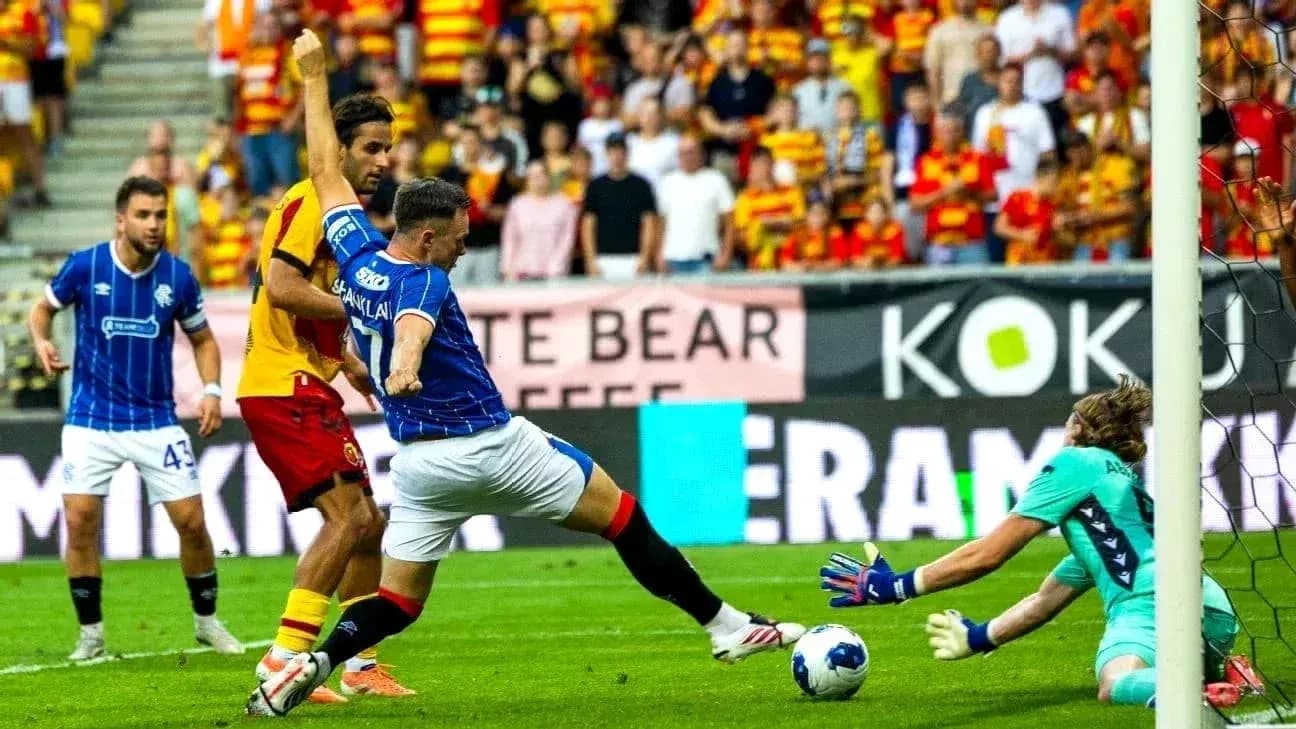
FC Iberia 1999 vs Jagiellonia: UEFA Europa League Play-Off Preview
At Mikheil Meskhi Stadium in Tbilisi, FC Iberia 1999 host Jagiellonia in the second leg of a UEFA Europa League play-off tie, a match that will decide who advances into the main competition phase and who sees their European campaign cut short at the very first hurdle of 2026.
Head-to-Head Tactical Summary
The only previous meeting between these sides came in the first leg of this play-off on 20 August 2026 at Chorten Arena in Bialystok. Jagiellonia, playing at home, beat FC Iberia 1999 by 4–0, leading 2–0 at half-time and maintaining control to the end. That game showed a clear pattern: Jagiellonia were able to open Iberia up repeatedly, score in both halves, and keep a clean sheet, leaving the Georgian side with a heavy deficit to overturn in Tbilisi.
Global Season Picture
- League Phase Performance: There is no standings data available yet for either FC Iberia 1999 or Jagiellonia in the 2026 UEFA Europa League, so goals for, goals against and points within a formal group or league phase cannot be quantified at this stage.
- Season Metrics: In the league phase context of this Europa League campaign so far, FC Iberia 1999 have played 3 matches, winning 1, drawing 1 and losing 1, with 2 goals scored and 5 conceded overall. Their attacking output has been modest (0.7 goals per game) and they have failed to score in 2 of those 3 fixtures, while conceding 1.7 per match. Jagiellonia have also played 3 games, with 2 wins and 1 draw and no defeats, scoring 7 and conceding just 2, an average of 2.3 scored and 0.7 conceded per match. Disciplinary profiles show Iberia picking up most of their yellow cards in the final half-hour, while Jagiellonia’s bookings are more evenly spread across the halves, and both sides have avoided red cards so far.
- Form Trajectory: FC Iberia 1999’s form string of D–W–L indicates a small but telling arc: initial resilience, a home win, then a heavy away defeat that exposes defensive fragility and attacking limitations on the road. Jagiellonia’s W–D–W run underlines an unbeaten and upward trajectory, with consistent scoring and the ability to manage different game states without losing.
Tactical Efficiency
Across these early Europa League fixtures, Jagiellonia have been markedly more efficient in both penalty areas. Their scoring rate of 2.3 goals per match against just 0.7 conceded reflects a side that converts pressure into goals and protects its own box effectively. FC Iberia 1999, by contrast, are operating with a negative goal balance, creating far fewer clear chances and allowing opponents more scoring opportunities, as underlined by their 4–0 defeat in Bialystok. The contrast in clean sheets and “failed to score” numbers is particularly stark: Jagiellonia have not failed to score in any game, while Iberia have drawn blanks in two-thirds of their matches, pointing to a structural gap in attacking efficiency that Iberia must somehow overturn in a single night.
The Verdict: Seasonal Impact
The first-leg 4–0 result has dramatically tilted the seasonal landscape of this tie. For FC Iberia 1999, the home leg in Tbilisi is now less about a balanced qualification battle and more about attempting one of the rare major European comebacks; failure to do so would mean their Europa League journey ends before the main phase has even begun, limiting both exposure and revenue for 2026. For Jagiellonia, the cushion allows them to manage the second leg with a focus on control and risk management; successfully seeing out the aggregate lead would secure a valuable place in the competition proper and position them as a side with genuine momentum going into the autumn. In seasonal terms, the first-leg result has moved Jagiellonia to the brink of progression, while pushing Iberia into a high-risk, all-or-nothing scenario that could define their entire European year.