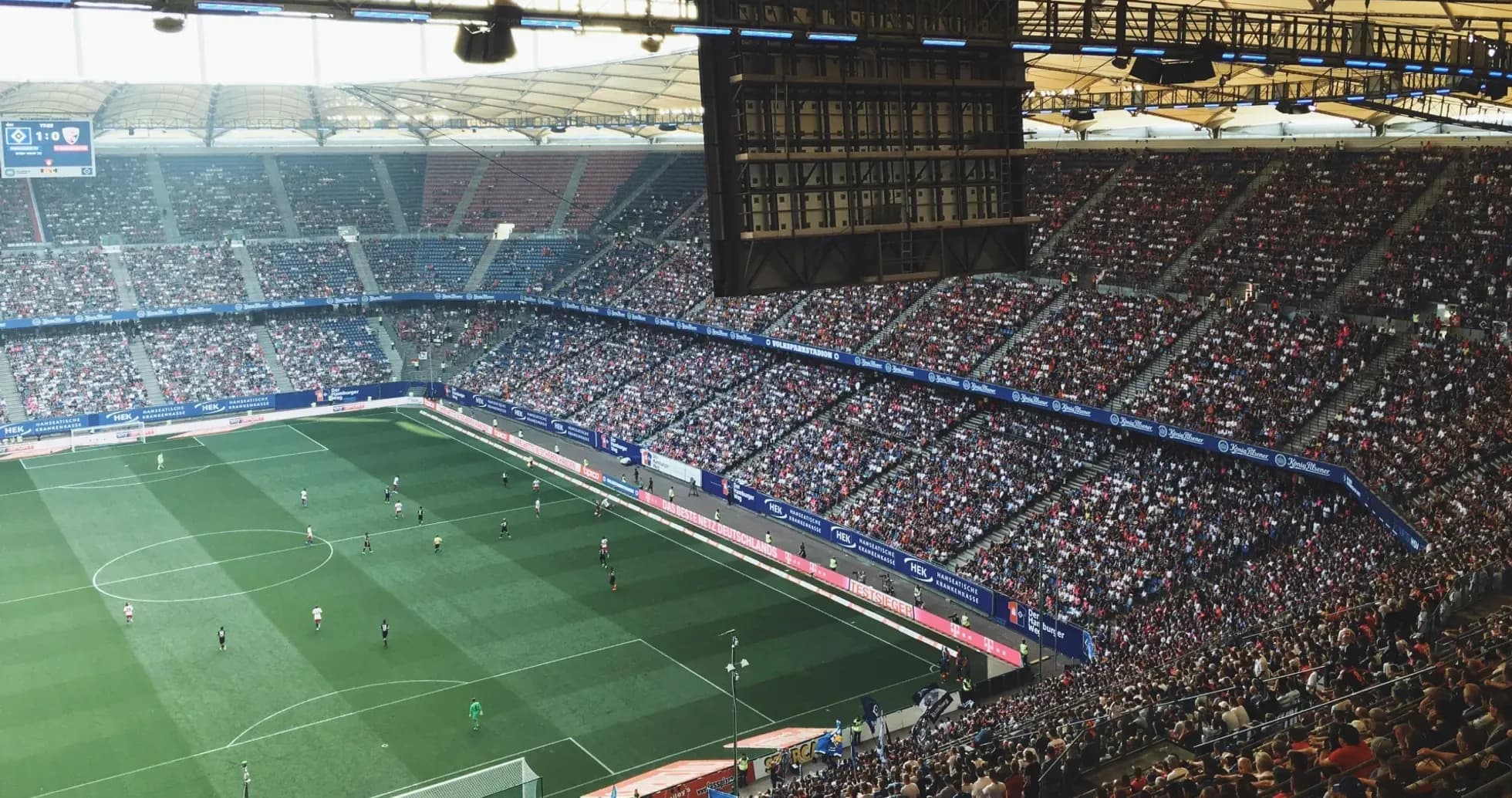
FC Cincinnati II Dominates Toronto II 5-0 at NKU Soccer Stadium
Under the lights at NKU Soccer Stadium, FC Cincinnati II and Toronto II met in what, on paper, looked like a clash of opposites: a home side clinging to life in the Eastern Conference pack, and an away team sitting in a promotion-eligible berth. By full time, the narrative had been rewritten. Cincinnati II’s 5–0 demolition did more than settle a single Group Stage fixture in MLS Next Pro; it re‑stated their identity at home and exposed deep structural issues in Toronto II’s travelling game.
I. The Big Picture – A season turned inside this 90 minutes
Heading into this game, the standings framed the contest starkly. FC Cincinnati II were 7th in the Northeast Division and 13th in the Eastern Conference, with 6 points from 7 matches and a goal difference of -2, built on 9 goals for and 11 against overall. Their season had been streaky and unforgiving: “LLLLWLW” in form, a run that spoke of fragility but also of a side capable of sharp, isolated highs.
At home, though, a different profile was already emerging. In total this campaign, Cincinnati II had played 3 matches at NKU Soccer Stadium, winning 2 and losing 1. They had scored 7 home goals and conceded just 3, an attacking average of 2.3 goals for and 1.0 against per home game. Their biggest home win in total this campaign was already a 5–0, and this fixture matched that emphatic blueprint exactly.
Toronto II arrived as the more stable proposition in the table: 4th in the Northeast Division and 8th in the Eastern Conference, on 11 points from 8 games, with a goal difference of 0 (13 scored, 13 conceded overall). The league description attached to that 8th place was telling: “Promotion – MLS Next Pro (Play Offs: 1/8-finals)”. They were in the bracket, but their foundations were shaky. On their travels, they had played 5, winning just 1 and losing 4, scoring 7 and conceding 9. An away average of 1.4 goals scored and 2.0 conceded hinted at vulnerability whenever they stepped outside Toronto.
At NKU, those trends were amplified, not softened.
II. Tactical Voids – Absences, discipline, and structural gaps
No formal list of absentees was recorded, but the lineups themselves told part of the story. Toronto II, under Gianni Cimini, fielded a youthful, high‑numbered XI: Z. Nakhly, E. Omoregbe, D. Barrow, S. Kapor, D. Stampatori, B. Boneau, T. Fortier, D. Adamson, D. Dixon, J. Nugent, and E. Khodri. The absence of any listed formation underlined a broader theme: this is a side still searching for a settled structure, especially away from home where their record is 1 win and 4 defeats.
Cincinnati II, by contrast, leaned into a more coherent core: F. Mrozek, F. Samson, S. Lachekar, W. Kuisel, D. Hurtado, C. Sphire, M. Sullivan, C. Holmes, A. Chavez, L. Orejarena, and S. Chirila formed a starting group that has been molded by repeated adversity. Their season statistics show a team that concedes too much overall (11 against in 7 matches, an average of 1.6 per game) but is significantly tighter at home.
Disciplinary patterns from the season added a hidden tactical layer. Cincinnati II’s yellow cards skew heavily to the opening quarter-hour, with 33.33% of their cautions coming between 0–15 minutes. That early aggression can be double-edged: it sets a tone, but risks cheap bookings. Toronto II, meanwhile, spread their yellows more evenly, with peaks at 31–45 and 76–90 minutes (both at 25.00%). That suggests a side that reacts under pressure rather than dictating it, often fouling as games swing against them before and after the interval.
III. Key Matchups – Hunter vs Shield, and the engine rooms
This fixture was always going to be defined by whether Cincinnati II’s home attacking profile could overwhelm Toronto II’s away defensive fragility.
Hunter vs Shield: Cincinnati II’s attack vs Toronto II’s defence
In total this campaign, Cincinnati II averaged 1.3 goals per match overall, but that jumps to 2.3 at home. Toronto II’s defence, by contrast, concedes 1.9 goals per match overall and 2.0 on their travels. The “intersection” is brutal: a home side that tends to overperform in front of their own supporters, against an away defence that habitually gives up at least two chances worth of damage.
The 5–0 scoreline was the extreme version of that equation, but not an outlier in profile. Toronto II’s biggest away loss in total this campaign was already 5–0, and they have conceded 10 goals across 5 away matches. The pattern is not episodic; it is structural.
Engine Room: control vs transition
Without explicit positional data, the battle in midfield is best understood through roles implied by usage and squad structure. For Cincinnati II, players like C. Sphire and M. Sullivan form the connective tissue between defence and attack, supported by wide or advanced outlets such as C. Holmes, A. Chavez, L. Orejarena, and S. Chirila. At home, this “engine” has produced 7 goals in 3 matches and only failed to score in 0 home games in total this campaign.
Toronto II’s central platform, built around B. Boneau, T. Fortier, and E. Khodri, has not travelled well. On their travels they have failed to score in 3 away matches, despite an away average of 1.4 goals per game. That inconsistency hints at a midfield that can be bypassed or suffocated, especially when forced to chase the game.
In this match, Cincinnati II’s engine clearly won the territory war, allowing their attacking band to swarm Toronto II’s back line and repeatedly convert pressure into goals.
IV. Statistical Prognosis – xG shadows and defensive reality
There is no explicit xG data in the snapshot, but the existing metrics allow a grounded inference. A home side averaging 2.3 goals scored and 1.0 conceded at NKU, facing an away side averaging 1.4 scored and 2.0 conceded on their travels, sets up a baseline expectation of Cincinnati II creating the higher‑quality chances. Toronto II’s profile of two clean sheets in total this campaign (one home, one away) is outweighed by 5 defeats in 8 overall and a goal concession rate of 1.9 per game.
Following this result, the statistical story crystallises: Cincinnati II’s home form is not a quirk but a defining trait, and their biggest home win of 5–0 has now been repeated, reinforcing the idea that, at NKU Soccer Stadium, they can dismantle even playoff‑placed opposition. Toronto II remain a paradox: competitive in the table, but with an away defensive structure that collapses under sustained pressure.
In tactical terms, the prognosis going forward is clear. Cincinnati II’s path up the Eastern Conference will be built on amplifying this home identity and finding even a fraction of that solidity on their travels. For Toronto II, any genuine promotion push will depend on repairing the away block: turning a leaky, reactive back line into a unit that can survive the kind of storm they faced in Cincinnati. Until then, fixtures like this will continue to turn their promising league position into a precarious illusion.