Is Harry Kane the Last of England’s World-Class Strikers?
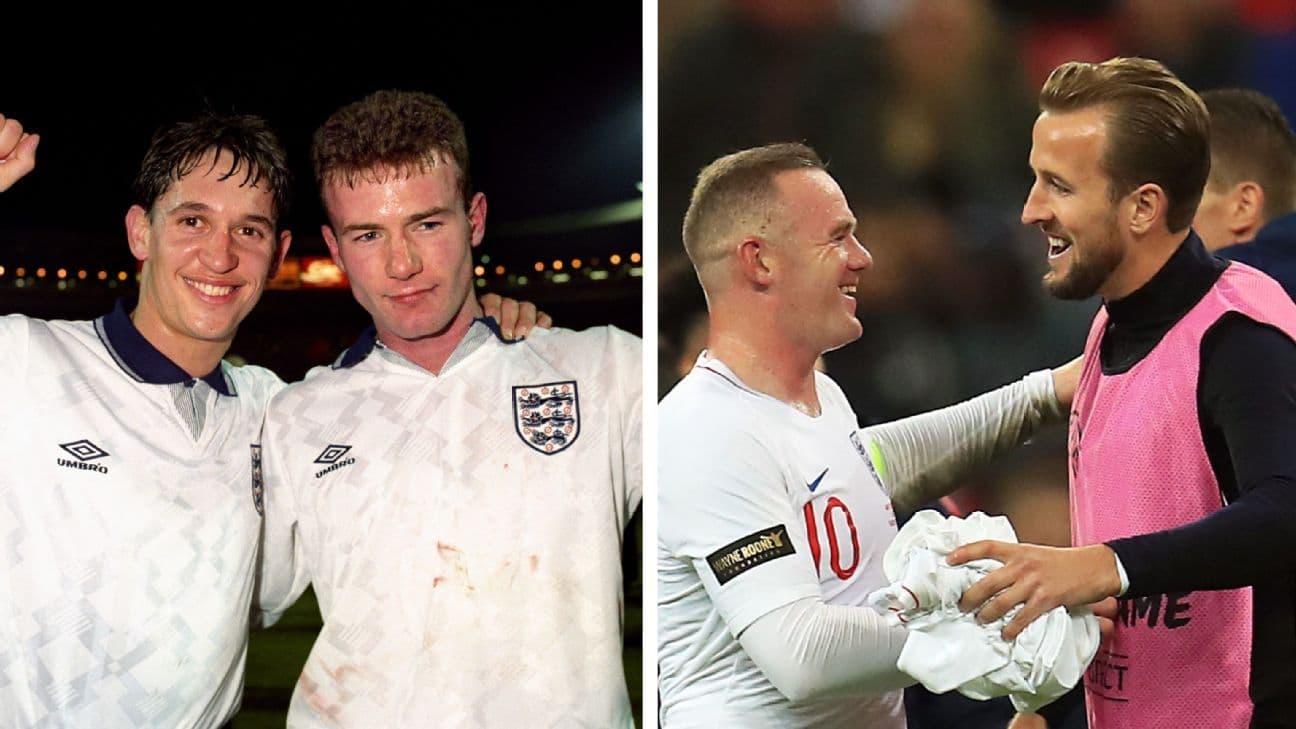
From Gary Lineker to Wayne Rooney, England has been fortunate to boast a world-class striker for nearly five decades. Yet now, with Harry Kane leading the line, doubts surface about whether this tradition can continue beyond him.
Kane, at 32, carries the weight of national expectation into the 2026 World Cup in North America. It might be his final tournament as England’s captain and one of the sport’s most feared forwards. His eventual departure leaves a question mark over who will step up next—if anyone is ready.
A Glimpse of Life Without Kane
In recent friendlies against Uruguay and Japan, England’s performances without Kane revealed vulnerability. The team appeared "lost and confused," giving fans a stark preview of the challenges that await if a top-class striker isn't available. Reliance on Kane this summer seems assured, but what follows his era remains unknown.
For many England supporters, the idea of a national team lacking a world-class No. 9 is unfamiliar. Since May 26, 1984, when Lineker replaced Tony Woodcock, an unbroken chain of elite strikers has led England’s attack at every major tournament they qualified for, from 1986 onward.
The Golden Age of England’s No. 9s
The likes of Lineker, Alan Shearer, Michael Owen, Rooney, and Kane have collectively scored 249 international goals, earned two World Cup Golden Boots, claimed 11 top-flight Golden Boots, and amassed numerous club scoring records and player awards.
They were supported by reliable forwards such as Teddy Sheringham, Les Ferdinand, Ian Wright, Robbie Fowler, Emile Heskey, Jermain Defoe, and Peter Crouch, all contributing to England’s attacking strength.
"The No. 9 back in the day was the role everyone wanted to play," says Emile Heskey. "It was all about goals, hold-up play, and creating chances. Now, more players prefer wide roles." He recalls adapting his style when playing alongside Rooney, who favored dropping deep to get the ball, requiring Heskey to create space as a lone striker.
England Compared to Other Nations’ Positional Excellence
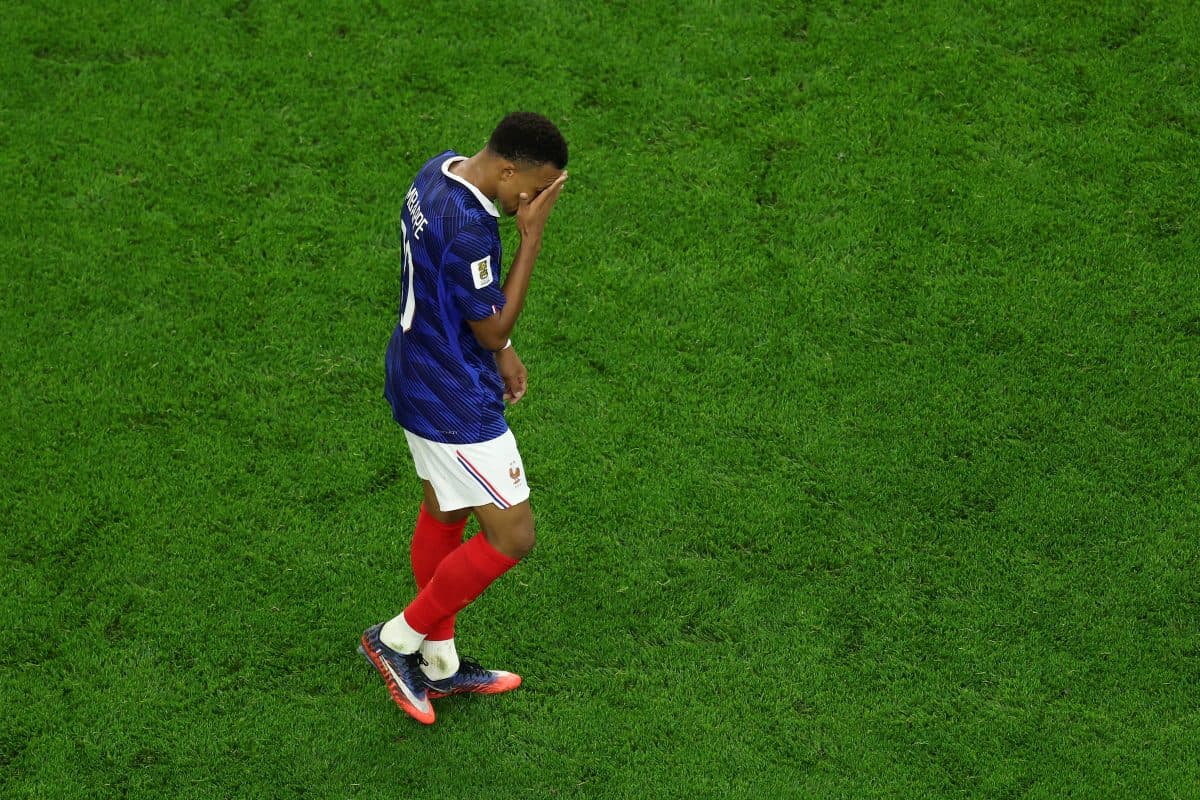
France offers a similar history of great forwards, from Jean-Pierre Papin to Kylian Mbappé, though with a brief gap in the 1990s. Their talent yielded two World Cup titles in 1998 and 2018. Spain’s strength lies in midfield maestros like Xavi, Iniesta, and Busquets, while Italy once boasted legendary center-backs but has struggled recently on the world stage.
Unlike those nations, England's rich history of elite strikers hasn’t translated into major tournament wins, raising questions about the management of this valuable asset.
The Hunt for Kane’s Successor
Kane’s move to Bayern Munich has bolstered his reputation; 95 goals in 93 Bundesliga appearances place him among their best-ever strikers. But his absence in the Premier League highlights a shortage of English forwards reaching similar heights.
Only three English strikers scored ten or more Premier League goals last season: Ollie Watkins (16), Dominic Calvert-Lewin (14), and Danny Welbeck (13). Their numbers are respectable but lack the dominance shown by past legends. Ivan Toney, prolific in Saudi Arabia with 31 goals in 30 matches, travels with the squad but faces stiff competition for the spotlight.
The next generation looks thin. England's under-21 squad featured just two strikers, Liam Delap and Jay Stansfield, with none in the recent European Championship team. Delap, highly rated, struggled in his first Chelsea season, managing only one Premier League goal.
The decline of the classic No. 9 dates back to the Premier League’s early years, influenced by globalization and clubs seeking talent worldwide. The rise of goal-scoring wingers, popularized by coaches like Pep Guardiola, shifted focus away from traditional strikers toward mobile attackers such as Marcus Rashford and Raheem Sterling.
Still, strikers like Erling Haaland, Viktor Gyökeres, and Alexander Isak signal a potential revival, as the league leans back toward speed and power upfront.
When Rooney neared retirement, it seemed like the end of an era, yet Kane emerged from relative obscurity to change England’s prospects again.
"We have to accept that eras end and football changes," Heskey reflects. "There won't be another Kane, Owen, Rooney, or Shearer. The game just paints a new picture."
This conversation with Emile Heskey was part of a campaign encouraging England fans to support local shopping during the Summer of Sport.