
England, Croatia, Ghana, Panama: Teams with Promise and Hope
England arrive at their 17th World Cup with a familiar weight on their shoulders and a very unfamiliar face in the dugout. Gareth Southgate moved the national side from serial disappointment to consistent contention; Thomas Tuchel has been hired to turn contention into a trophy.
This is not a broken project. It is a handover. Tuchel, a Champions League winner, walks into a squad that has grown used to late-tournament pressure and long summers. The question is no longer whether England can compete. It is whether they can finally step beyond their own caution.
The spine looks as balanced as any in the tournament. Declan Rice embodies that blend: destructive without the ball, composed with it, and endlessly willing to cover ground. Around him, England have options in every line, players comfortable in possession and drilled in modern pressing.
The risk sits in their mentality. Under Southgate, England sometimes shrank when the stakes rose, retreating into safety-first football. Tuchel’s task is to keep the structure while stripping away the fear.
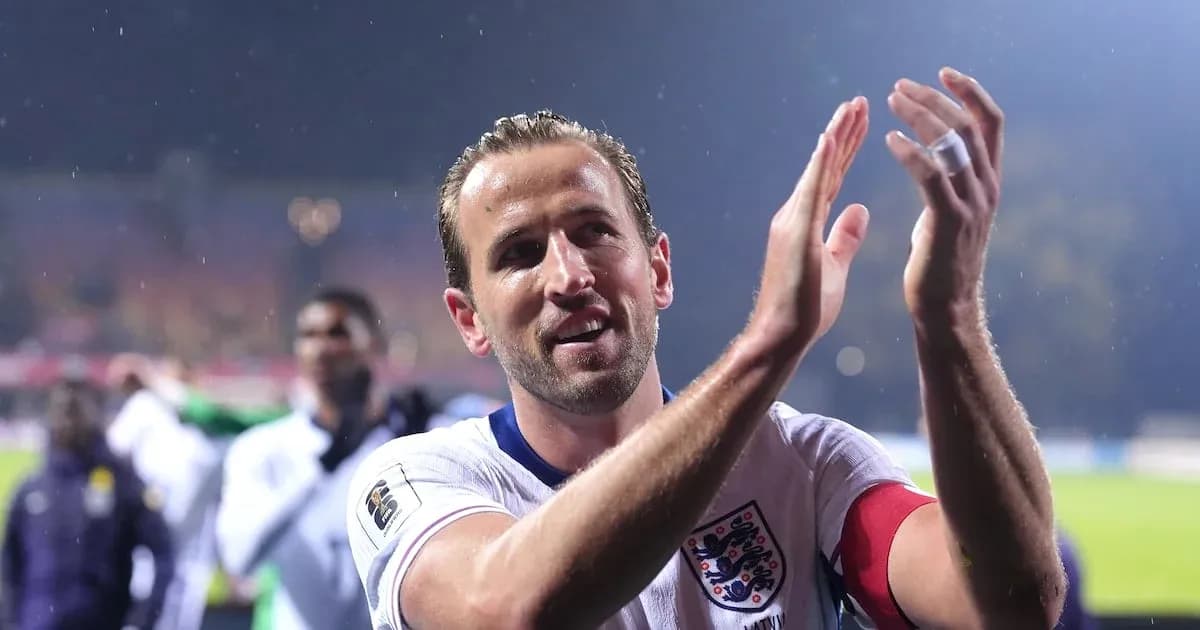
At the top of it all stands Harry Kane. Bayern Munich’s No 9 is England’s record scorer and, on current form, has a strong claim to being the most complete centre-forward in the game. Eight World Cup goals already tell their own story. He drops deep, he links, he finishes. If England are to chase a second star to sit alongside 1966, Kane will almost certainly be at the heart of it.
Croatia: One more dance for Dalić and Modric
Croatia’s World Cup story over the past decade reads like a footballing fairy tale written on repeat. Finalists in 2018, semi-finalists four years later, they have punched far above their weight and stayed there.
Zlatko Dalić remains on the touchline, Luka Modric still pulls the strings. They go again, aware that this might be the last great run for a golden core that has already defied logic and age.
This time, the odds feel steeper. Several key figures are past their physical peak, and the field around them looks younger, quicker, deeper. Yet Croatia do not chase chaos. Their slow, possession-heavy rhythm suits tournament football, and in the heat their ability to control tempo could become a weapon rather than a weakness.
If Modric is the conductor, Joško Gvardiol is the wall behind him. Outstanding at the last World Cup and now a central figure at Manchester City, the defender brings aggression, anticipation and calm distribution. His recent return from a broken shin adds a layer of jeopardy, but if he finds full sharpness in time, Croatia’s back line will again be built around him.
Write them off, and history suggests you do so at your peril.
Ghana: Talent, tension and a search for shape
Ghana arrive at their fifth World Cup with memories of 2010 still lingering: a quarter-final, a missed penalty, and a sense of what might have been. Since then, the story has rarely matched the talent on the teamsheet.
The current squad is no different. Quality is scattered across the pitch, yet the performances have too often fallen flat. Five straight friendly defeats laid bare their fragility before a draw with Wales finally halted the slide, if not the questions.
To bring order, the federation turned to Carlos Queiroz. The veteran coach is synonymous with structure and defensive discipline, a man more likely to build a blockade than a circus. His appointment signals a clear intention: tighten up first, worry about the rest later.
That plan faces an immediate problem. Mohammed Kudus, the side’s most inventive attacker, is out injured. Without him, Ghana lose a crucial source of unpredictability between the lines. The fear is that Queiroz’s caution, minus Kudus’s flair, could leave them blunt.
Responsibility, then, leans heavily on Antoine Semenyo. The Manchester City forward just delivered a 17-goal Premier League season and scored the winner in the FA Cup final. Domestically, he looks ruthless. Internationally, the numbers tell another story: three goals in 34 appearances for Ghana. If he can finally translate club form into national colours, the narrative of this team could change fast.
Panama: Scarred by England, chasing a first point
Panama return to the World Cup for only the second time, still carrying the memory of a brutal introduction. In 2018, England tore them apart 6-1, Kane scoring twice and the gulf in class laid bare.
That kind of defeat leaves a mark. It also leaves a reference point. Panama know exactly how far they need to climb.
Results since then have not been disastrous. A steady run has helped push them up to a surprisingly high Fifa ranking of 33, a number that hints at organisation and resilience rather than glamour. Then came a 6-2 friendly defeat to Brazil, a reminder that the step from solid regional side to genuine World Cup competitor remains a big one.
Thomas Christiansen’s job is to make them hard to roll over, to ensure that when the whistle blows this time, Panama are not just grateful to be there. Expectations remain modest. A first World Cup point would be a milestone, a tangible sign that the 2018 hammering was a beginning, not a warning.
In a group of giants, near-misses and fading legends, that single point might feel as valuable as a trophy.





