
Egypt and Iran Battle in World Cup Classic as Belgium Seizes Control
The boos for the hydration break told their own story. Nobody inside this stadium wanted a pause. Not with Egypt and Iran tearing into each other like this.
Fifteen minutes in, and the game already felt like it had lived an hour.
Egypt v Iran: Noise, Nerves and a Ruthless Finish
Egypt struck first, and the shock to Iran’s system was brutal. A goal conceded, a penalty missed, momentum slipping. Many sides would have wilted.
Iran did the opposite.
They snapped back into shape, pressed higher, and within those same frantic opening 15 minutes, they were level. The pressure from both sides had been almost perfectly balanced, attack answering attack, line by line, tackle by tackle. The Iranian end roared at every interception, every block, every time an Egyptian move broke on that red wall around the box.
The equaliser came from the man who has turned this World Cup into his personal stage.
Ramin Rezaeian, already with two goals against New Zealand in the group, arrived at the far post after Mostafa Shobeir had produced a superb low save to his left. The ball seemed to be running out of angle, the chance narrowing with every heartbeat. Rezaeian didn’t care. He somehow lashed a rising shot into the net from an absurdly tight angle, the kind of finish that rips the air out of a defence and detonates a fanbase.
Three goals now for Rezaeian at this tournament. Iran’s leading scorer. Their sharpest edge.
The Iranian crowd responded in kind. They didn’t just swell during attacks; they howled with every Egyptian misstep, every blocked shot, every clearance that denied Egypt a clean sight of goal. It created a fierce, rolling soundtrack to a contest that already feels like it could become one of this World Cup’s great non-traditional classics: no European or South American giant in sight, just two proud football nations from Africa and Asia refusing to take a backward step.
Rezaeian almost added another. When Iran won the ball back and swept it across from the left, it broke to him on the edge of the area. This time, he leaned back and sliced his first-time effort with his left, sending it well off target. A rare miscue in a half where everything else he touched carried menace.
Game on. Fully.
New Zealand v Belgium: A Harsh Lesson at the Back
On the other pitch, Belgium’s intent felt different from the opening whistle. Sharper. Hungrier. Dion Dublin had seen their first two games and sensed it immediately: more running, more control, more willingness to dominate.
Kevin De Bruyne drifted wherever he pleased, knitting moves together, while Jeremy Doku roamed from flank to flank, stretching New Zealand in both directions. Behind them, the rest of Belgium sat in a disciplined block, the structure allowing their creators to roam free and probe for gaps.
New Zealand clung on. They even survived a Video Assistant Referee scare when a penalty award was overturned. Finn Surman’s arm stayed by his side, the ball heading for his ribcage rather than an outstretched hand. The spot-kick vanished, and with it Belgium’s chance, reduced to nothing more than a drop-ball to the keeper. The Belgians were furious; New Zealand’s goal, as Dublin put it, lived a charmed life.
That luck could only stretch so far.
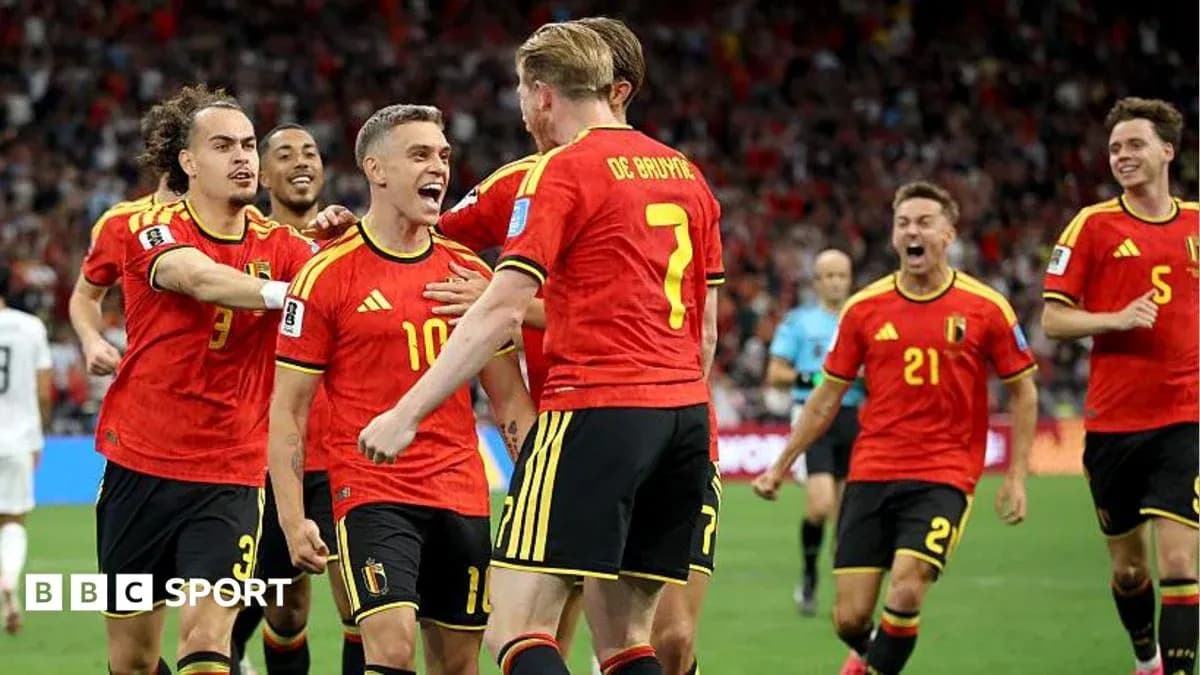
The breakthrough came from a moment every defender dreads seeing again. A corner swung deep to the back post, and Tim Payne made the one mistake you simply cannot make at this level: he turned his back on the ball. It bounced off him and fell perfectly for Leandro Trossard, who reacted like all good forwards do. One thumping finish into the roof of the net from close range, and Belgium finally had the goal their pressure deserved.
New Zealand will not want to watch that back. Dublin’s verdict was blunt: this was a basic defensive error, the kind that ends up on coaching videos titled “What not to do from corners.” Eyes on the ball, eyes on the man, clear your lines. Payne did none of that, and Belgium punished him.
The key detail? The hydration break didn’t cool Belgium’s momentum. If anything, it seemed to harden their focus. They came back out, pushed again, and the goal arrived. There was a different intensity about them, just as Dublin had spotted. A sense that this time, they intended to stay on the front foot and stay there.
So as Egypt and Iran traded punches in one stadium, Belgium quietly tightened their grip in another. Different games, different rhythms, but the same question hangs over all three teams involved:
Who can sustain this level when the stakes rise again?





