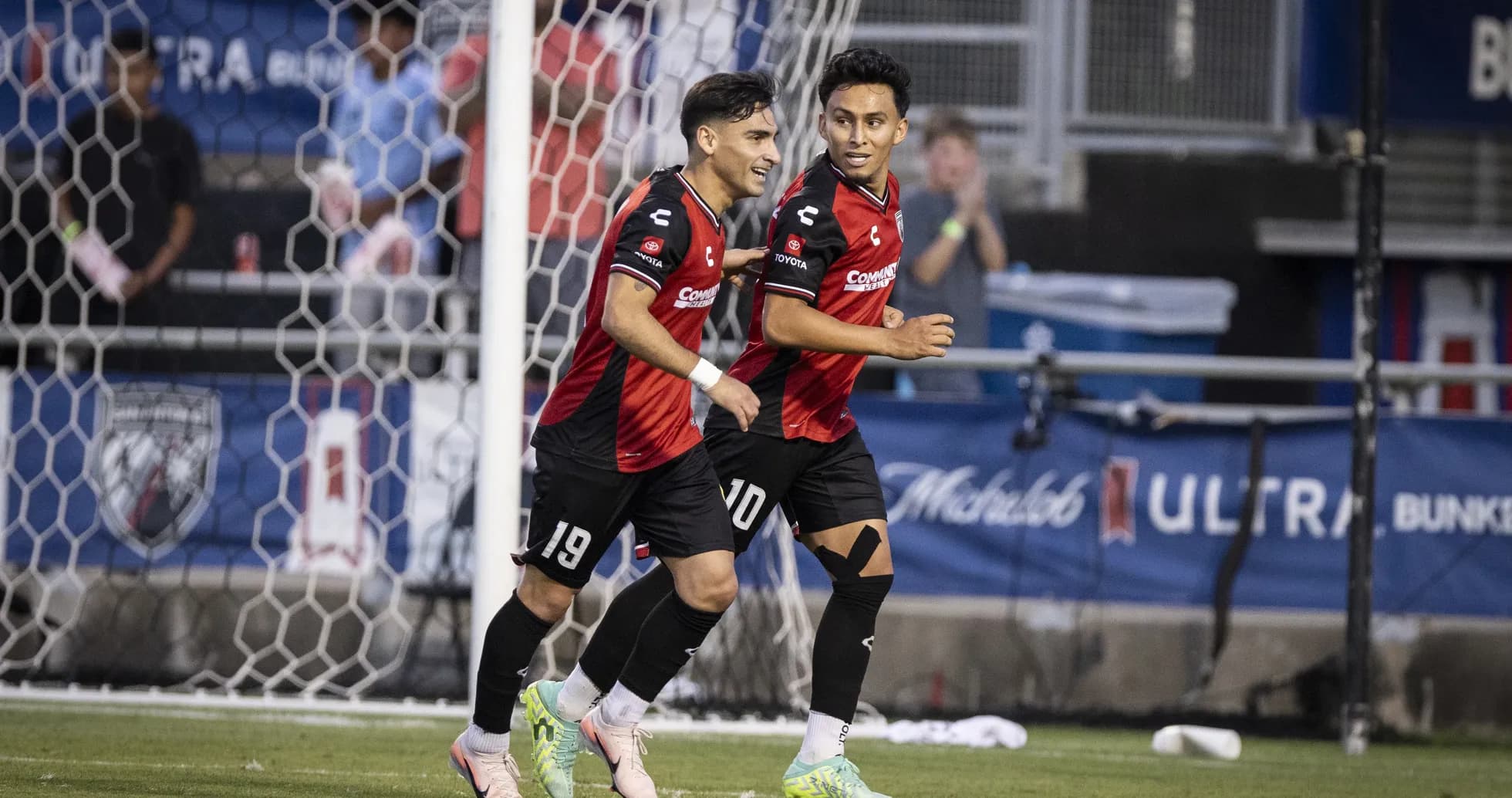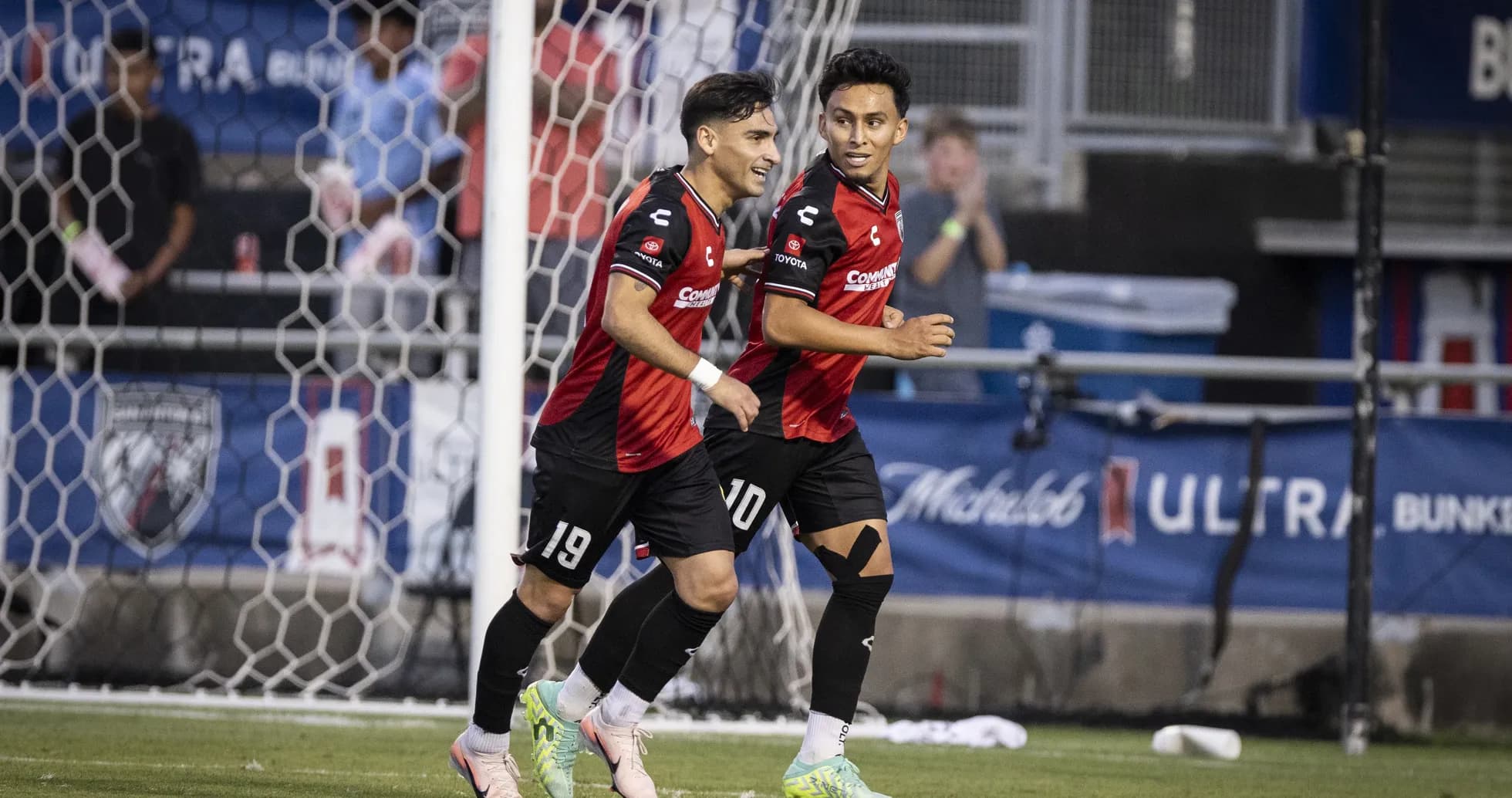
Detroit City vs El Paso Locomotive: Tactical Insights from a 1–1 Draw
On a humid night at Keyworth Stadium, Detroit City and El Paso Locomotive played out a 1–1 draw that felt less like a routine group-stage contest and more like an early play-off rehearsal. The USL Championship’s Group Stage has thrown these two into the same corridor toward the 1/8-finals, and following this result they leave with their identities sharply underlined: Detroit as a ruthless home accumulator, El Paso as a dangerous but volatile traveler.
Detroit arrived as the division’s home specialists. Heading into this game they were 4th in USL 1 with 18 points, their goal difference a precise +2 from 13 goals for and 11 against overall. The split is stark: at home they had played 6, winning 5 and drawing 1, scoring 10 and conceding only 3. That is an attacking average of 1.7 goals at home and a defensive record of just 0.5 conceded. Away, the same side is almost unrecognizable, winless with only 3 goals scored in 6 matches. Keyworth, then, is their fortress and their crutch.
El Paso came in as the chaos merchants of the group. They sat 6th with 15 points, their overall goal difference a knife-edge +1, built from 22 goals scored and 21 conceded. The contrast between home and away is dramatic: at home they had leaked 15 goals in 5 games (an average of 3.0 conceded), but on their travels they had been compact and efficient, winning 3 of 6, scoring 13 and conceding only 6. That is an away attacking average of 2.2 and a defensive average of 1.0 – numbers that belong to a contender, not a mid-table drifter.
Against that backdrop, the lineups told a story of intent and structure rather than improvisation. For Detroit, C. Herrera in goal anchored a back line built around D. Amoo-Mensah, C. Montgomery and A. Stanley, with H. Yamazaki and K. Hernandez-Foster likely asked to stretch the pitch from wider zones. In front of them, the likes of P. Etaka, C. Rutz and A. Diop formed the connective tissue, linking to a forward line where A. Diouf and B. Morris were tasked with turning Keyworth’s energy into end product.
El Paso mirrored that balance with their own spine. S. Mora-Mora stood in goal behind a defensive unit of K. Hoban, N. Cardona, K. Twumasi and Tony Alfaro. In midfield, Gabriel Torres, R. Avila, A. Mendez and E. Calvillo formed a technical core, with A. Moreno and R. Rubin providing the cutting edge. This is a side that, heading into this game, had scored in every league outing; “failed to score” stood at 0 in both home and away columns. Their issue was never chance creation, but game management.
Tactically, the absences sheet being empty meant both coaches could lean fully into their preferred identities. Danny Dichio could double down on Detroit’s home template: controlled aggression, territorial dominance, and a willingness to squeeze the middle third. The season card data underlines that approach. Detroit’s yellow cards cluster heavily between 61–75 minutes (31.58%), with a secondary spike between 46–60 (21.05%). This is a team that ramps up intensity after the break, often walking the disciplinary tightrope as they chase or protect a result.
El Paso’s disciplinary profile is even more volatile. Their yellow cards are spread across 31–45 (23.33%), 46–60 (23.33%), 61–75 (26.67%) and 76–90 (20.00%), painting a picture of a side that lives at high emotional temperature for almost the entire match. More telling are the reds: they have seen dismissals in four separate windows (0–15, 16–30, 46–60, 61–75), with 40.00% of their red cards arriving between 16–30 minutes. For a team that wants to be aggressive and front-footed, this is the risk baked into their model.
The “Hunter vs Shield” matchup here was conceptual rather than individual, as no top-scorer data is available. On one side, Detroit’s home attack, averaging 1.7 goals at Keyworth, is built on collective surges rather than a single talisman. On the other, El Paso’s away defense, conceding only 6 in 6, has been the quiet platform for their best work. The 1–1 final score felt like the statistical midpoint between Detroit’s usual home dominance and El Paso’s resilient away identity.
In the “Engine Room”, Detroit’s blend of Etaka, Rutz and A. Diop sought to disrupt and recycle against El Paso’s technically gifted trio of Calvillo, Mendez and Avila. With no clear playmaker or enforcer singled out by the numbers, the battle was about collective structures: Detroit trying to hem El Paso in, El Paso trying to punch vertically into Moreno and Rubin before Detroit’s press could set.
From an xG and defensive-solidity standpoint, the draw aligns with the season arc. Detroit’s overall goals-for average of 1.1 and goals-against of 0.9 suggest tight margins; El Paso’s 2.0 goals-for and 1.9 against overall point to open, high-variance contests. Meeting in the middle, a 1–1 feels like a low-scoring version of El Paso’s chaos moderated by Detroit’s home control.
Following this result, both sides will take away confirmation rather than revelation. Detroit remain almost immovable at Keyworth, extending a home record that already boasted 5 wins and 1 draw from 6. El Paso, meanwhile, reinforce their status as one of the league’s most dangerous visitors, adding another positive away result to a column that already read 3 wins and 2 draws from 6.
If this is a preview of a potential 1/8-final clash, the tactical notes are clear. Detroit must keep harnessing their late-game intensity without tipping into self-sabotage, especially given their yellow-card surge after the interval. El Paso must find a way to keep their aggression on the right side of the disciplinary line; their red-card pattern is a built-in threat to any knockout run. On this evidence, a future meeting between these two would be less about who dominates the ball, and more about who better manages the emotional and tactical margins that define knockout football.